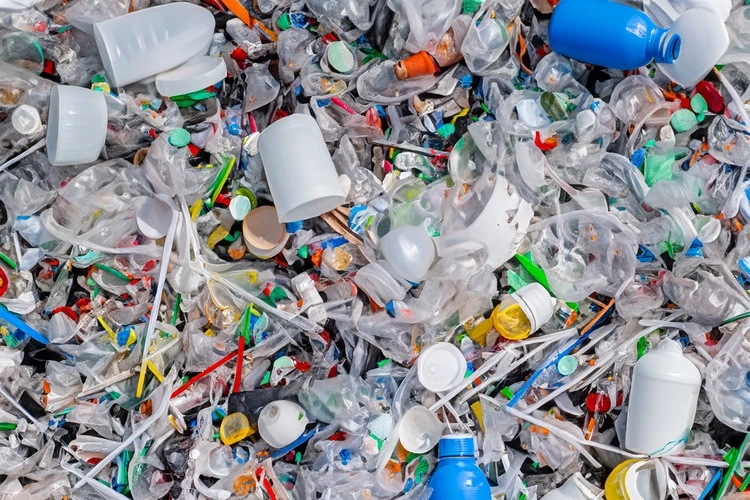
The Plastic Detox documentary launches globally on Netflix, highlighting the impact on fertility and the ways we can protect ourselves
By
Campaigners and scientists have warned that chemicals included in plastic are creating a new public health crisis that policymakers are failing to address.
To highlight this issue, A Plastic Planet – a new documentary – has been released on Netflix. The documentary states that the impact of plastic on the human body has often been overlooked by legislation, with plastic pollution mitigation often focusing on waste and ocean pollution instead.
Researchers have identified more than 16,000 chemicals used in plastics, including in excess of 4,000 known hazardous substances, while many thousands more remain poorly studied, and only a small fraction are currently regulated.
Enjoying this article? Check out our related reads…
This comes as a growing body of evidence has found many of the chemicals in plastic, including phthalates, PFAs (‘forever chemicals’) and bisphenols, are known as endocrine-disrupting chemicals, which can interfere with the body’s hormone system.
Hormones act as the body’s internal messaging system, controlling processes including growth, metabolism, sexual development and reproduction. Scientists say that when synthetic chemicals disrupt these signals, the consequences can include effects on fertility, pregnancy, neurological development, and long-term health.
A growing body of research is examining how everyday exposures, from food packaging and plastic containers to coatings and synthetic materials, may contribute to declining sperm counts and other reproductive changes.
Studies also show that infants and pregnant women can be exposed to plastic-derived chemicals, including phthalates and bisphenols, through everyday products such as baby bottles or mattresses, with potential results being hormone disruption and neurodevelopmental harm.
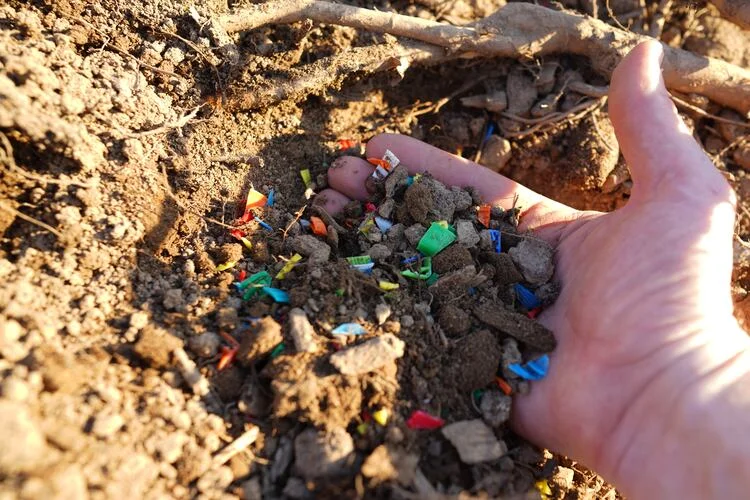
Alongside these chemical exposures, microplastics have been detected in human placenta, breast milk and infant stools, raising further questions about how plastic exposure may affect early development.
Whilst global regulation on toxic chemicals has slowly risen in recent years, A Plastic Planet says the growing body of evidence should prompt governments and regulators to accelerate comprehensive measures such as mandatory product testing and bans on known toxic substances to protect human health.
‘As clinicians and scientists, we are trained to follow the evidence – and the evidence on plastic chemicals is becoming impossible to ignore,’ said Leo Trasande, Professor of Paediatrics, Department of Paediatrics at NYU Grossman School of Medicine.
‘These exposures do not happen at a single moment in time; they begin before birth and continue throughout our lives, creating what we increasingly understand as a womb-to-tomb chemical burden,’ Trasande continued.