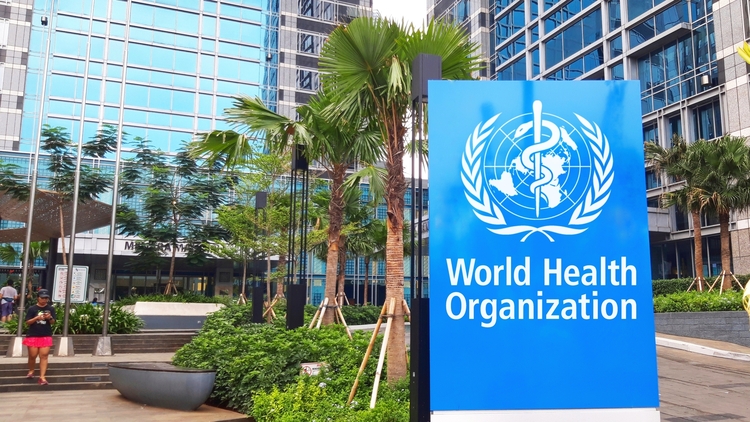
From issues with future flu vaccine roll-outs to a loss of soft power, discover how the US’s withdrawal from the WHO will impact the nation
By
In January, the US officially left the World Health Organisation (WHO), following Trump’s executive order in 2025 to remove the nation from the UN agency.
The decision to leave was due to the Trump administration’s belief that it was unfair that the US contributed more than other nations. The White House’s official announcement uses the example of China, which – despite having a population three times the size of the US – contributes around 90 per cent less than the US does to the WHO.
As well as this, the Trump administration has claimed that the WHO’s response to the COVID-19 pandemic was ‘botched’ and lacked both accountability and transparency.
Enjoying this article? Check out our related reads…
It has been widely reported that the US’s withdrawal will threaten disease surveillance and reverse progress made in combating diseases like HIV, AIDS, TB and malaria.
But what exactly does leaving the WHO mean for the US itself? And what gaps will be left in its public health governance?
Limited planning and manufacturing of flu vaccines
By withdrawing from the WHO, the US will be exempt from the organisation’s Global Influenza Surveillance and Response System, which has been in operation since 1952. Such a move will compromise the US’s ability to plan and manufacture vaccines to match predicted flu strains for each coming year.
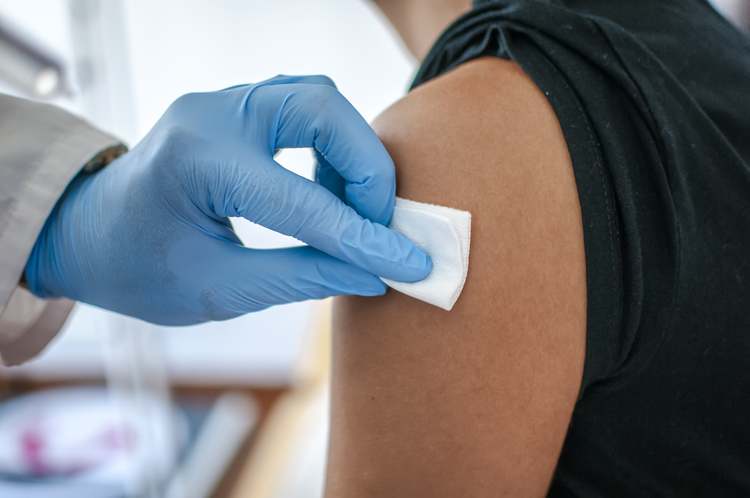
American experts will no longer have a role in the process of data analysis in developing these new vaccines, which could lead to problematic differences between WHO recommendations and those coming from US authorities.
Reducing the country’s ability to prepare in advance through flu vaccinations with likely mean more hospitalisations and more deaths because of flu.
Loss of soft power and influence
Some experts think that China will use the opportunity of a US exit to strengthen its position and global influence, stepping into the power vacuum the US creates by withdrawing.
China has already pledged an additional US $500million in support of the WHO across the next five years, positioning itself as the WHO’s new biggest funder and most powerful member.
Such a shift could veer global health priorities in China’s favourable direction – for example from promoting reliance on its pharmaceutical industry to giving it greater access to global health data. Combined with the US’s cutbacks to USAID, it also creates an opening for China to increase its soft power through ‘vaccine diplomacy’ and other initiatives in countries with unmet health needs.
Consequences for pandemic preparedness
By leaving the WHO, the US will weaken its access to several types of preparedness that cannot be replicated quickly or cheaply.
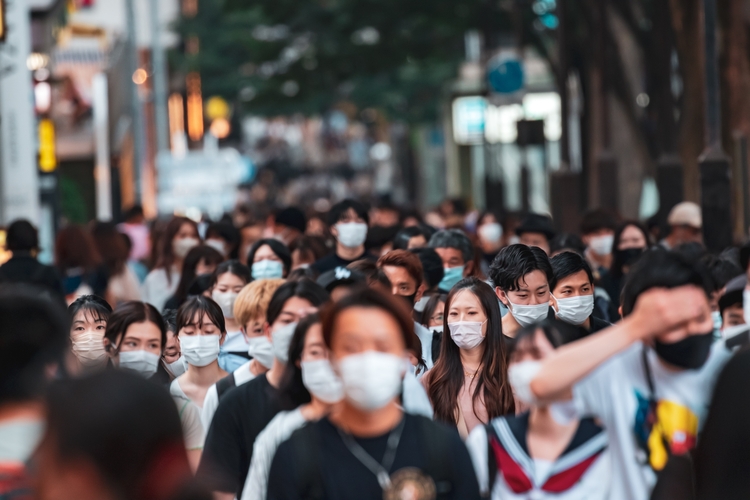
One of the most immediate impacts is the loss of structured early warning systems. The WHO acts a global body for outbreak signals, pooling reports from labs, hospitals and health ministries worldwide. While the US can still gather intelligence independently, it loses the benefit of WHO’s formal alert mechanisms and rapid international processes – increasing the risk that emerging threats are identified too late.
Without the WHO, the US will likely suffer from a lack of coordinated response planning. WHO-run simulations, joint exercises and pandemic playbooks are designed to align national responses so countries act together rather than at cross purposes. Without a seat at the table, the US risks planning in isolation, making it harder to synchronise border controls, testing strategies and vaccine roll-outs in the event of a pandemic.