
From Japan to the US, discover how students around the world are dealing with debt – or a lack of – after university studies
By
Around the world, there are approximately 264 million students enrolled in higher education.
If these students comprised a country, it would be the fifth most populous in the world. 53 per cent of its citizens would identify as women, with most located in Asia. Residents would speak and study in hundreds of languages, but English would dominate.
But when these students finish with their education, millions are often left with financial burdens from loans handed out during university. Others, like those in Nordic countries or Germany, have substantially less debt than their American or British counterparts.
Read on to find out more about how university education is funded around the world, and how students are repaying back their loans…
Enjoying this article? Check out our related reads…
United Kingdom

Graduate student debt varies significantly depending on which part of the United Kingdom a student has studied in. In England, average graduate debt sits at around £53,000 – but in Scotland, that figure is much lower (£17,000). In Northern Ireland, the average debt is £28,000, and £39,470 in Wales.
In the UK, loans given out throughout university are dependent on income and are eventually repaid through the tax system following graduation.
Repayment plans depend on when and where a student studied, with each plan having its own threshold. The most recent plan – covering individuals who started university between 2012 and mid-2023 – stipulates graduates must start to repay when annual income is above £28,470 before tax. Graduates pay nine per cent of what they earn above the threshold.
Government estimates suggest just one in three borrowers on the most recent repayment plans will ever repay their loans in full. This is because overall balances tend to increase as interest rates rise.
Any remaining loan balance is written off after a set period, from anywehre between 30 to 40 years depending on the repayment plan.
United States

Around 43 million Americans hold federal student loan debt, with total student loan debt exceeding $1.7trillion. Estimates suggest the average debt per graduate is around $38,883.
The default repayment plan for loans is monthly, fixed payments that allow the graduate to pay off a full loan within 10 years. However, many utilise income-driven repayment plans instead, which base payments on earnings and household size.
So popular are income-driven repayment plans that there is currently a backlog of more than two million applications from those wishing to switch from the default repayment plan.
In the US, student debt is geographically uneven across states. States with larger economies and urban areas tend to have higher student loan debt, such as California, Texas, New York, and Florida.
Germany

Most public universities in Germany do not charge tuition fees for students, including many international students. Only 2.2 per cent of students receive money from a student loan or education fund, with many students financing their studies through parental support or part-time work.
In the nation, higher education is funded largely through tax revenue, which keeps the cost of studying dramatically lower than in many other countries.
Students typically only pay a small semester contribution – around €100 – €400 per semester – to cover administration and student services. This means that compared to countries such as the UK or the US, tuition-related debt is scarce among students in Germany.
However, there are private universities in Germany that charge tuition, which can range from several thousand to tens of thousands of Euros per year, depending on the institution and programme.
Nordic countries

In Denmark, Sweden, Norway and Finland, higher education at public universities is free or largely tuition-free for students from the EU/EEA. These tuition-free systems are combined with living-support systems, including grants and loans.
For example, in Norway, the Norweign State Educational Loan Fund provides students with loans and grants for living costs. Part of the loan can be converted into a grant if students pass their exams, and no interest is charged while studying.
In particular, Denmark’s system goes a step further with monthly grants that help students cover living expenses. Government grants can be around $800 per month, meaning very few Danish graduates accrue significant student debt by the culmination of their studies.
Australia

The average student debt in Australia is around $27,640 AUD. Across the country, total outstanding student debt is approximately $81billion AUD across about 2.9 million borrowers.
On average, it takes Australian graduates around eight to 10 years to repay their student loan in full. The government does have a plan in place – the Higher Education Loan Program (HELP) – which allows students to defer their tuition payments until they earn enough to repay.
Repayments, like the UK, only occur once a graduate’s income passes a particular threshold via the tax system. Recent changes means the minimum income earned before compulsory repayment increased from around $54,435 to $67,000 for the 2025–26 income year.
In 2025, the Australian government passed a reform to cut HELP and other student loan debts by around 20 per cent, wiping roughly $16billion AUD from the books for around three million borrowers. For someone with an average debt of around $27,600, this means a reduction of around $5,520.
Japan
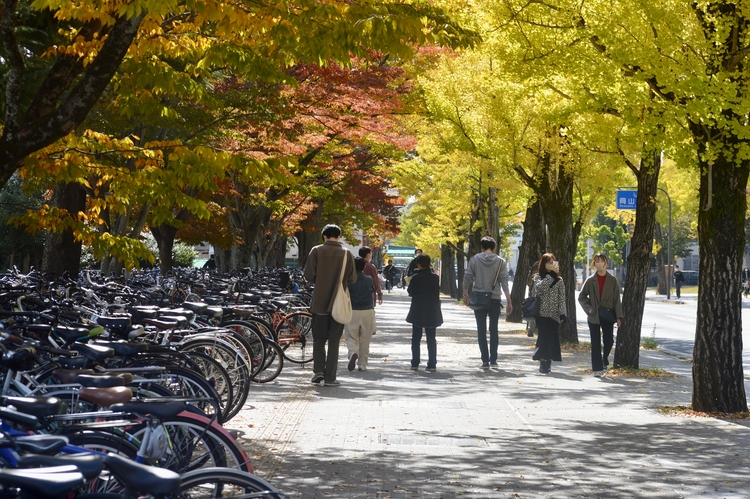
In Japan, approximately one in two university students use student loans to finance their studies. Taking on debt is common among Japanese students, even if tuition fees in the nation are lower compared to some Western systems.
The most common loan amounts range from approximately £5,000 to £10,000+, with surveys of borrowers showing that many loans are repaid across long terms of between nine and 10 years.
Government and academic research notes that the number of student loan borrowers has increased rapidly since the 1990s, as tuition and living costs have risen faster than incomes.
There are policy debates in Japan about modernising student loan systems, with suggestions to consider income-contingent repayment plans similar to those in Australia or the UK, which would tie repayments tograduates’ ability to pay.