
New research shows how biodiversity has not yet recovered on Chilean seamounts despite more than two decades since bottom trawling occurred
By
Bottom trawling carried out on Chilean seamounts more than 25 years ago has left lasting ecological damage visible even today, a new study has found.
Published in Deep-Sea Research, the research is the first scientific evidence from Chile of the long-term ecological toll of bottom trawling on deep-sea ecosystems.
Enjoying this article? Check out our related reads…
The research team – comprised of scientists from Oceana, the Centre for the Ecology and Sustainable Management of Oceanic Islands, the Centre for Advanced Studies in Arid Zones and several other national and international institutions – surveyed four seamounts using a remotely-operated vehicle during a 2024 expedition.
Researchers compared three seamounts that had a history of bottom trawling to a fourth, ecologically similar seamount – known as Solito – where no evidence of bottom trawling had ever been recorded.
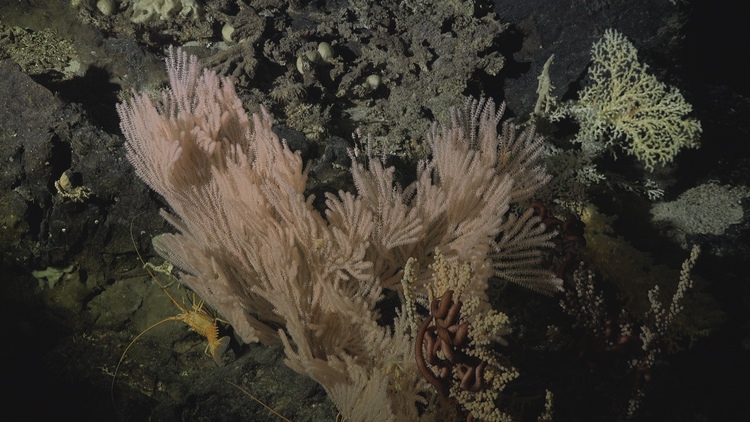
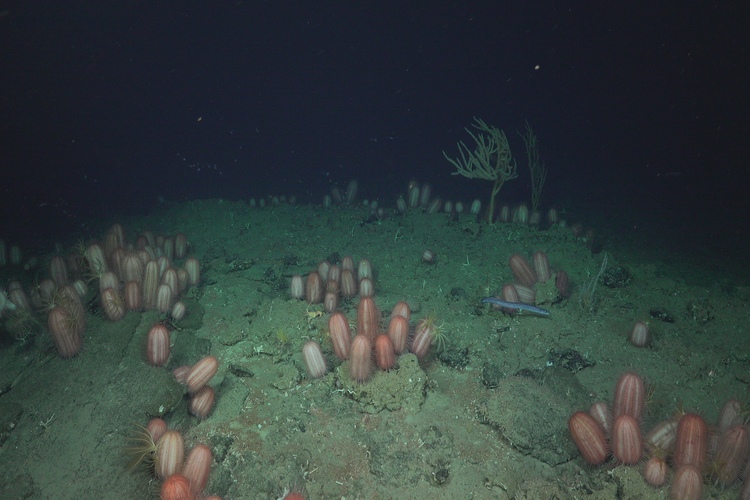
Scientists found a remarkable difference between the seamounts. Solito had thriving deep-sea coral gardens, sponges and a rich diversity of invertebrates. In contrast, the previously-trawled seamounts showed lower live coral cover, reduced biodiversity and clear signs of seafloor disturbance – even though it was last trawled more than a quarter of a century ago.
‘This study demonstrates that the impacts of bottom trawling on deep-sea ecosystems can persist for decades,’ said lead author of the study Dr Ignacio Petit, ‘Although fishing ended more than 25 years ago, recovery remains extremely limited because many affected species, particularly deep-sea corals, grow very slowly and can live for hundreds, or even thousands, of years.’
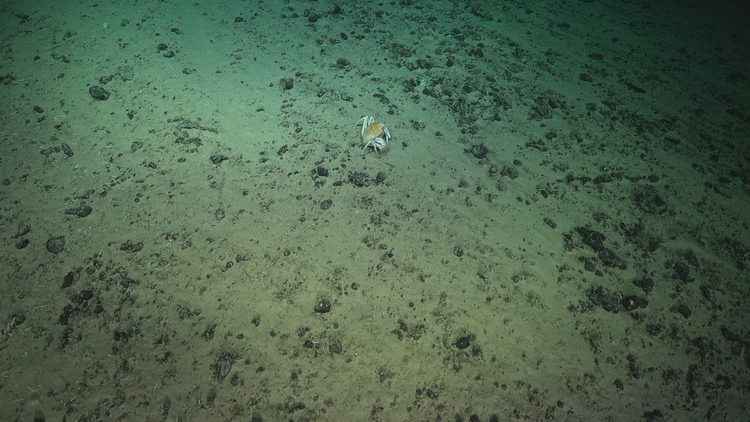
Deep-sea corals play a critical role in marine ecosystems, providing shelter, feeding grounds, and nursery habitats for fish and invertebrate species. However, bottom trawling can destroy corals in just a few hours.
The long-lasting impacts of bottom trawling
Bottom trawling is especially destructive around the world, as it involves dragging large, heavy nets across extensive areas of the seafloor to catch fish that live near the bottom of the ocean. The impacts can be far-reaching: from noise pollution that disrupts animals that rely on sound to hunt for food to coral reefs being destroyed, affecting the complex food webs of marine ecosystems.
Chile was one of the first countries to ban bottom trawling on seamounts, with national legislation passed in 2012 protecting 117 seamounts from ecological devastation.
Still, the practice continues in parts of the nation, particularly to target several species of hake and commercially valuable crustaceans.


