Whales may face increasing challenges in a rapidly warming ocean, from impacts on their metabolism, nutrition and reproductive success
By
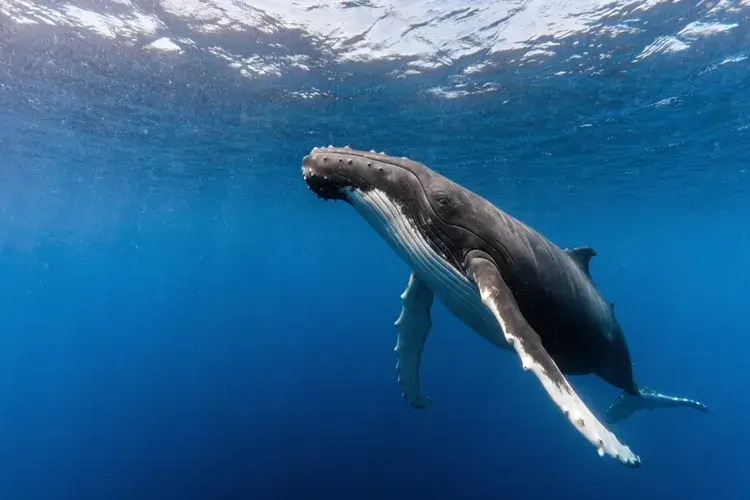
A study found that whales essentially ‘power down’ during marine heatwaves, slowing their metabolism and affecting nutrition and reproductive success.
Led by researchers at the University of Hawai’i at Mānoa, the study, published in iScience, examined how whales cope with the extreme environmental stress that comes with warming events. Previously, reports have documented whales experiencing ‘troubling symptoms’ during the 2014-2016 Pacific marine heatwave, from declining calf numbers to widespread signs of nutritional stress. But until now, the physiological mechanisms behind these changes remained unclear.
To better understand how whales respond to marine heatwaves, researchers analysed nearly eight years of biochemical records preserved in the baleen, whalebone, of stranded female humpbacks from Hawai’i.
‘Baleen is an extraordinary archive,’ said co‑author Kristi West. ‘It lets us reconstruct an animal’s nutritional and reproductive history with fine detail. By pairing these biochemical records with bioenergetic models, we can finally see how climate extremes ripple through a whale’s body.’
During heatwaves, analysis of whale baleen found that the cetaceans ‘powered down’ and slowed their metabolism to stretch limited food supplies. This lack of nutrition made pregnancy harder to maintain, and may have made it harder for whales to become pregnant in the first place.
The new findings come as the Pacific enters an El Niño event expected to be one of the strongest on record. As such, researchers stress the importance of understanding whales’ physiological responses to extreme environmental stress.
Around 1.3 million whales roam the world’s oceans today, far fewer than pre-commercial whaling levels of about four to five million.
In total, six out of the thirteen great whale species are endangered or vulnerable. Still, three countries worldwide – Iceland, Norway and Japan – permit commercial whaling. Iceland will submit a bill next year that could see commercial whaling banned in its waters, but until then, the practice continues.
Enjoying this article? Check out our related reads…
Recent studies have also highlighted other threats to whales – for example, underwater noise from deep seabed mining. Research has shown that continued exposure to such noise could change a whale’s behaviour, such as feeding less, having an altered intensity of calls and increased stress.
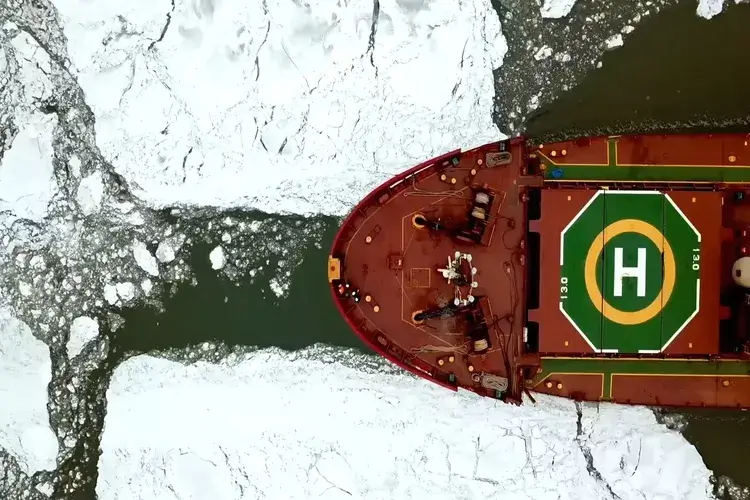
As Arctic seas become more navigable, whales also face potential impacts from increased tanker traffic and vessels that travel at twice the average speed of general cargo ships.