Victoria Heath sails from Brest to Reykjavík with scientists studying the Atlantic, then explores other voyages and volunteering trips that allow travellers to contribute to research and conservation
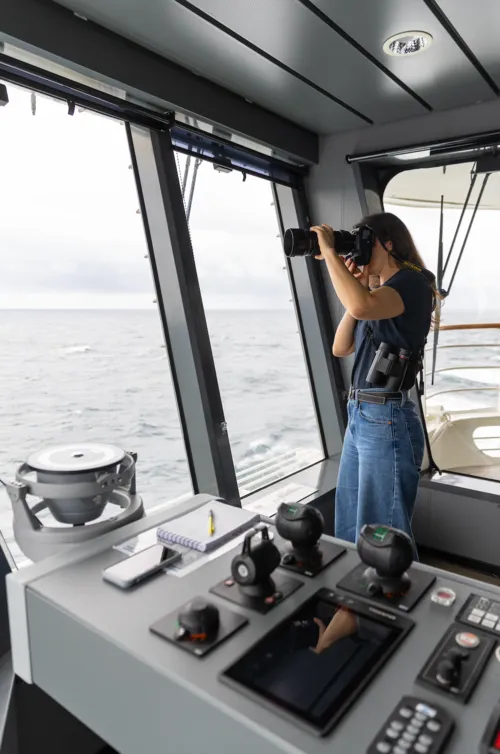
Above the vast waters of the Atlantic, the sky is a quietening grey. I’m aboard Le Commandant Charcot and you’d be forgiven for thinking that the sky is empty because, from our vantage point on the ship’s bridge, there’s little to see other than the spray shooting up as the ship passes through. Then PhD student Colombe Lefort – one of the scientists on board the vessel – spots a bird circling far from the ship.
Enjoying this article? Check out our related reads…
Lefort raises her camera to photograph it. Some birds are more easily identifiable by their positioning, she explains. Certain species frolic in the spray at the back of the boat, while others sail on the wind generated at the front. This one is kilometres away, a small pinprick of a gull in a dust-grey sky that Lefort’s keen eye is able to spot.
The methodology for this bird survey is surprisingly simple. Lefort produces a notebook and a pen and tells us that she records birds for ten-minute intervals every hour throughout the day. These data are then transferred to a computer before undergoing statistical analysis.
Of all the birds she has studied, Lefort has a favourite: giant petrels. These are found exclusively in the Southern Hemisphere, across Antarctica and the sub-Antarctic islands, thousands of kilometres from where we are now.
‘They’re like dinosaurs flying,’ she says.
Lefort gets out her phone, giddy with excitement, to show me a photograph. Giant petrels face threats from a range of factors, including bycatch and avian influenza. Since 2021, the virus has killed millions of birds and mammals. Until June this year, it had reached every continent except Australia, but it eventually infected and killed giant petrels there. These birds are pelagic – meaning they spend most of their lives at sea – but if they come ashore sick and die, other birds may feed on their carcasses and become infected themselves. It’s a concern for scientists, especially as cases of avian influenza continue to rise.
Clearly, such threats make seeing giant petrels even more special. ‘When you see a rare species, it’s like finding a Pokémon,’ Lefort tells me.
Lefort is just one of the scientists I meet during my five-day voyage from Brest in France to Iceland’s largest city, Reykjavík. On most voyages with Ponant, scientists travel alongside passengers, delivering lectures and workshops while conducting research in some of the world’s most inaccessible regions and helping us to understand the planet’s least understood ecosystem: the ocean.
The high seas – international waters that belong to no single country – make up half of the Earth’s surface, yet remain relatively understudied and unexplored. Many scientists are trying to change that, including François Galgani, project manager at IFREMER (the French Research Institute for Exploitation of the Sea).
When Le Commandant Charcot docks in Reykjavík, Galgani – who specialises in ecotoxicology, chemistry and marine litter – will remain on board for its onward journey to Greenland to conduct research into plastic waste. Each year, a staggering 11 million tonnes of plastic enter the ocean. Much of the plastic found in Greenland originates in distant regions and is transported by rivers and ocean currents.
Such pollution has catastrophic effects on wildlife: seabirds such as the northern fulmar have been found with plastic in their stomachs; whales face entanglement in discarded fishing gear; and microplastics can carry toxic chemical additives through food webs.
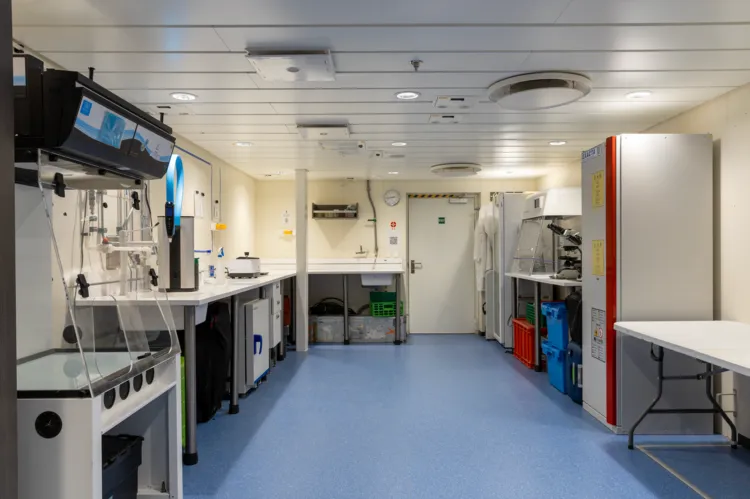
On board, Galgani will examine microplastics collected from Greenlandic beaches. In one of the ship’s two laboratories, he demonstrates how quickly plastic can be identified with a piece of high-tech equipment. There’s no forgetting that we’re on a ship, though: the whole laboratory gently tilts and rocks as we cross a particularly turbulent stretch of ocean. I quickly learn that I don’t have sea legs.
In a matter of seconds – amid the slight to and fro of the ship – the machine can identify not only the type of plastic used to make an egg box, but also its manufacturer. Fewer than 60 companies are responsible for half of the world’s branded plastic pollution, so tracing plastic back to its source helps to shift accountability towards the major corporations that produce it. Without this evidence, many might never be held responsible for the true scale of the pollution created by their products.
Crucially, Le Commandant Charcot is not the final destination for the samples; it’s just the beginning. In-depth analysis isn’t conducted on board. Instead, the ship’s main function is to hold and protect samples before they’re sent to laboratories on land.
Many are stored in a huge freezer on the ship. When one of the scientists opens it, great plumes of bitingly cold air pour out. We’re informed that its temperature is set to –79°C.
In addition to collecting physical samples, scientists are conducting other forms of monitoring throughout our journey to Reykjavík. Encounters with wildlife are particularly important to track, as ecologist Aymeric Houston explains during a lecture one afternoon – not least when it comes to spotting and avoiding whales.
Around the world, tens of thousands of whales are killed by vessel strikes annually, and collisions are a leading cause of death among large whale species. The loss of even a single whale can have severe, cascading impacts on food webs and marine habitats. Speed restrictions have been proposed as a potential solution, but the risk of killing a whale remains significant even at lower speeds.
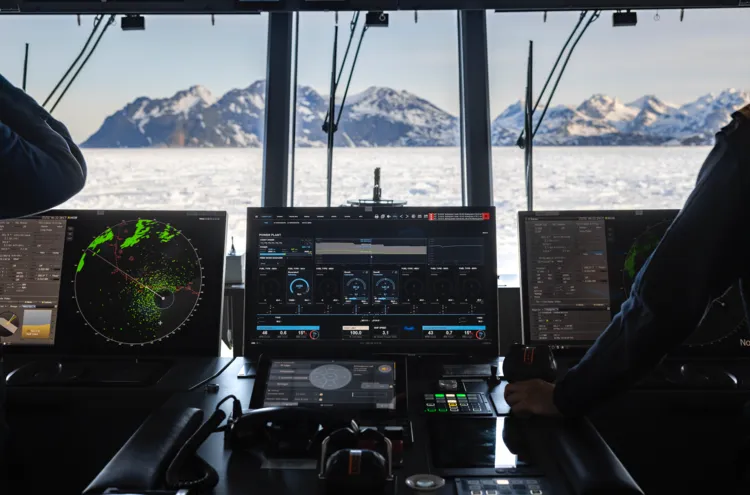
It’s a tragedy that can be prevented with WhaleSpotter, software linked to thermal imaging technology and other detection devices. Using these systems on board, Le Commandant Charcot can detect the air exhaled through whale blowholes at the surface from up to seven kilometres away, allowing the vessel time to adjust its speed and course to avoid a collision.
As we sail past the edge of the continental shelf off Ireland, that same technology becomes pivotal. An announcement comes over the tannoy from the captain: fin whales are approaching the ship. People flock onto the deck in the frigid wind, some wearing spa robes and others dressed only in T-shirts and trousers, having hurried out.
Some passengers spot the fin whales surfacing in the distance, calling out whenever one emerges from the waves. I’m not so lucky. Whenever I look one way, a whale appears on the other side, remaining ever elusive.
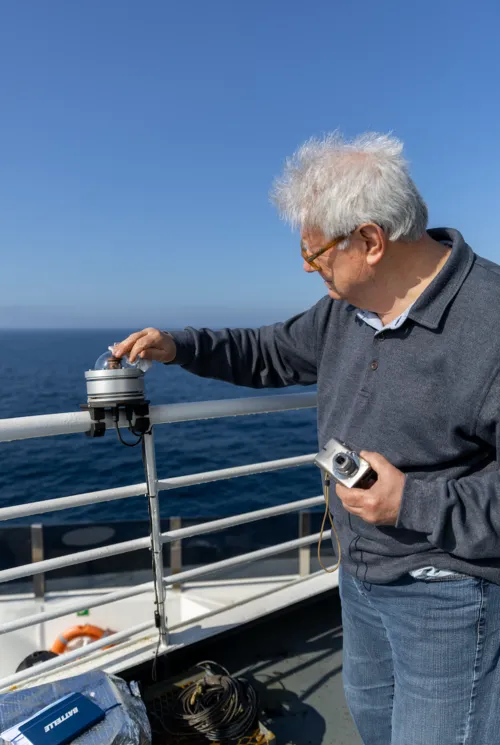
As we sail closer to our final destination, Reykjavík, I spot a device fixed high on the ship’s exterior. Monitored by Vito Vitale, a research director at Italy’s CNR Institute of Polar Sciences who is also on board, the device takes photographs of the clouds above.
Recent research has shown that the world’s cloud cover has shrunk slightly over the past two decades. Even this small change has allowed more sunlight to reach the Earth’s surface, contributing to global warming, so monitoring cloud cover is an important means of understanding the planet.
On the final night, the clouds give way to a remarkable orange sunset that burns against the waves. It has been slightly disconcerting, but also exhilarating, to spend five days at sea without seeing another vessel.
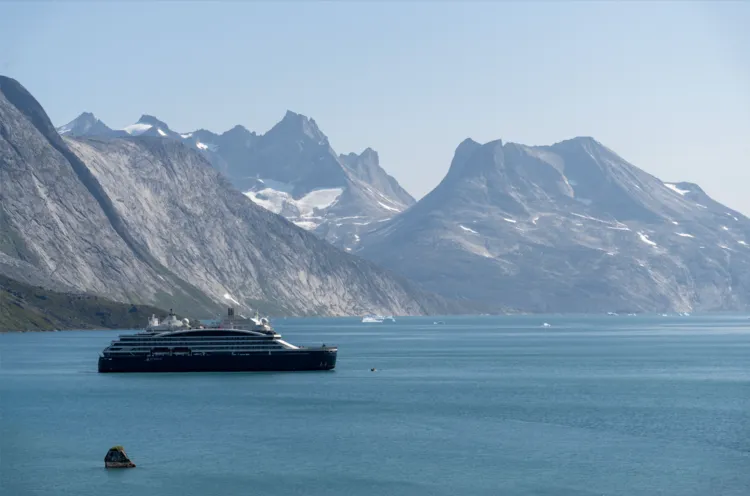
On the morning we arrive in Reykjavík, I open the curtains in my cabin to see a vast mountain range – the first land I’ve seen in almost a week. The water is completely still and the morning sky overhead is a brilliant blue.
But although we’ve only just arrived in Iceland, so much has happened on board before we’ve even stepped off the ship. Through all these scientific endeavours – whether whale-protection technology, cloud-monitoring tools or birdwatching – researchers are collating observations to build a clearer picture of our planet and its ecosystems.
At the same time, passengers benefit from their presence, attending lectures and workshops and engaging directly with the scientists behind the research. Cruises may once have been defined by the destinations they reached, with passengers spending days at sea simply waiting to arrive. Today, they can offer something else: an opportunity to take laboratories, sampling equipment and researchers to remote locations and to better understand some of the fastest-changing and least accessible environments on Earth.
Other science trips
Volunteer with wildlife in Greece
As one of the world’s richest biodiversity hotspots, the Mediterranean needs to be protected if its vibrant ecosystems and more than 17,000 plant and animal species are to continue to thrive. Volunteering can be a valuable way of protecting the Mediterranean and helping scientists secure the future of a region warming 20 per cent faster than the global average.
With Responsible Travel, you can join a small conservation team in Greece, staying at the Kalamos Island Biological Field Station amid a landscape of mountains, forests and crystal-clear beaches.
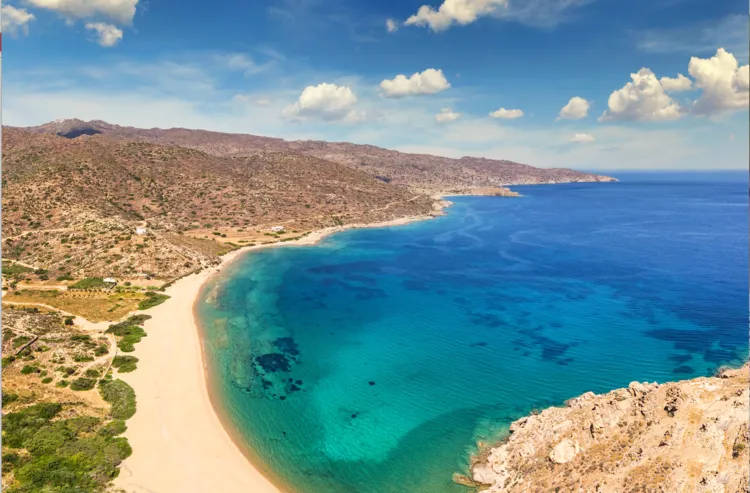
As part of your volunteering experience, you’ll take part in a range of citizen-science activities. No two days will be the same: you might monitor bird species one day, conduct transect surveys of seagrass the next and use camera traps to capture footage of mammals later in the week. The trip is available year-round, for periods ranging from 15 days to 36 weeks.
To find out more, visit: bit.ly/4waAOF4
Island-hop in the Galápagos
This 14-day trip begins in Ecuador’s capital, Quito. Starting in the Mindo Cloud Forest, you’ll visit a butterfly garden – home to more than 1,000 species – and an orchid park, where you can search for hummingbirds.
You’ll then fly to the Galápagos and visit a giant tortoise breeding centre, where more than 1,000 tortoises are housed at different stages of development. Giant tortoises and endemic rice rats were among the species that were historically most severely affected by hunters and whalers, who exploited them as a food source.
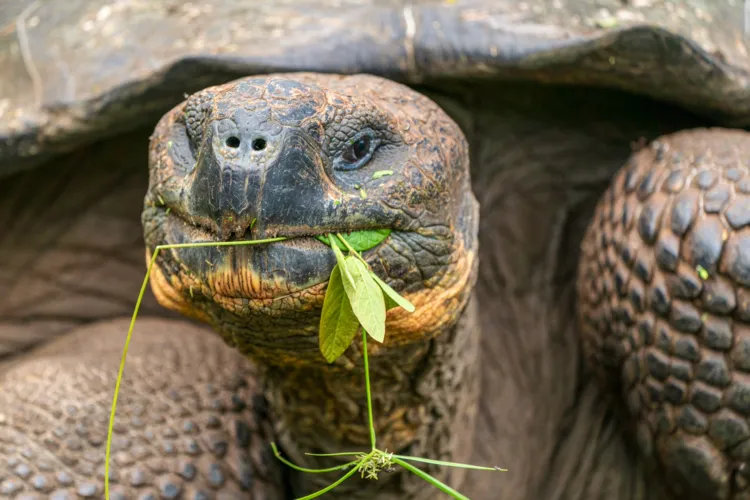
The breeding centre’s long-term goal is to restore the islands’ tortoise populations to their historical numbers. Lonesome George, one of the most famous Galápagos tortoises, is also on display at the centre.
You’ll also have the chance to visit the Charles Darwin Research Station, a facility dedicated to safeguarding the Galápagos’ unique environment. Afterwards, you’ll set sail for San Cristóbal Island and cruise along the coast, with opportunities to spot seabirds such as blue-footed boobies.
To find out more, visit: bit.ly/4pmlhEm
Marine wildlife in the Hebrides
A total of 24 species of whale, dolphin and porpoise have been recorded in Hebridean waters, along with the endangered basking shark.
On a trip aboard the research vessel Silurian with the Hebridean Whale and Dolphin Trust, you can join a liveaboard expedition whose crew members are working to conserve these invaluable marine species.
The trip is essentially a ‘working holiday’: you’ll be involved in every aspect of the expedition, from collecting visual and acoustic data to cooking and cleaning. You’ll also learn how to identify marine wildlife and be trained to collect scientific data.
The Silurian has space for just six volunteers and four crew members and has been used to film the BBC’s Blue Planet. Itineraries aren’t planned in advance, so expect the unexpected as you travel across as much of Scotland’s west coast as possible.
Autumn expeditions coincide with the NATO military exercise Joint Warrior, which involves thousands of military personnel carrying out airborne assaults, amphibious landings and submarine tracking. The Hebridean Whale and Dolphin Trust monitors whale and dolphin presence and behaviour during the ten-day exercise, so volunteers can help researchers understand the effects of such activities on cetaceans.
The trust also offers a seven-day expedition for teenagers interested in gaining skills for a career in conservation. These trips follow the same format as the standard expeditions, but have additional crew members to provide guidance and support.
To find out more, visit: bit.ly/4fICBF5
Conserve the Peruvian Amazon
Prepare to be immersed in one of the world’s most biodiverse forests while participating in conservation efforts to protect the Peruvian Amazon.
You can choose from a range of trips with Rainforest Expeditions, all of which involve some form of citizen science. You’ll stay at the comfortable, 24-room Tambopata Research Center ecolodge, deep in the rainforest of the Tambopata National Reserve and opposite Bahuaja-Sonene National Park.
The research centre – surrounded by dozens of macaw nests – has been home to several important projects, including the Tambopata Macaw Project, the 8 Primates Project and Discovering New Species, making it a perfect location for nature enthusiasts.
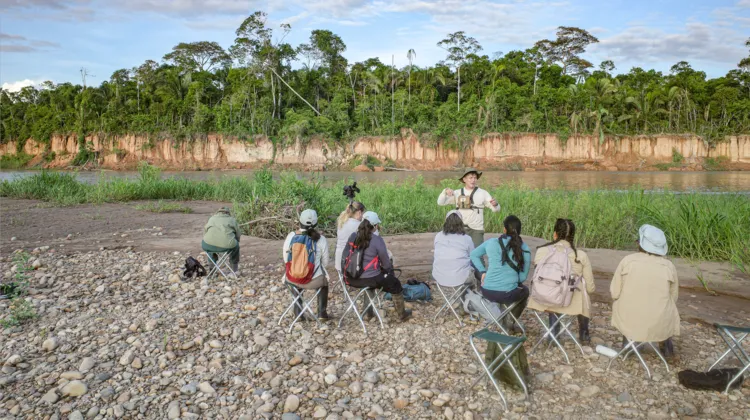
On most clear mornings, you can observe macaws congregating on a large riverbank near the ecolodge. You’ll also participate in citizen-science projects, hiking along trails to observe species including squirrel monkeys and spider monkeys.
At night, you can accompany researchers to a light trap to explore the forest and potentially identify species new to science. On some trips, scientists also give evening lectures about the biology of macaws, their feeding habits and the threats to their conservation.
Close to the ecolodge, you may see herds of peccaries eating clay in the late morning. Other animals, including deer, turkeys and parakeets, may also appear.
Whatever activities you take part in, your trip with Rainforest Expeditions will contribute directly to efforts to conserve and study the biodiversity of the Tambopata National Reserve.
To find out more, visit: bit.ly/4vzmI3l
Set sail with HX Expeditions
Whether you’re travelling to Svalbard, exploring the Northwest Passage or heading south to Antarctica, a journey with HX Expeditions offers the chance to become involved in at least two citizen-science projects on board.
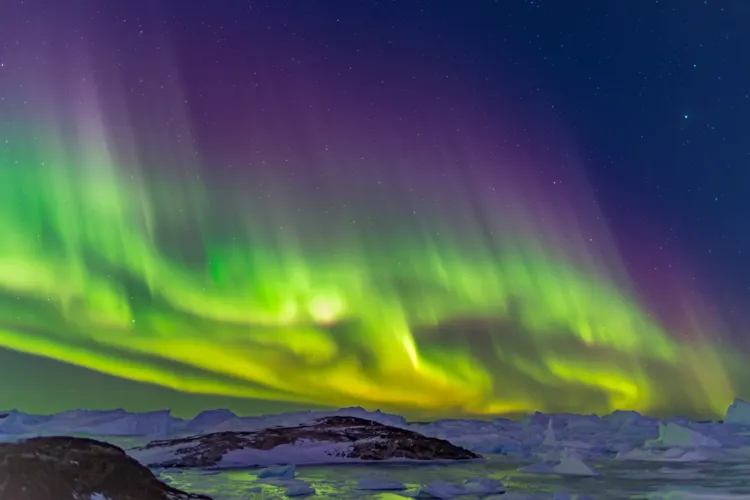
On Norwegian expeditions, you may take part in Aurorasaurus – a citizen-science project that collates sightings of the Northern and Southern Lights to improve real-time tracking of auroral activity.
In Antarctica, you can join FjordPhyto, a project in which passengers collect water samples and record environmental conditions such as seawater temperature and salinity. This research helps scientists develop a more nuanced understanding of climate change.
On the icy continent, you may also have the chance to participate in seabird surveys across the Southern Ocean – contributing to a long-term ecological-monitoring programme – as well as penguin-watching projects.
Across all of its destinations, HX Expeditions gives passengers the opportunity to take part in Happywhale, a project that uses photographs submitted by guests to map the movements of marine mammals around the world. Image-recognition software compares the photographs with existing images of individual animals, allowing scientists and wildlife enthusiasts to build profiles and track their movements.
Passengers can also contribute observations to iNaturalist, a global citizen-science platform and social network on which records of biodiversity are shared.
To find out more, visit: bit.ly/4aZRRGi
Visit Antarctica
On board Ponant’s Le Lyrial, you’ll embark on a 12-day return journey from Ushuaia in Argentina – the city at the end of the world – to the Antarctic Peninsula.
During the trip, which is tailored for English-speaking travellers, you’ll interact with scientists from Woods Hole Oceanographic Institution, a leading non-profit organisation dedicated to ocean science. Through daily scientific briefings, deck-based observations and informal conversations, you’ll learn about the organisation’s work and the wildlife encountered during the voyage.
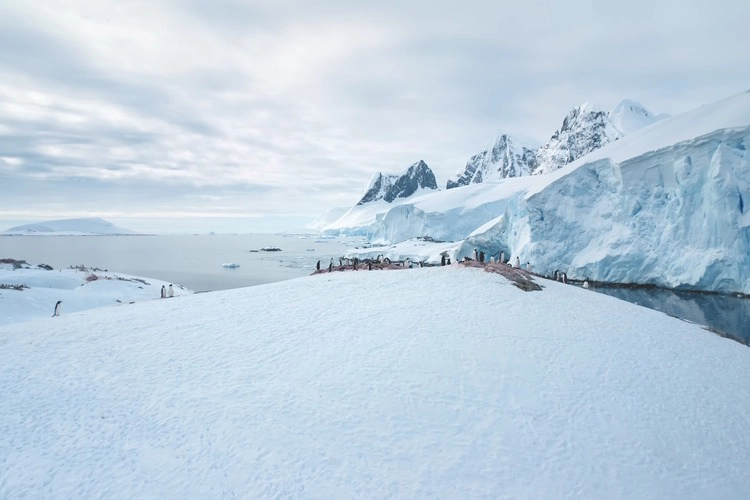
The expedition begins with a crossing of the Drake Passage, the shortest ocean route between South America and Antarctica, before arriving at the Antarctic Peninsula. During the crossing, expert guides will be on deck to help passengers spot albatrosses, cape petrels and other seabirds.
On the peninsula, you can look for wildlife ranging from gentoo and Adélie penguins to humpback whales, leopard, crabeater and Weddell seals, and seabirds. You’ll explore the vast landscape on land, aboard the ship or during Zodiac outings among icebergs, ice floes and glaciers.
If conditions allow, you may also visit research stations and former whaling stations. More adventurous travellers can don a full-body drysuit and embark on a sea-kayaking excursion led by experienced guides or take part in a polar hike. All expeditions will be carried out under strict IAATO rules of conduct.
To find out more, visit: bit.ly/4yLEhAx