Fighting between Ethiopian government forces and rebel groups has renewed, almost four years after a peace deal
By
The head of the World Health Organisation (WHO) has called for greater protection for civilians in northern Ethiopia after conflict continues in the nation.
At least 15 people – including five children – died in drone strikes that hit a camp for displaced civilians in the Amhara region of Ethiopia, as well as injuring a further 36.
‘Reports of attacks on civilians in Ethiopia’s Amhara and Tigray regions are deeply disturbing,’ said Director-General Tedros Adhanom Ghebreyesus in a post on X.
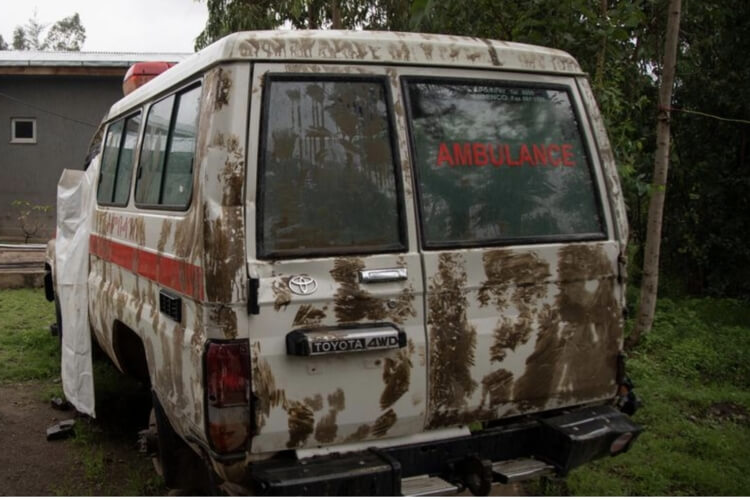
‘The violence in northern Ethiopia is pushing an already fragile health system closer to collapse,’ he continued. ‘Hospitals face shortages of health workers, medicines, and equipment. Ambulance services are severely limited. Insecurity is obstructing the delivery of life-saving medical supplies to some areas.’
Fighting resumed in September between Ethiopian government forces and rebel groups almost four years after a peace deal struck in 2022 following a two-year-long conflict. During that time, the UN documented widespread atrocities and warned of famine-like conditions. Both the Ethiopian government and rebel groups blame one another for violating the peace deal.
Related reads…
The Tigray People’s Liberation Front (TPLF) – which has allied with six other armed groups to overthrow the government – says it was responding to a ‘federal offensive’ including drone strikes. The Ethiopian government, in contrast, say Tigrayan forces attacked first after taking control of airports in Tigray.
The government has also accused Eritrea of supporting the rebel group, which Eritrea denies.
UN Secretary-General António Guterres warned that escalation and wider destabilisation could occur in Ethiopia as conflict continues. In October, the UN chief urged all parties to cease hostilities and encouraged influential countries to support de-escalation.
Ultimately, the conflict stems from an ‘unresolved struggle over federalism, regional autonomy, territory and the distribution of political power,’ said Alemayehu Fentaw Weldemariam, an expert on conflict in the Horn of Africa and Ethiopian national security.
According to the BBC, there is a significant risk of wider conflict inside Ethiopia, with fighting already moving to areas over Tigray’s borders. In addition, some raise concerns that Eritrea could become involved in the war, a nation whose relationship with landlocked Ethiopia has deteriorated sharply over Ethiopia’s demand to have access to the Red Sea.
A direct war between Eritrea and Ethiopia would have potentially devastating effects. From 1998 to 2000, a war between the two countries killed tens of thousands of people and displaced up to 650,000.