England’s east coast wetlands are an essential part of the East Atlantic Flyway. The RSPB’s Julianne Evans explains why we can’t wait for UNESCO status to start protecting them
By
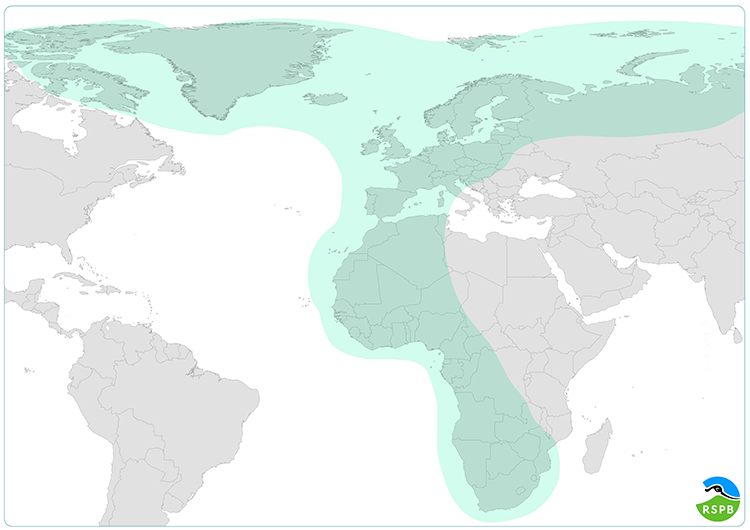
Every year, an estimated 90 million birds navigate the East Atlantic Flyway, an aerial superhighway stretching from the Arctic circle – spanning Siberia, Canada, and Alaska – down the coast of Western Europe to sites as far south as South Africa.
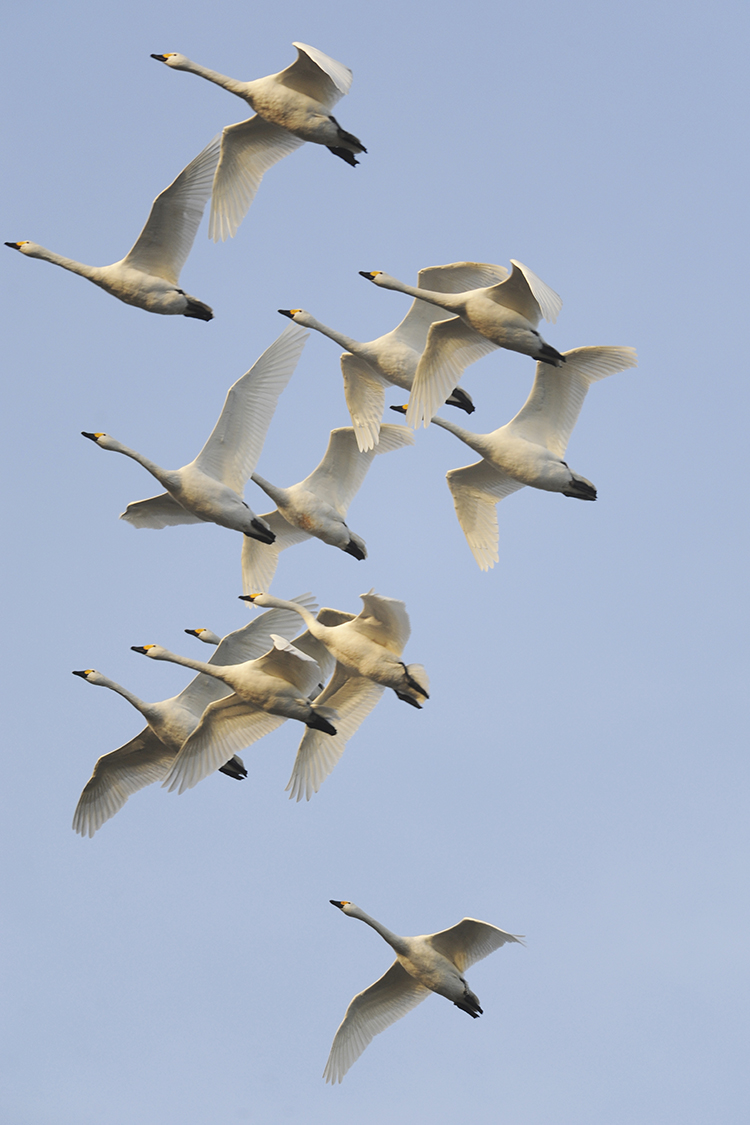
Each summer as the snow melts, the Arctic becomes a surprisingly fertile breeding ground that attracts around 200 species – some 300 to 500 million individual birds. But as the Arctic winter takes hold once more, these birds begin a southward migration, navigating along the world’s coastlines to reach warmer winter feeding areas. ‘There are nine flyways around the world,’ says Julianne Evans, head of ecology at the RSPB. ‘The East Atlantic Flyway funnels the birds directly north of us down through Iceland and the Scandinavia, through our estuaries and down to Western Europe and Africa.’
Enjoying this article? Check out our related reads…
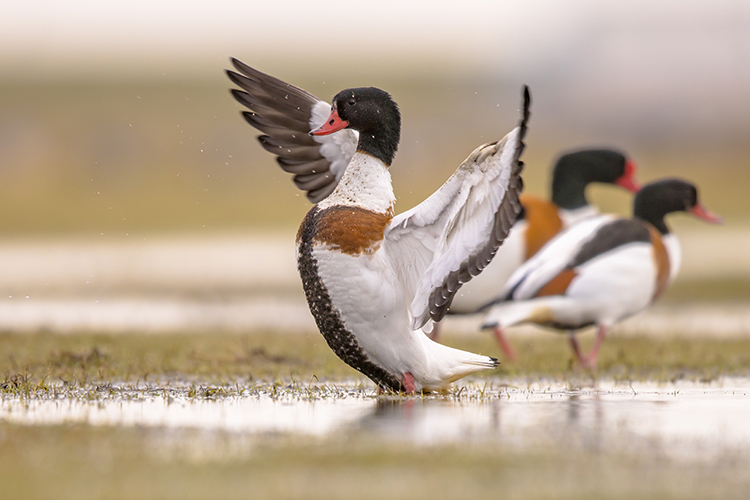
While wetlands further north succumb to the ice, the warming influence of the Gulf Stream keeps British mudflats and saltmarshes open, providing critical service stations for species like shelduck and curlew to refuel. From the Humber down to the Thames, England’s east coast hosts nine sites that regularly support more than 100,000 migrating birds, with the Wash alone acting as a winter home for nearly half a million.
In 2023, the UK government added England’s east coast wetlands (an area spanning 1,700 square kilometres) to its Tentative List of potential UNESCO World Heritage sites, a major step toward gaining the same international status as the Galápagos Islands or Mount Kilimanjaro. If approved, the designation would formally acknowledge these sites as irreplaceable global assets, essential not only for the survival of millions of migratory birds but also as examples of how nature-based defences can protect human communities from a changing climate.
‘Estuaries are big carbon sinks,’ says Evans. Studies by the Blue Carbon Initiative and NOAA estimate that saltmarshes in particular can sequester carbon at a rate two to four times greater than mature tropical forests. England’s East Coast Wetlands store an estimated 12 million tonnes of carbon in the top metre of soil alone – making them a critical tool for climate mitigation.
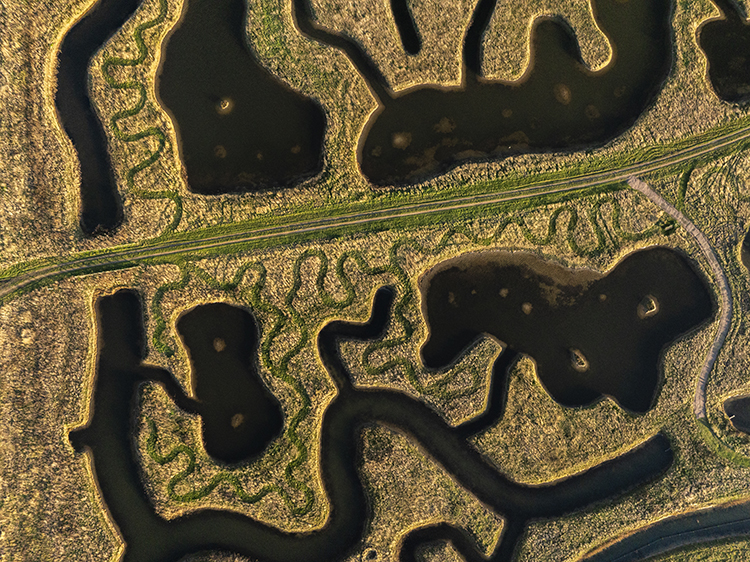
Beyond their climate benefits, these wetlands serve as a crucial first line of defence against the sea. At Wallasea Island, the RSPB has transformed 670 hectares of farmland into a thriving tidal marsh – Europe’s largest managed realignment project. By breaching ancient sea walls and repurposing three million tonnes of earth from London’s Crossrail project to raise the land, the site now shields inland communities from storm surges while providing a haven for tens of thousands of migratory birds.
Despite their immense value, the UK’s wetlands have been decimated by centuries of land reclamation. From Wallasea Island to the vast Fens, thousands of hectares were systematically drained for agriculture and industry, leaving only fragments of these habitats behind. Globally, the last 35 years of human development have led to the destruction of 1,000 square kilometres of estuarine habitat. Evans says that while UK conservation efforts in the early 90s appeared at one point to have secured a future for the UK’s remaining wetlands, that stability is shifting. ‘Recently these threats have returned in the form of port developments to drive economic recovery and for tidal barrages, such as the major energy scheme proposed for the Wash.’
For many of the migratory birds on the East Atlantic Flyway, which have been seen returning to the exact same spot for decades, the loss of these wetlands would be devastating. ‘Some of these birds live for 10, 20, or even 30 years,’ Evans notes. ‘They really get to know their flyway. You can go back to the same estuary every year and see the same curlew feeding there.’
Achieving UNESCO status could be the turning point for the public perception of wetlands, granting them the same status as ancient woodlands – landscapes long understood to be indispensable in the fight against biodiversity loss and climate change. ‘I think wetlands have always suffered from an image problem,’ says Evans. ‘They don’t necessarily seem attractive, but that’s because people haven’t experienced them up close.’
In the meantime, while we wait for the notoriously slow outcome of the UNESCO process, Evans highlights the immediate need to protect them from a range of mounting pressures. ‘These are arguably one of our most important habitats, not just within the UK, but globally,’ she says. ‘We really, really can’t afford to let them go through oversight or through lack of attention.’

Five RSPB sites on the East Atlantic Flyway
- RSPB Snettisham (Norfolk): Located on the edge of the Wash, this site is famous for the ‘whirlwind’ of tens of thousands of wading birds pushed off the mudflats by the incoming spring tide.
- RSPB Minsmere (Suffolk): A flagship reserve featuring a mosaic of reedbeds and coastal lagoons that support iconic species like the avocet and the elusive bittern.
- RSPB Titchwell Marsh (Norfolk): A highly accessible reserve on the North Norfolk coast that offers exceptional close-up views of wildfowl and waders across its freshwater and tidal lagoons.
- RSPB Wallasea Island (Essex): This massive 700-hectare landmark project recreated a lost landscape of saltmarsh and lagoons, now home to vast numbers of wintering harriers and short-eared owls.
- RSPB Frampton Marsh (Lincolnshire): Positioned on the inner reaches of the Wash, this site provides some of the best high-tide roosts in the country for record-breaking numbers of black-tailed godwits.