Study finds each hectare of tropical rainforest generates 2.4 million litres of rain each year – enough to fill an Olympic-sized swimming pool
By
A new study by University of Leeds researchers has placed monetary value on one of forests’ least recognised services – as a source of rainfall – finding that each hectare generates 2.4 million litres of rain each year, enough to fill an Olympic-sized swimming pool.
Enjoying this article? Check out our related reads…
To reach their conclusions, researchers used satellite observations combined with simulations from the latest-generation climate models. Then, they applied a simplified economic valuation to estimate the value of that rain to society and the economy.
Using this approach, they calculated that rainfall generation by forests in the Brazilian Amazon is valued at approximately £ 16 billion per year. By comparison, current financial incentives aimed at protecting or restoring the Amazon amount to just a fraction of that figure.
‘This is the most comprehensive and robust evidence to date of the value of tropical forests’ rainfall provision,’ said lead author Dr Jess Baker, from the University of Leeds’ School of Earth, Environment and Sustainability.
Tropical forests are pivotal in sustaining the regional and continental rainfall systems that underpin agriculture, water supplies and energy production. Across the tropics, each square metre of forest contributes about 240 litres of rainfall annually, rising to around 300 litres in the Amazon.
‘Demonstrating the financial benefits that tropical forests provide will unlock investment and strengthen arguments for forest protection,’ Baker continued.
Despite the benefits that tropical rainforests can provide, deforestation is wreaking havoc on their ability to be a source of rainfall. Researchers estimate that deforestation across recent decades – which is around 80 million hectares in the Amazon – may have reduced rainfall generation benefits by almost $5billion, with knock-on effects for food production, hydropower and water security.
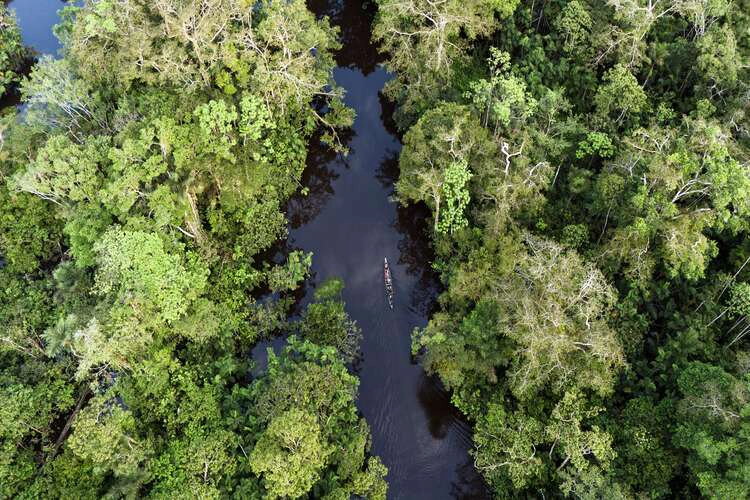
In particular, Brazil’s economy is exposed. Approximately 85 per cent of the country’s agriculture is rain-fed, and reduced rainfall combined with delayed wet seasons has already impacted soy and maize yields in regions with high levels of deforestation.
Beyond agriculture, declining rainfall linked to forest loss also threatens drinking water supplies, river transport in remote regions, hydropower generation and even the carbon‑storage capacity of remaining tropical forests.
Despite repeated international pledges to halt deforestation by 2030, forest loss continues across much of the tropics.
‘Tropical forests make it rain, supplying water that is essential for agriculture. Recognising that crucial connection could ease tensions between agricultural and conservation interests whilst building broader support for protecting forests overall,’ said co-author of the study Dr Callum Smith of Leeds’ School of Earth, Environment and Sustainability.