Cyclone Arnab expected to make landfall by Wednesday in the nation, with more than 12 million people living along the cyclone’s path
By
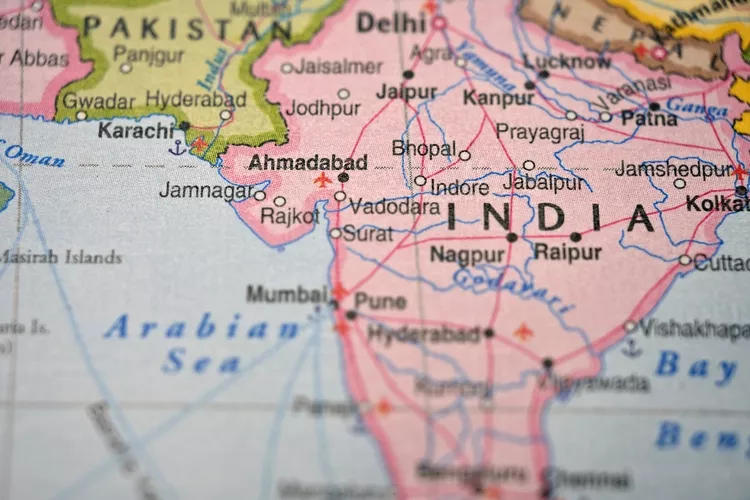
India’s east coast is bracing for a cyclone expected to make landfall this Wednesday (28 October), with an estimated 400,000 people in need of evacuation. Once it hits India, Cyclone Arnab is forecast to then head north toward Nepal.
Enjoying this article? Check out our related reads…
According to the India Meteorological Department, Arnab strengthened into a ‘very severe’ cyclonic storm. Authorities have evacuated residents of low-lying and flood-prone areas as forecasts predict maximum sustained wind speeds of up to 125 kilometres per hour.
The weather department has also warned that a storm surge 1.5 metres above the normal tide level could flood low-lying areas of Andhra Pradesh once Arnab makes landfall.
More than 12 million people live along the cyclone’s expected path. Travel disruption has already begun in India, with at least 12 trains cancelled in eastern India and services on 53 routes along the southern coast suspended on Tuesday and Wednesday.
Authorities have also set up more than 2,000 cyclone shelters across 20 districts, with nearly 1,100 medical teams deployed across areas to provide emergency assistance. At least 89,000 people have been evacuated so far in Andhra Pradesh.
Cyclone Arnab is currently moving at 20 kilometres per hour (12mph), with forecasters predicting ‘extremely heavy rains and strong gusty winds’.
Air India has warned that inclement weather could affect flights, and healthcare has also been affected nationwide. The Andhra Pradesh government has shifted almost 3,000 pregnant women, nearly at their due dates, to nearby hospitals, and has also temporarily postponed vaccination programmes in cyclone-affected districts.
The Health Department has prepared for the cyclone’s after-effects, including stocking antibiotics and emergency medicines to prevent infectious disease outbreaks. Authorities have also arranged 26,500 anti-snake venom injections for snakebite incidents during flooding and waterlogging.
Additional fuel for healthcare facility generators has also been secured by the government, so that healthcare can continue operating in the event of electricity supply being disrupted.