New strategy sets out four priorities, including strengthening security and responding to accelerating climate change in the fastest-warming region on the planet
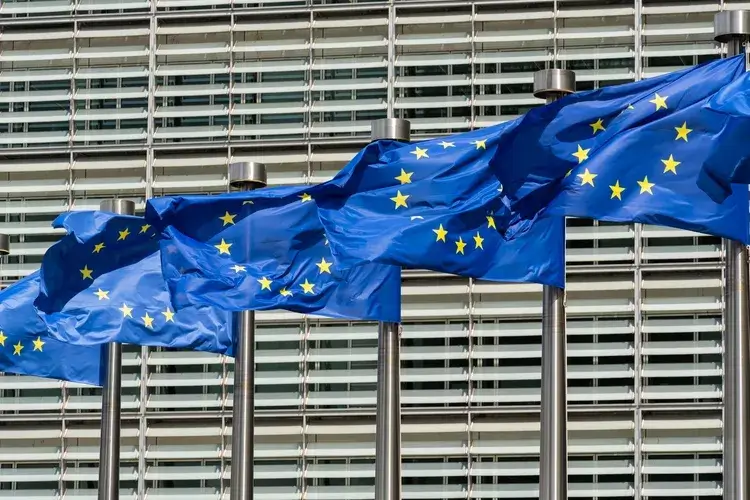
The European Commission has revealed a new Arctic strategy, including priorities from strengthening security in the region to responding to climate change threats.
With more than half a million EU citizens living there, the European Commission said in a press release that developments in the Arctic ‘directly impact Europe’s security, climate and prosperity’.
‘Since our previous Arctic strategy in 2021, we face a much harsher security environment. The Arctic is no longer insulated from the world’s geopolitical tensions. Our updated Arctic strategy reflects this new reality by putting security firmly at its core,” said EU foreign policy chief Kaja Kallas.
The new plan outlines four key priorities for the Arctic, which is warming nearly four times faster than the global average.
Firstly, the strategy outlines how the EU will work with member states, Arctic partners and NATO to protect critical infrastructure and strengthen Europe’s ability to operate in Arctic conditions. This will include expanding European icebreaker capacity.
The EU will also support the creation of an Arctic Cable Hub, designed to monitor, protect, and repair submarine cables in the North Atlantic and Arctic, and invest in technologies to detect threats to such infrastructure. The Arctic Cable Hub will also track shadow fleet vessels, detect illegal fishing and pollution, and improve search-and-rescue coordination.
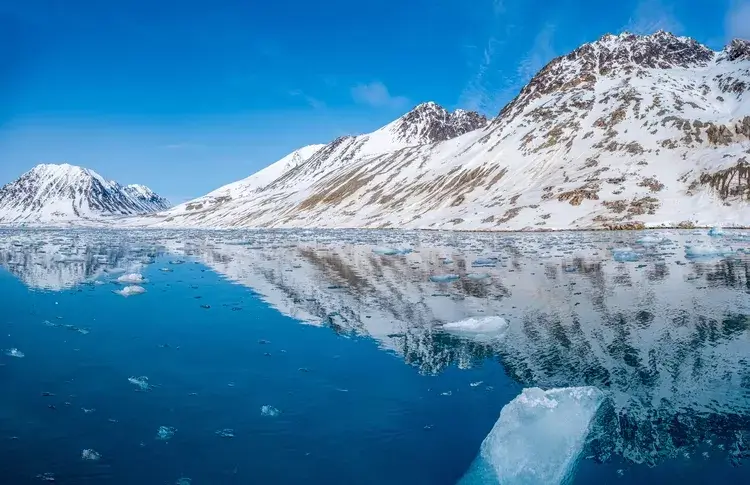
On the climate front, the EU said it will strengthen Arctic climate research and observation, working with member states and partners on OceanEye, a new ocean monitoring and observation initiative.
In recent years, the Arctic has also come under the spotlight for energy and economic opportunities, including renewable energy, critical raw materials, and sustainable marine industries.
In its new plan, the EU said it will not drill for fossil fuels, instead integrating infrastructure such as ports, rail connections, energy terminals and satellite infrastructure into Arctic trade and transport networks.
‘The EU remains committed to ensuring that oil, coal and gas stay in the ground, including in Arctic regions,’ the new policy said.
The EU also said it will continue working with nations including Norway, Greenland, Canada and the United States to develop critical ‘raw material projects’ in the Arctic, ensuring that it does so while upholding ‘the highest social, environmental and governance standards’.
Finally, the new strategy emphasised that the people who live and work there must shape the Arctic’s future. To do so, it outlined how the EU will strengthen Erasmus+ opportunities and democratic resilience in the Arctic.
Check out our related reads…
‘The Arctic is Europe’s Northern Neighbourhood – close, connected and critical to our future. And it is changing. New shipping routes and resources are driving strategic competition,’ said president of the European Commission Ursula von der Leyen.
‘With our new Strategy, we are investing in stronger security, resilient infrastructure and economic opportunities. For the benefit of the people who call the Arctic home, and for our shared space.’
The announcement of the new strategy comes around the same time as a parliamentary report by the Commons Defence Committee outlined how the UK has ‘glaring gaps’ in its ability to defend the Arctic.
The committee said a shortage of Royal Navy warships and submarines – occurring as many of them are either ageing or out-of-action – could leave the country’s undersea cables and energy supplies exposed. If conflict did occur, the report said Russia could threaten the UK’s population and infrastructure, as well as supply routes from the United States.
‘The High North poses a major strategic challenge for the UK’s security. This is a demanding, hostile environment, and one that our greatest adversary, Russia, is seeking to dominate for military advantage,’ said committee chairman Tan Dhesi.
‘The UK needs to be willing to address a hard truth: it does not currently have all the capabilities to operate successfully in the High North.’
The Ministry of Defence (MoD) said it is ‘clear-eyed about the threat Russia poses’.