From the feared Drake Passage to the mysteries of the Bermuda Triangle, discover the articles that piqued your interest this year
By
As 2025 draws to a close, it’s an apt time to reflect on the last year and the articles published at Geographical. In 2025 alone, we published more than 650 pieces of content on our website – but which articles captured your attention the most?
Here we reveal the top ten most-viewed articles published in 2025, in reverse order. To read the full article, click on the title.
10) Geo explainer: Why is the Drake Passage so feared?
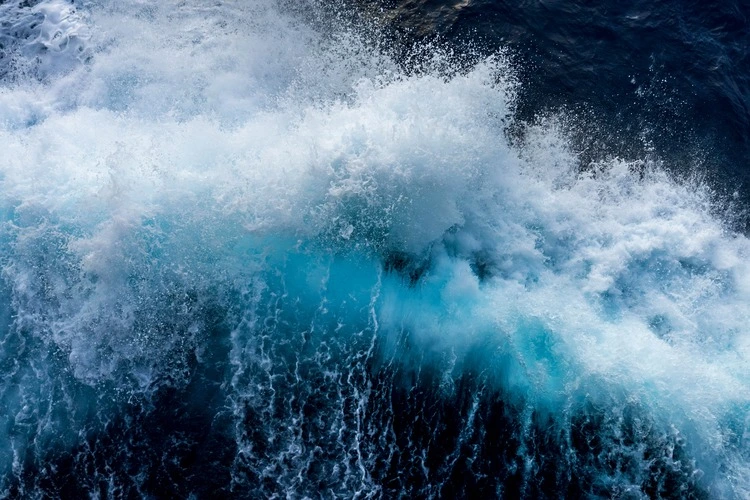
In this Geo Explainer, we break down why the seemingly short stretch of sea has such a fearsome reputation — from the ceaseless march of the Antarctic Circumpolar Current to the sudden tempests that can materialise without warning. Whether it’s the infamous ‘Drake Shake’ or rare, glass-calm days known as ‘Drake Lake’, the passage is a place where nature keeps you guessing.
But this isn’t just a story of rough seas. We explore what makes the Drake Passage a crucial crossroads in Earth’s climate system and a magnet for wildlife — a place where oceanographers and bird-watchers find as much wonder as meteorologists find chaos
9) Geo explainer: What is a polar vortex collapse?
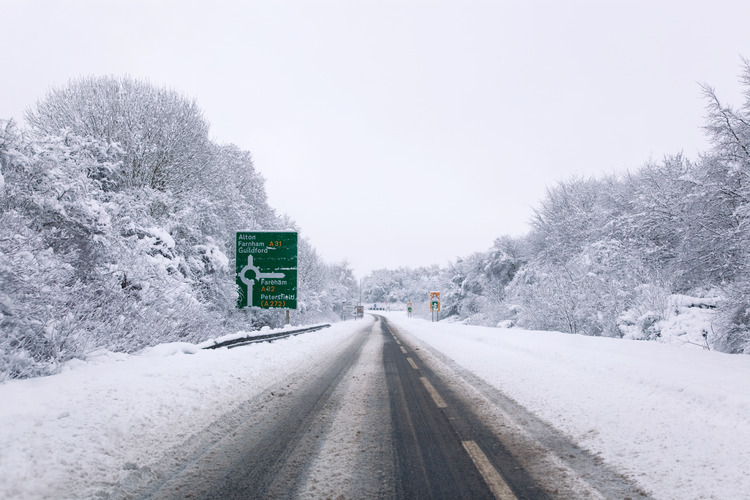
Here, we unpack one of the most dramatic weather phenomena that made headlines in 2025 — the polar vortex collapse — a high-altitude atmospheric shake-up that can send shockwaves right down to your doorstep. Once confined high above the poles by roaring winds, this icy circulation can suddenly weaken or break apart, triggering shifts in the jet stream that unleash deep freezes, heavy snow and powerful storms across the mid-latitudes.
8) Where are America’s troops? The world’s largest US military bases

From bustling bases in East Asia to strategic hubs in Europe and the Middle East, the United States maintains one of the world’s most expansive military networks. In this piece, we map the locations of approximately 170,000 US troops across 750 bases in more than 80 countries, illuminating how geography shapes global power and alliance-building.
7) Unravelling the mystery of the Bermuda Triangle
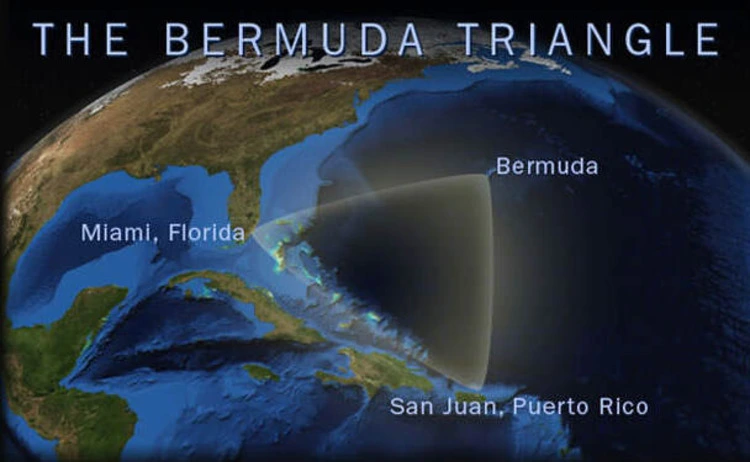
It’s one of the most enduring maritime mysteries of the modern age — the Bermuda Triangle. A vast stretch of the North Atlantic, the Bermuda Triangle is long associated with unexplained disappearances and dramatic tales of vanishing ships and aircraft. Once framed as a place of supernatural forces and navigational anomalies, this notorious region is now better understood through the lens of geography and science, where powerful ocean currents, volatile weather systems and human error combine to create conditions that can turn routine journeys into dangerous ordeals.
6) Depopulation: the dramatic change facing humanity
Depopulation remains one of the most profound demographic shifts facing humanity in the 21st century – a reversal of the centuries-long trend of ever-rising human numbers that could reshape societies, economies and global power. After peaking in the mid-2080s at around ten billion people, the world’s population is projected to stall and then start shrinking as fertility rates fall below replacement levels across much of Europe, Asia and the Americas. In this article, Mark Rowe explores the seismic shifts driven by depopulation worldwide.
5) USAID: What projects have already been affected by aid cuts?
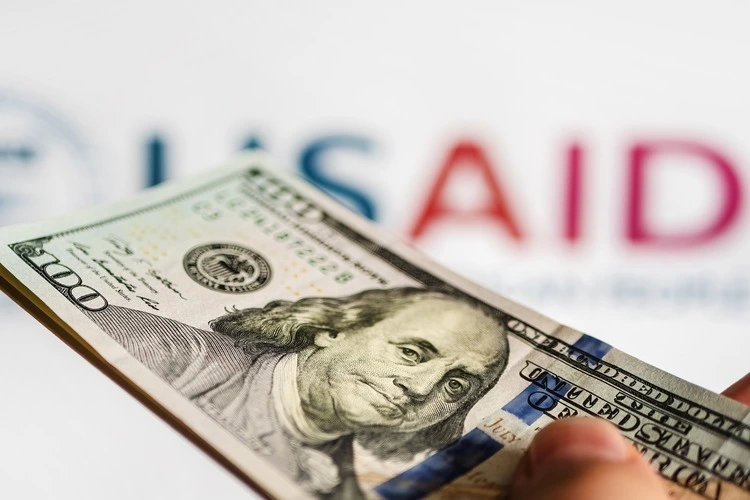
In 2025, USAID cuts cast reverberating impacts across charities, NGOs and businesses.
In one of our top-performing articles of the year, we explore one of the most consequential international developments in global aid this year — the sweeping cuts to USAID funding and the projects already feeling the impact. Following an abrupt freeze and cancellation of a large share of the United States’ foreign aid contracts, programmes once supporting everything from healthcare and education to landmine clearance and independent journalism were paused or halted entirely, leaving communities and organisations scrambling for alternatives.
4) The best countries to live in the age of climate change
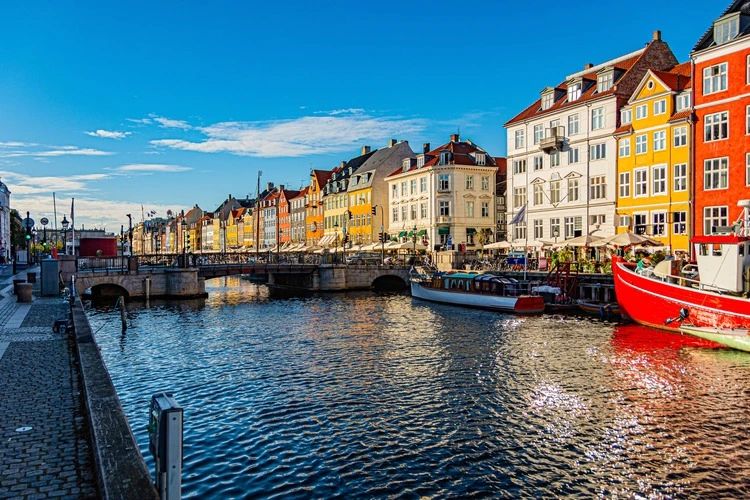
From northern latitudes gaining longer growing seasons and cooler climates to countries investing in resilient cities and sustainable energy, this ranking isn’t just about where life might be easier — it’s about how preparedness, policy and geography intersect to shape futures in a warming world.
3) China vs US: which has the world’s biggest economy?
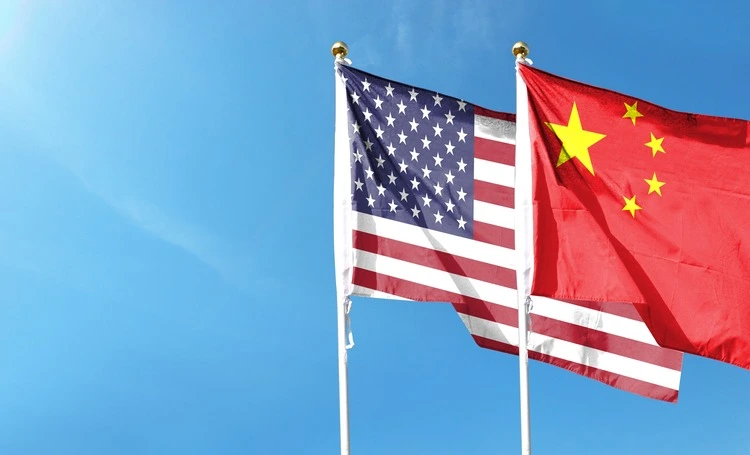
Here, we unpack one of the most talked-about global competitions of our age — China versus the United States in the battle for economic supremacy — a contest that isn’t just about raw numbers, but about influence, policy and how the twenty-first-century world is shaped. Depending on how you measure it, the title of “largest economy” can shift: the United States still leads on standard (nominal) GDP, while China tops many rankings when you adjust for purchasing power parity.
2) Black Death: the next global pandemic?

Could a future pandemic rival the devastation of the Black Death? In this article, Victoria Heath traces how the 14th-century plague wiped out huge swathes of Europe, and looks at how our interconnected modern world has transformed the way diseases spread, evolve and are fought.
1) The top five countries with the largest forests in 2025
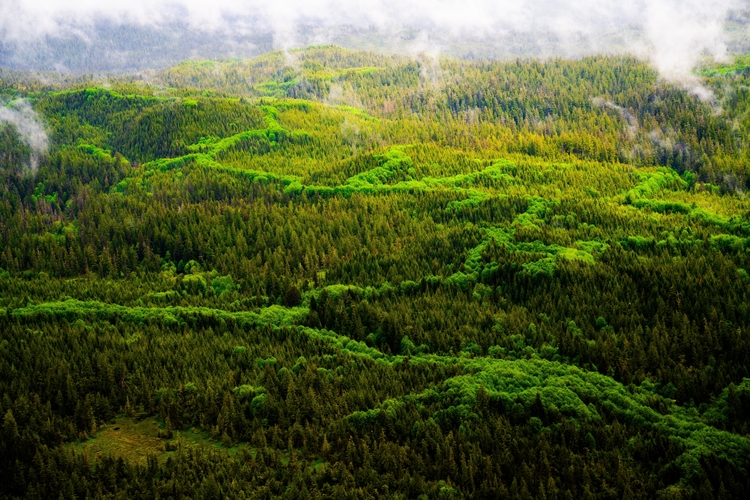
Amber Bryan takes you deep into the world’s great woodlands — the top five countries with the largest forests in 2025 — and explores how these vast, living landscapes shape climate, culture and conservation. Stretching from dense boreal belts to sprawling tropical jungles, these forests are carbon sinks, biodiversity hotspots and anchors for communities and wildlife alike, even as they face pressure from logging, fire and land-use change.