The sea feeds us, protects us, connects us – and we are pushing it closer and closer to breaking point
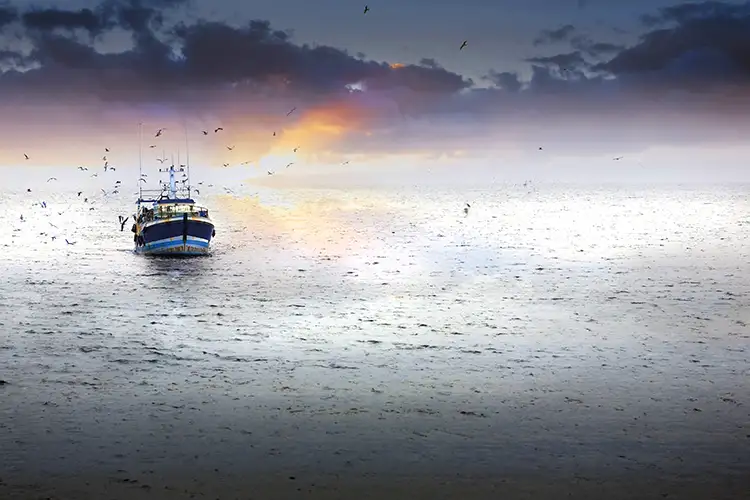
We meddle with the oceans at our peril. They cover 70 per cent of our planet, provide more than half the oxygen we breathe and absorb nearly a third of our carbon emissions. Yet just 2.4 per cent of the ocean is fully or highly protected, and more than one-third of fish populations are harvested at biologically unsustainable levels. With 70 per cent of stocks fished at full capacity, overfished, or recovering, entire aquatic ecosystems are at risk.
‘The proportion of overfished stocks continues to increase at a rate of approximately one per cent per year, which is a significant concern,’ says Robin Davies, sustainable fisheries lead at WWF International. The IUCN Red List of Threatened Species shows that more than 1,000 exploited marine species – including sharks, rays, groupers, seahorses, abalone and 40 per cent of corals – are being adversely affected by fishing.
Yet humans depend on the sea. Fish, crustaceans, molluscs and other marine invertebrates contribute 20 per cent of the per capita protein supply for 3.2 billion people, according to the UN Food and Agriculture Organisation. Meanwhile, carbon emissions and climate change are driving ocean warming, marine heatwaves and ocean acidification.
‘Right now, we are hammering marine species from every possible angle,’ says Chris Graham of the Marine Conservation Society. ‘We are living in a time that needs to see action.’
That call for action is at the heart of Ocean Larder, Geographical’s special report exploring the tension between food security and ocean sustainability. The series investigates the choices facing governments, industries and communities as demand for seafood rises and marine ecosystems struggle to cope.
Here is a brief summary of the individual stories that make up the special report The Ocean Larder, with links to each one:
Can the sea keep feeding the world?
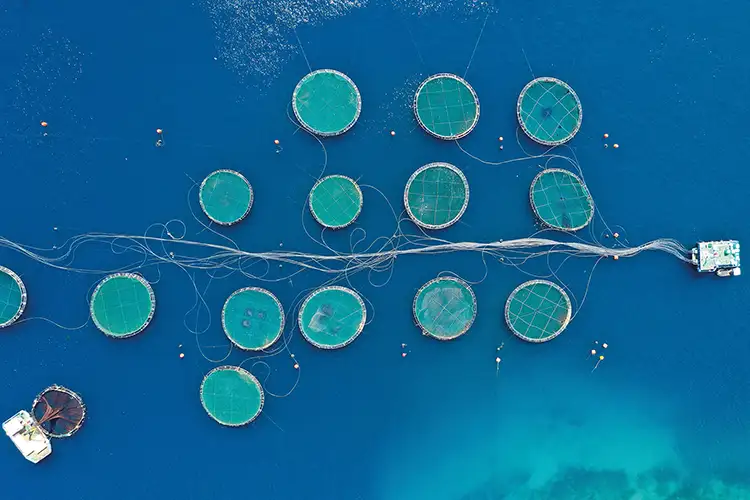
Global consumption of aquatic food has soared since the 1960s, outpacing population growth. With wild fish stocks at their limit, aquaculture now provides the lion’s share. But questions remain: can farming the sea deliver food security without sacrificing ecosystems?
Hooked on imports: Britain’s fishing paradox
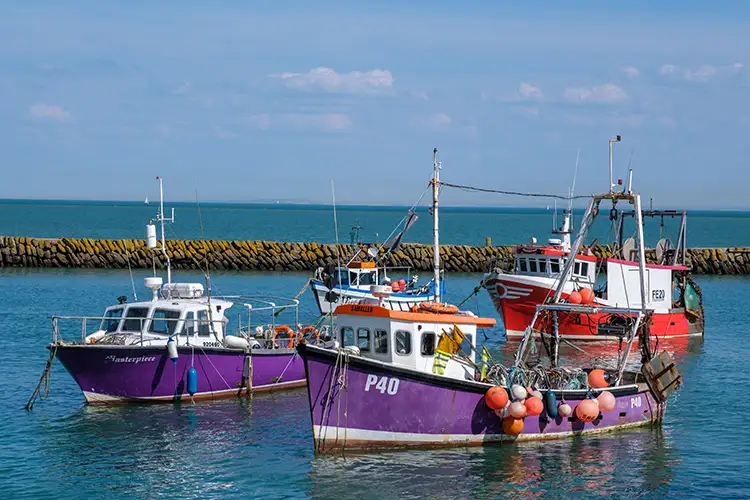
Despite being an island nation, the UK eats relatively little fish and relies heavily on imports. Its fishing industry has shrunk dramatically, with fleets and fishers in long-term decline. Brexit promised renewal, but trade realities and contested quotas have left many communities disillusioned.
Why are cod populations dwindling?

North Sea cod, once an emblem of British fishing, faces collapse. Scientists warn that warming waters and chronic overfishing are eroding stocks faster than they can recover, leaving the future of this cultural staple in jeopardy.
Can the ocean heal?
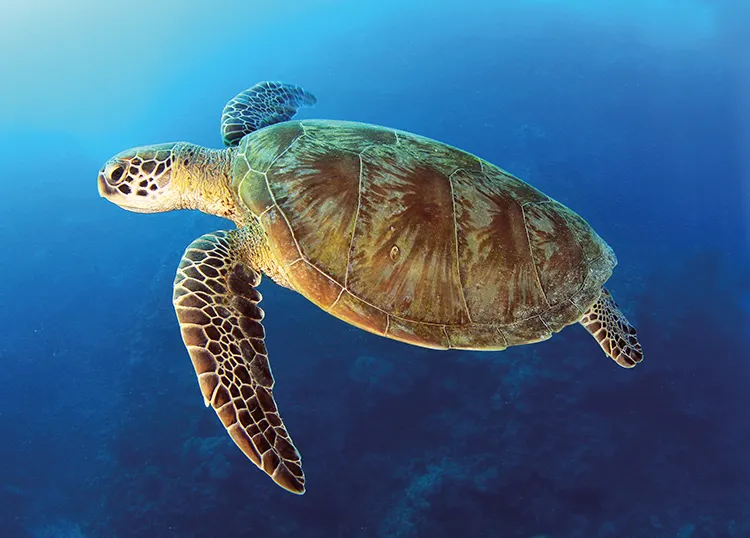
The ocean absorbs vast amounts of our excess heat and carbon, but there are limits. Rising temperatures, acidification and pollution are changing habitats and undermining marine resilience. From seagrass restoration to carbon-storing mangroves, we explore the measures that could help the ocean recover.
What are the dark fleets of fishing?
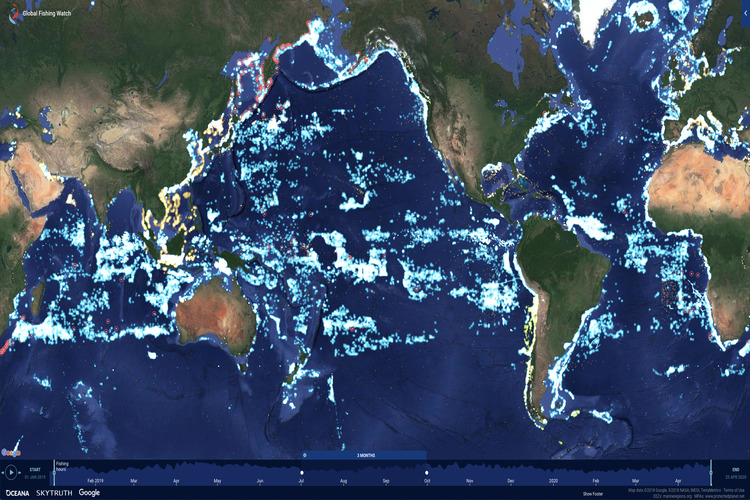
Satellite monitoring has begun to expose the shadowy world of unregulated, long-distance fishing fleets – often invisible to official data. These “dark fleets” plunder stocks, evade conservation rules and threaten food security, particularly in African waters.
From fishing nets to swim pilots
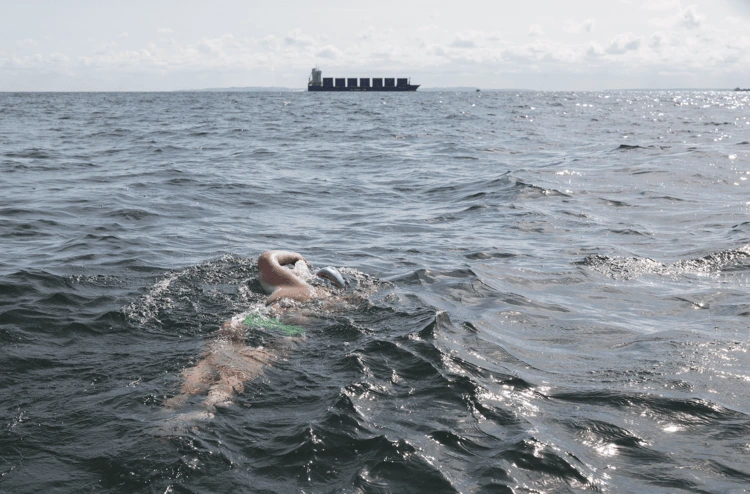
Some former fishers are finding new livelihoods in surprising ways. Along the Channel, they have become indispensable to endurance swimmers attempting crossings, drawing on their deep knowledge of tides, currents and safe navigation. It’s a story of adaptation in a changing seascape.