
New study shows how zinc from fossil fuel combustion is being transported on tiny aerosols to some of the most remote waters in the world
By
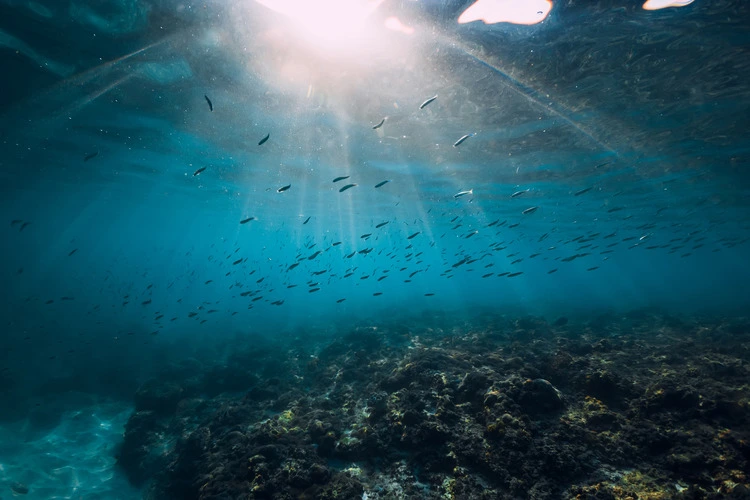
The South Pacific is one of the most remote oceans in the world, the site of the famed ‘Point Nemo’ spot, located more than 2,680 kilometres from the nearest land. However, scientists have shown in recent research that this location is far from unspoilt.
Conducted by ETH Zurich and the GEOMAR Helmholtz Centre for Ocean Research in Kiel, the latest research found zinc – released by burning fossil fuels and other industrial processes – has reached the most remote corners of the ocean. So prevalent is zinc in these waters that it now exceeds the amount from natural sources.
Enjoying this article? Check out our related reads…
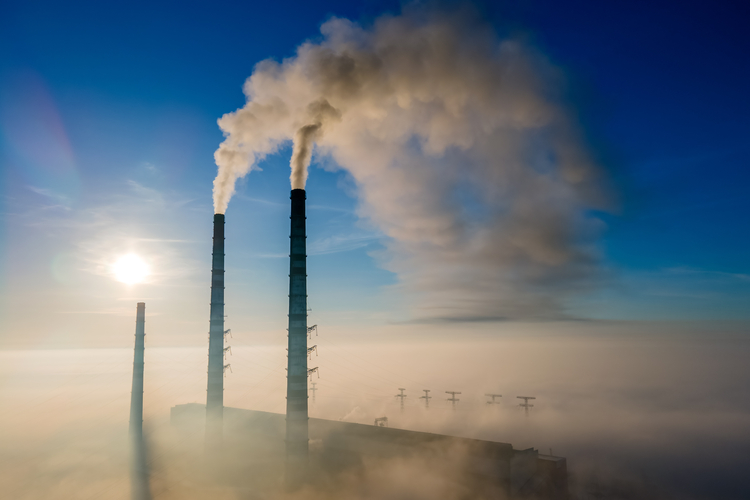
Zinc and other metals are released into the atmosphere when fossil fuels are burned, as well as the burning of coal and metal smelting. These metals then attach to tiny aerosols in the air, which can travel thousands of kilometres before settling on surface waters.
‘Essentially all of the zinc in the particles from the upper South Pacific is unnatural. These results show that even elements previously thought to be unaffected by human activity are now dominated by industrial pollution, which has reached the most remote parts of the open ocean,’ said Ben Altabet.
Naturally, the uppermost layer of the ocean is low in zinc and other trace metals as they are consumed by phytoplankton. For phytoplankton to survive, these micronutrients must be present in the right proportions within seawater. Researchers have anticipated that continued increases in man-made metal emissions could disrupt this delicate balance, impacting the entire marine food chain.
Now, researchers want to conduct further studies to determine whether zinc and other essential metals, such as copper and iron, are present in other ocean regions.
‘Only by studying different marine systems will we be able to understand trace metal behaviour across the ocean as a whole and how marine organisms respond to shifts in nutrient balances,’ said Ben Altabet.


