First-of-its-kind mapping with multi-country research reveals depth and scale of fossil fuel industry’s potential harm
By
At least two billion people globally – around a quarter of the world’s population – face risks to their health and livelihoods from fossil fuel infrastructure, a new report by Amnesty International and Better Planet Laboratory has revealed.
The 163-page report shows the full lifecycle of fossil fuels destroys irreplaceable natural ecosystems and undermines human rights, particularly of those living near fossil fuel infrastructure. Close proximity to coal, oil and gas infrastructure has been proven to elevate risks of cancer, cardiovascular illness, adverse reproductive outcomes and other negative health outcomes.
Enjoying this article? Check out our related reads:
‘This report provides yet more evidence of the imperative for states and corporate actors to “defossilise” the global economy to mitigate the worst impacts of the climate crisis on human rights. The age of fossil fuels must end now,’ said secretary general of Amnesty International, Agnès Callamard.

Using global calculations, Better Planet Laboratory mapped the scale of exposure to fossil fuel infrastructure by overlaying data on the known locations of fossil fuel infrastructure with population data, datasets on daily emissions and those on Indigenous people’s land tenure.
Through their report, researchers found at least two billion people live within 5 kilometres of more than 18,000 operating fossil fuel infrastructure sites distributed across 170 countries around the world. Of these, more than 520 million are estimated to be children and at least 463 million are living within one kilometre of the sites, exposing them to much higher environmental and health risks.
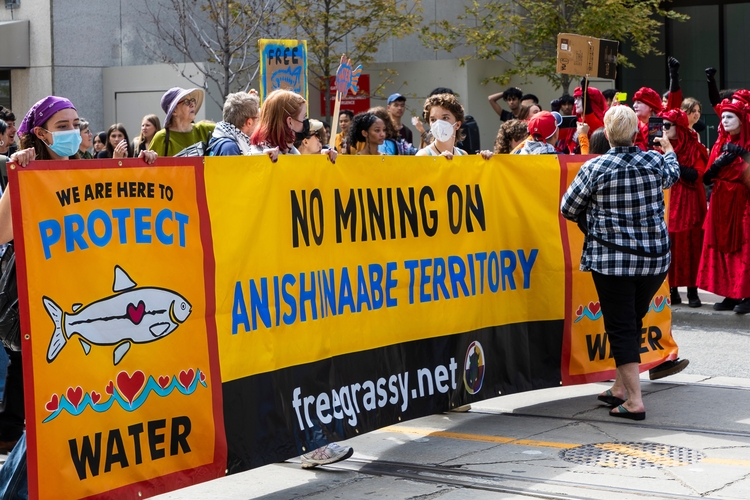
Indigenous Peoples are disproportionately exposed, with more than 16 per cent of global fossil fuel infrastructure sited on Indigenous territories. At least 32 per cent of the existing fossil fuel sites mapped out overlapped with one or more ‘critical ecosystems.’
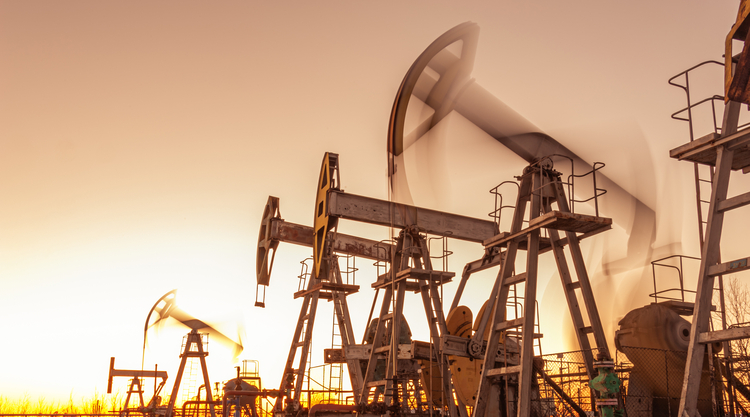
Despite the mounting evidence of how planet-polluting fossil fuels are, the industry continues to expand. More than 3,500 fossil fuel infrastructure sites are either proposed, in development or under construction globally. The number of oil and gas projects is set to increase across all continents while the number of coal plants and mines is increasing mostly in China and India. Such expansion could put at least 135 million additional people at risk.
‘Governments have pledged to phase out fossil fuels, but we now have clear evidence showing new fossil fuel projects continue to expand preferentially in our most critical ecosystems globally. This is a direct contradiction with stated climate goals,’ said senior data scientist at Better Planet Laboratory Ginni Braich.
In particular, extracting, processing and transporting fossil fuels is undermining the human rights of neighbouring communities, causing severe degradation, health risks, and loss of culture and livelihood, according to the report.
Some groups interviewed as part of the report described extraction as a form of economic or cultural pillage, perpetrated by corporate actors through intimidation and coercion.
‘We are not after money; we only want what is ours. We just want to fish in Guanabara Bay, it’s our right. And they are taking our rights,’ said Bruno Alves de Vega, an urban artisanal fisher from Rio de Janeiro, Brazil.
All environmental human rights and Indigenous land defenders interviewed by Amnesty faced severe safety and security risks, often stemming from disputes with companies whose activities threaten traditional ways of life and ecosystem integrity.
Beyond physical and online threats, states and corporate bodies have relied on ‘lawfare’, abusing legal action, including criminal proceedings, to silence, delegitimise and intimidate defenders, the report said.
In addition, most of the planned projects in the report created pollution hotspots, turning nearby communities and critical ecosystems into ‘sacrifice zones’ – a heavily contaminated area where low-income and marginalised groups bear the disproportionate burden of exposure to pollution and toxic substances.
Despite commitments made under international climate agreements, the report dubs government actions as ‘wholly inadequate’. Accounting for 80 per cent of the global primary energy supply, fossil fuel usage is continuing to intensify despite climate policy advocating for their rapid phase out.
‘The fossil fuel industry and its state sponsors have argued for decades that human development requires fossil fuels. But we know that under the guise of economic growth, they have served instead greed and profits without red lines, violated rights with near-complete impunity and destroyed the atmosphere, biosphere and oceans,’ said Callamard.
‘Against these continuing patterns, against the global fossil fuel political economy of repression, we must resist collectively and demand that world leaders deliver on their obligations and commitments. Humanity must win.’