Recommendation technology will be similar to Netflix – learning from user behaviour to recommend personalised plans for both tourists and residents
By
A new digital platform with Netflix-style recommendations helping tourists and residents to discover less crowded areas of Barcelona. Rather than highlighting famous attractions, the This is Barcelona platform offers personalised recommendations based on users’ interests, with more than 1,000 suggestions across neighbourhoods, culture, food, architecture, music, shopping, and sports, similar to how Netflix curates suggestions based on users’ behaviour.
Enjoying this article? Check out our related reads…
In addition to learning a user’s interests, the platform will also produce recommendations based on timing and capacity in certain areas to manage tourism flows.
The platform is part of a €5.8million digitalisation project in Barcelona, a city that receives approximately 31 million visitors per year, almost 20 times the number of permanent residents (1.6 million). Around 14 per cent of Barcelona’s economy is funded through tourism, an industry that provides 150,000 jobs.
‘We will stop promoting Barcelona in generic terms. We will move from destination promotion to product promotion, that is, of everything that makes the city unique and makes us unique, such as museums, fairs, music festivals, architecture, cultural exhibitions, or our bars and restaurants,’ said general director of Turisme de Barcelona Mateu Hernández.
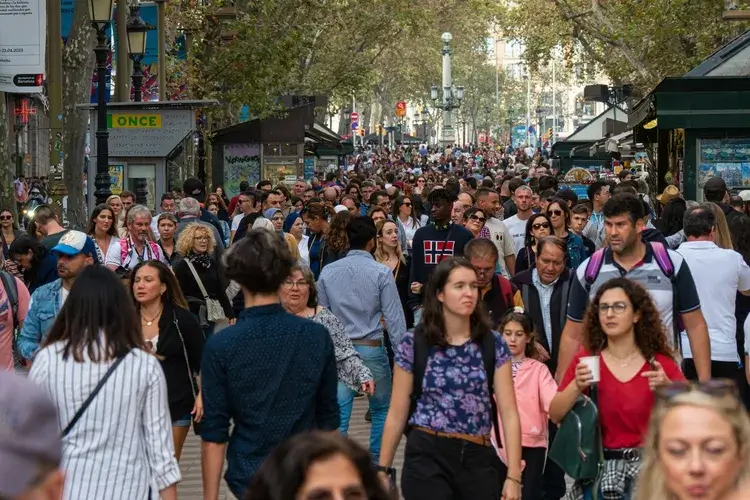
Barcelona is no stranger to overtourism, particularly from day trippers. With only a few hours to spend in the city, visitors often frequent the same few places: La Rambla, the Sagrada Familia, Parc Güell, and La Boqueria market. Congestion causes issues for both residents and other tourists, further exacerbating the city’s crowded nature.
High demand for tourist accommodation has also made it difficult for residents to afford rising rents. In addition, everyday shops used by locals are often replaced by souvenir stands, cafes, and bike rental shops, all of which may be unnecessary or unaffordable for residents.
Protesters have taken to Barcelona’s streets in recent years to campaign against overtourism, with some arming themselves with toy water pistols and spraying visitors seated in outdoor cafes. Under pressure from protests, city authorities announced a complete ban on short-term rentals to tourists from 2028, cancelling around 10,000 licenses for tourist apartments.
This year, Barcelona also doubled its tourism tax to one of the highest in Europe, approving a law that could charge holiday rental guests up to €12.50 per night. A two-night stay for a couple at a four-star hotel could now cost an extra €45.60 with added tourism taxes. Guests at five-star hotels could be charged up to €15 per night.
Around one-quarter of the revenue raised from such charges will help address Barcelona’s housing crisis.
Barcelona’s tourism boom began in 1992, when it hosted the Summer Olympics. After that, airport upgrades, the construction of additional cruise ship terminals, and low-cost flights put the city in the spotlight for tourists.