The 9,500-acre estate has been acquired after a two-year fundraising appeal led by figures such as Sir David Attenborough
By
The Wildlife Trusts and Northumberland Wildlife Trust have announced they have completed the purchase of Rothbury Estate in Northumberland, a 9,500-acre estate understood to be the largest area of land put up for sale in England in more than 30 years.
In total, more than 25,000 people donated to the nature recovery project, including a £5million grant from the National Lottery Heritage Fund in March. The UK Government’s Department for Environment, Food and Rural Affairs (DEFRA) also pledged almost £2million earlier this week.
Public figures, including Sir David Attenborough, supported the campaign, and his endorsement helped raise more than £1million in just one week.
‘Now the opportunity to bring the vision of a landscape where nature and people thrive side by side can become a reality,’ said Sir David Attenborough. ‘This will be a place where nature, community, farming and heritage can combine to create something very special.’
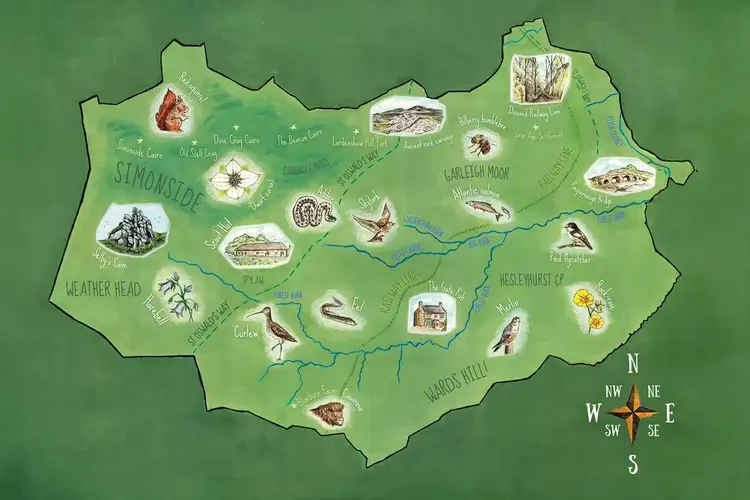
The Dukes of Northumberland owned the estate for almost 800 years, and it comprises Simonside hills, moorland, woodland and fields. It is also home to curlews, mountain bumblebees, eels, red squirrels and merlins (the UK’s smallest falcon).
Rothbury Estate, roughly the size of Athens, also features prehistoric burial cairns, an Iron Age hill fort, and the ruins of a 16th- or 17th-century fortified farmstead.
Enjoying this article? Check out our related reads…
On their website, Wildlife Trusts have showcased their vision for the future of the estate – a 64-kilometre (40-mile) nature corridor across Northern England from Druridge Bay in the east to the Scottish-English Border at Kielderhead and Whitelee National Nature Reserves, with the estate at its heart.
‘It is fantastic news that The Rothbury Estate has been successfully acquired by The Wildlife Trusts thanks to money raised by National Lottery players,’ said Heritage Fund chief executive Eilish McGuinness. ‘By working with local communities to develop new approaches to land management, this transformational project has the potential to deliver nature recovery at a grand scale, helping to reconnect people to the unique natural and cultural heritage of this remarkable and nationally significant landscape.’