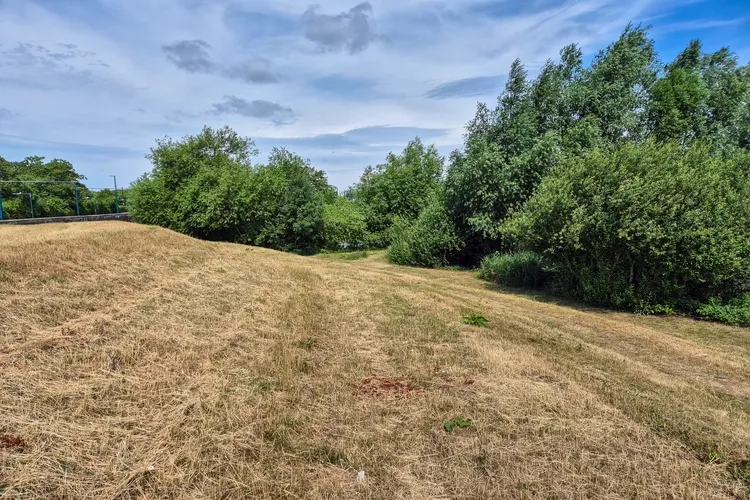
Nineteen counties in England recorded less than or equal to one millimetre of rainfall across the entire month
By
England and Wales have provisionally recorded their driest July on record – and southern England has seen its driest month since records began in 1836, according to data released by the Met Office.
Just 6.5mm of rainfall was recorded across England in July (10 per cent of its long-term average for the month), while 9.3mm of rainfall was recorded in Wales (9 per cent of its monthly average).
Southern England saw just 1.9mm of rain throughout the month, representing three per cent of its usual average.
Wales had its joint-warmest July on record for mean temperature, while the UK and England recorded their second-warmest July on record for mean temperature. The month was also extremely sunny – England and Wales experienced their sunniest calendar month ever observed.
Enjoying this article? Check out our related reads…
Such records come after a summer filled with heat records, contributing to drought conditions affecting half of England and the entirety of Wales.
‘The combination of record-breaking dryness, exceptional warmth and unprecedented sunshine has delivered one of the most notable summer months in our historical records,’ said Met Office science manager Dr Amy Doherty.
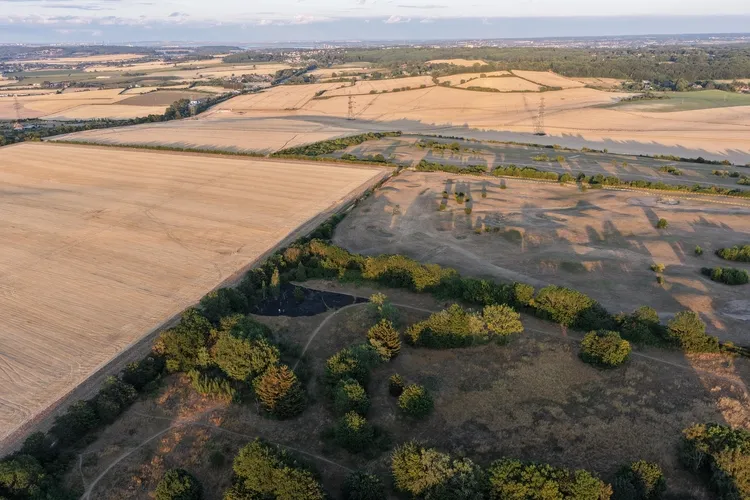
In total, nineteen counties recorded less than (or equal to) 1mm of rainfall across the entire month: Berkshire, Dorset, East Riding of Yorkshire, East Sussex, Essex, Gloucestershire, Greater London, Herefordshire, Isle of Wight, Kent, Leicestershire, Lincolnshire, Northamptonshire, Nottinghamshire, Oxfordshire, Rutland, Surrey, Warwickshire and West Sussex.
‘Dry weather depletes our water, while the hot conditions mean we use more of it. This is a difficult combination, and we are seeing the effects on our farmers, our wildlife, and the amount available for public and business use,’ said chair of the National Drought Group and director of water at the Environment Agency Helen Wakeham.
‘All sectors are taking action, and we are grateful to the public for following the restrictions, where in place, to make sure there is enough water for everyone this summer.’
In 2026, four months so far have seen above average rainfall (January, February, March and June), while three months have seen below average monthly rainfall (April, May and now July).