Government is on track to meet just six of its 43 individual targets and commitments for the environment – a figure worse than in both 2023 and 2024
By
The UK government is currently off-track to meet its 2030 environmental commitments, according to the latest progress report by the Office for Environmental Protection (OEP).
The new report outlines that the government’s actions now will determine whether or not key targets for biodiversity and the protection of land and sea are met, with it stipulating that the recovery of nature from its current state is a ‘prerequisite for prosperity, health and wellbeing’.
It warned that without immediate action, key targets for 2030 including halting declines in species and ensuring 30 per cent of land and sea is protected for nature, would be missed ‘on this government’s watch’.
Enjoying this article? Check out our related reads…
According to the report, the government is on track to meet just five of the 43 individual targets and commitments, partially on track for 16 and largely off track toward meeting 21 – figures that are slightly worse than in 2023 and 2024. On some measures, the UK is passing legislation that could actively harm the environment, such as the planning and infrastructure bill that could allow developers to build on currently protected nature sites.
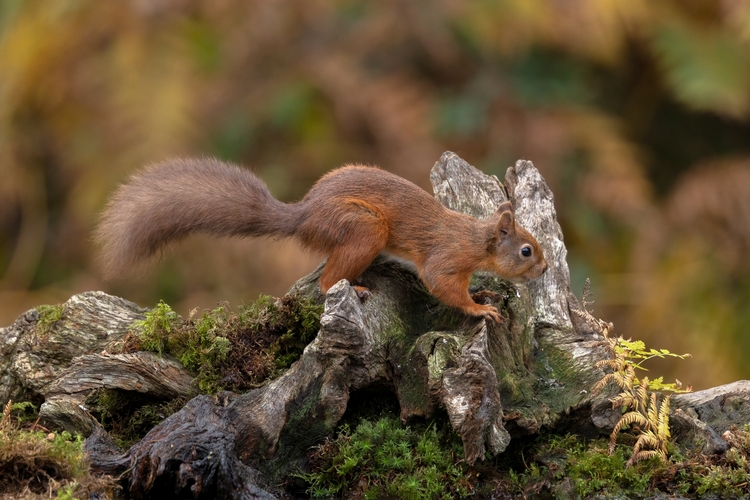
The biodiversity target – which means halting the decline of British species such as the red squirrel and hedgehog – will almost certainly not be met. According to the report, ‘Important species continue to decline. The opportunity to effect further change ahead of the 2030 target has now largely passed.’
One reason to explain such a marked decline in supporting biodiversity is that the government has made boosting its economic growth a key mission. This has sparked concerns from conservation groups that protected habitats and wildlife – such as newts and bats – are being seen as potential blockades for new housing and development projects.
‘Our report comes at a time when the government is focused on economic growth. Nature has a role to play here, an important role,’ said OEP’s chairwoman Dame Glenys Stacey. ‘It is not a blocker to growth, but it enables, drives and protects economic growth.’
As well as concerns over wildlife, the watchdog’s latest review of progress found that the goal of achieving ‘clean and plentiful water’ remains largely off-track.
While reforms and regulations have improved in recent years, the report stipulates that such changes have yet to deliver measurable improvements in water quality on the ground. In particular, climate change was identified as a growing risk multiplier for England’s waters. Hotter, drier summers increase pressure on water resources, while more intense rainfall raises the likelihood of sewer overflows and polluted run-off entering rivers and seas.
Some positive aspects of the report are clean air and action on the climate crisis. PM2.5 levels – fine particulate matter that comes from sources such as vehicle exhausts – and those of other pollutants are falling. As well as this, world-leading climate policies have been put into place by the government, such as not allowing any new oil or gas licenses in the North Sea.
However, ultimately, the report paints a bleak picture for successfully achieving many environmental goals by 2030.
‘The watchdog’s warning should ring alarm bells across Government, but sadly it comes as little surprise,’ said co-director of the Zero Hour climate and nature campaign Dr Amy McDonnell. ‘Nature has been allowed to descend into freefall, sidelined in political priorities as little more than a ‘nice to have’’.
‘Halting nature’s decline by 2030 should have been the bare minimum delivered this decade. Yet with the threat of failure now looming, it is clear that without nature’s restoration the UK’s ability to protect communities and the economy from a changing climate and extreme weather is dangerously off track.’
‘The Government has run out of time for warm words and watered down plans. Ministers must urgently scale up investment and critically shift towards an ecosystem-based approach to nature recovery.’