Annual plant hunt led by Met Office shows a significant relationship between warmer temperatures and increased plant flowering
By
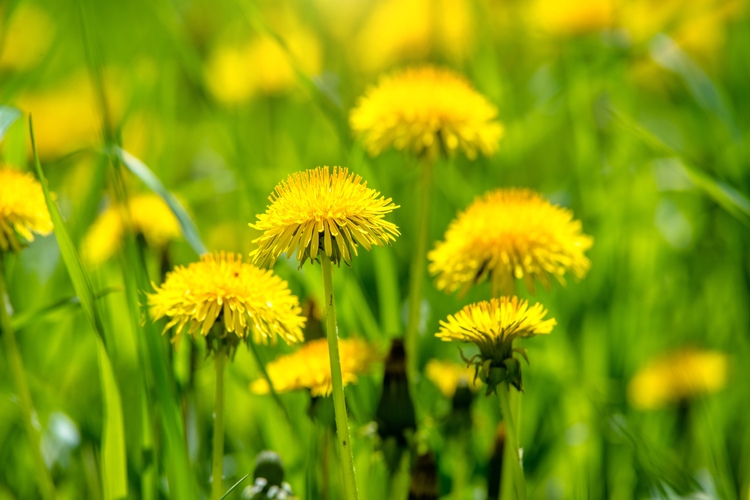
Hundreds of native plant species – such as daisies and dandelions – have begun to bloom during winter, a phenomenon that scientists describe as a ‘visible signal’ of climate change in the UK.
According to the Met Office – which conducted an annual plant hunt in 2025 – there is a significant relationship between warmer temperatures and increased plant flowering. The Met Office also found for every 1°C rise in temperature at a given location, an average of 2.5 additional plant species are observed in bloom.
Debbie Hemming, vegetation expert at the Met Office, said it was ‘tangible evidence’ that climate breakdown was directly influencing the world around us.
‘These findings underscore how rising temperatures and increasing climate extreme events are shifting the natural cycles of our plants and wildlife,’ Hemming said.
Enjoying this article? Check out our related reads…
The 2025 study recorded 310 native species in flower during the New Year period, far exceeding the ten species typically found for this time of year. Including non-native species, there were 646 flowering species in total.
Common wildflowers such as daisies and dandelions made the list, as well as non-native species such as Mexican fleabane and white and red dead-nettles.

‘This new analysis shows a very clear link between rising temperatures and impacts on our plant species,’ said scientist at Botanical Society of Britain and Ireland, Kevin Walker ‘This is yet further evidence that climate change is affecting our wildlife indiscriminately.’
One of the main impacts of plants flowering early is on insects. Pollinators and animals that rely on the timely production of nectar, fruit and seeds could be negatively affected – not all species can adapt to these changes as quickly as others.
In evolutionary biology, this is known as a ‘temporal mismatch’. Insects that are used to feasting on flowers in April might find themselves arriving several months too late if warmer temperatures mean plants now flower in February or Janaury.
Temporal mismatch can also wreak havoc for farmers and gardeners alike. If fruit trees flower early following a mild winter, entire crops can be killed off if blossoms are then hit by frost.