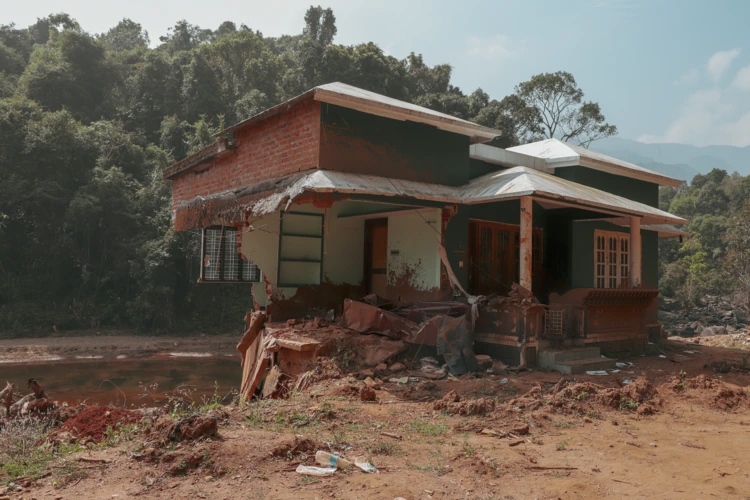
Through images, Jennifer Carlos documents the lives impacted by droughts, landslides and monsoons
Between 2015 and 2022, the Indian state of Kerala experienced 2,239 landslides, accounting for nearly 60 per cent of the 3,782 recorded across the whole of India. The Wayand district has been particularly badly hit.
Wayanad, in the Western Ghats of Kerala, in southern India, was once a haven of biodiversity, known for its dense forests, rolling hills and tea plantations. Now, it’s experiencing a series of unprecedented upheavals. Deadly landslides, erratic monsoons, extreme droughts and depleted farmland are forcing families to abandon everything, year after year.
Deforestation, unregulated urban expansion and intensive land extraction have disrupted the natural balance, turning this territory into a hotspot of catastrophe. Multiple scientific studies confirm that Wayanad is among the most landslide-prone areas in the entire Indian subcontinent.
Check out our related reads:
On 30 July 2024, a massive landslide buried entire villages, killing more than 400 people. But this was no aberration. Every monsoon brings more destruction. Every drought puts those who stay at greater risk. Farmers drown in debt, and some are driven to suicide. Tea plantation workers – women once deeply rooted in their land – now live in precarious conditions, with no long-term support from the state if they lose their jobs.
Despite the fear and the losses, people stay. They have nowhere else to go. They move their homes, adapt their routines and try to preserve some sense of normality. Here, climate change is not only measured in numbers, but in silences, absences and landscapes on the brink.
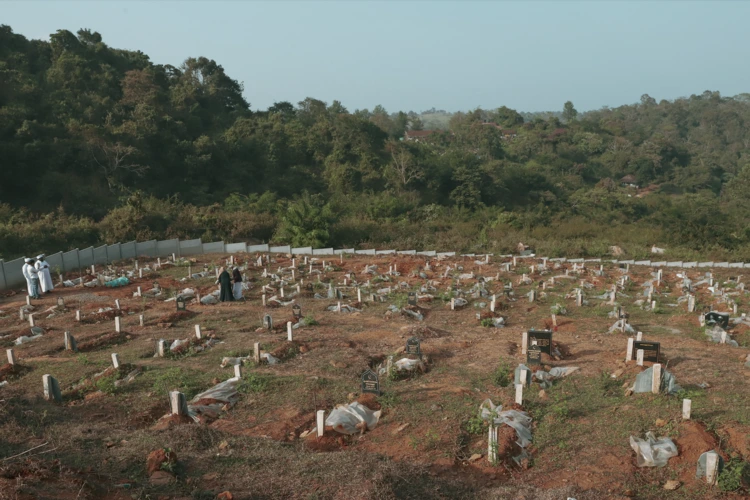
A makeshift cemetery with 31 identified bodies and the remains of 158 others – the landslide was so violent that it has been impossible to identify many of the victims

The landslide struck in the middle of the night, giving many of the village’s residents no time to escape

The path of destruction. The mudslide swept away most of the village

These handprints are the last traces of those who tried to hold on in a final act of survival as the mudslide engulfed their home

A bed suspended from the ceiling to escape the regular floods
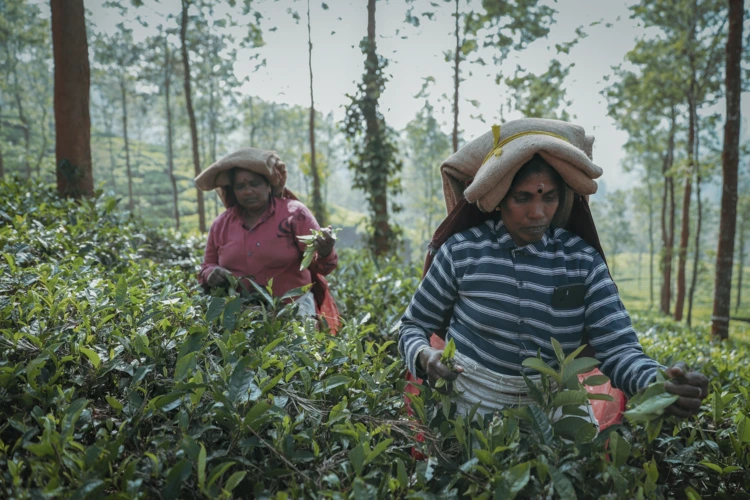
Despite the floods and mudslides, work on the tea plantation continues, but lay-offs are increasing as the land has become unstable
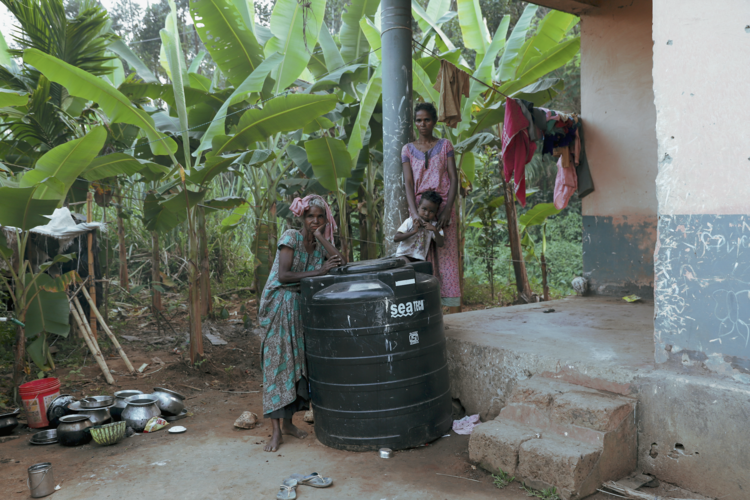
Every year, Bindu, her mother Kamal and her children have to move out of their home for three months and stay in a shelter as her home floods

Lakshmi, 60, points to the mark left by the last flood on the wall of her house. She said: ‘Before, we lived with the water. Now we can’t anymore – it rises too high, too fast’

When Beeran, 72, saw the river red and swollen with earth, he decided to evacuate his home with his wife, 67-year-old Sainada. He saved their lives but their home and all of their possessions were lost
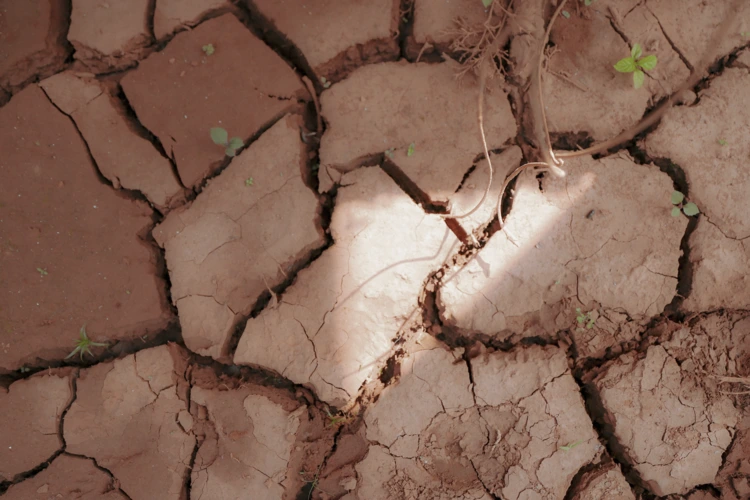
The soil of Wayanad, once fertile, is now cracking under the pressure of an increasingly unmanageable climate. It has lost its ability to retain water, becoming oversaturated during rains, then drying out almost instantly

Noufal, 42, survived the landslide but lost his wife. Consumed by guilt, he attempted to take his own life
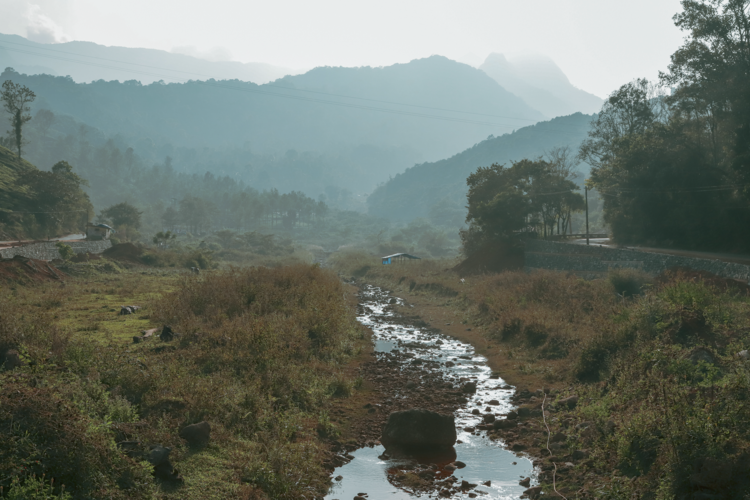
In August 2019, a surge of mud, trees and water wiped out the village of Puthumala, erasing houses, a temple, a mosque and a workers’ canteen