Ten per cent of the ocean is now protected, but new research suggests effective conservation covers a much smaller area
By Ebrima Saidy
Earlier this year, conservationists celebrated what looked like a significant milestone: 10 per cent of the world’s oceans had been designated as marine protected areas (MPAs). On paper, this is progress towards the United Nations Convention on Biological Diversity’s 30×30 goal to conserve 30 per cent of the planet’s land and ocean area by 2030.
New research has exposed a more uncomfortable reality. While 10 per cent of the ocean may be mapped as protected, researchers estimate as little as two per cent of the ocean is effectively conserved, as protection on paper does not always translate into meaningful conservation in practice.
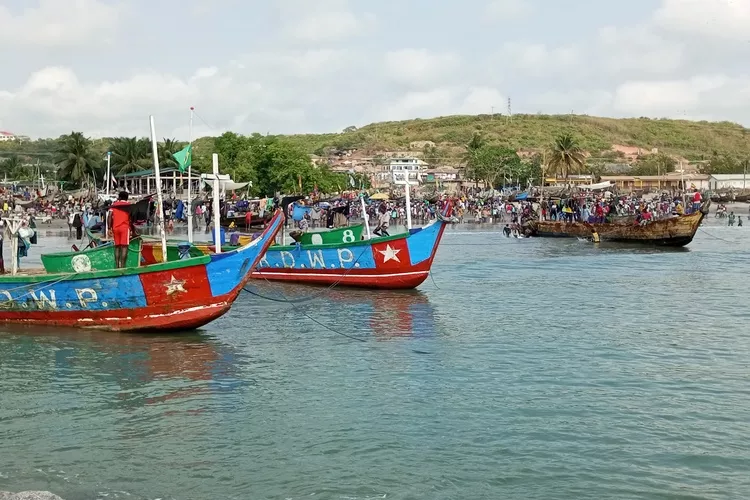
As someone who grew up in a fishing village in The Gambia, I have seen firsthand how healthy seas underpin livelihoods, culture and food security. I have also seen what happens when communities are excluded from decisions about the resources they depend on. Rules imposed from above are celebrated as progress, but they rarely function without local support.
Imposed under the Kunming-Montreal Global Biodiversity Framework and agreed by participating governments, this is a blind spot in the race to achieve 30×30. The people who depend on the oceans have been excluded from the decisions that impact them.
Enjoying this article? Check out our related reads…
Protected areas where local buy-in is limited struggle to deliver lasting conservation outcomes. Communities that are excluded from decision-making are less likely to support restrictions they see as unfair or disconnected from local realities. Conversely, when coastal communities have secure rights, meaningful authority and a stake in management, compliance and conservation become stronger and more durable.
Small-scale fishers have generations of knowledge about local ecosystems, and they have the strongest incentive to keep those ecosystems healthy because their families, livelihoods, and future depend on them.
Around the world, community-led fisheries management has repeatedly demonstrated its ability to improve stewardship while supporting local livelihoods. For instance, last year, Ghana committed to strengthening its Inshore Exclusion Zone, prohibiting industrial fishing vessels from waters traditionally used by small-scale fishers, while embedding co-management approaches that give communities a greater role in governing marine resources. The reform was driven by the need to protect livelihoods, food security and the long-term sustainability of local fisheries and conservation of vital coastal ecosystems.
This matters because industrial fishing and community stewardship are not equal forces. Across many coastal nations, small-scale fishers must compete with heavily subsidised and capitalised industrial fleets that can extract enormous quantities of fish while generating little, if any, local benefit, yet it is coastal communities that bear the costs when fish populations decline.
Some critics argue that community-led conservation is too localised to deliver change at the scale required by the biodiversity crisis. The evidence increasingly suggests the opposite.
The Transform Bottom Trawling Coalition, for instance, now brings together more than 150 organisations operating across more than 50 countries, uniting small-scale fishers, coastal communities and environmental groups around a shared vision for protecting coastal ecosystems while advancing social justice and food security. This demonstrates that community-led action is not a niche alternative to mainstream conservation, but is rapidly becoming one of the most credible and equitable pathways to achieving conservation outcomes at scale. The principle is simple: those closest to our oceans should help lead solutions.
The world has less than four years to deliver 30×30. There is a temptation to focus on headline numbers and declare success through ever-larger protected areas, but if these areas exist only on paper, we will have protected little more than polygons on maps.
The real challenge lies not just in reaching 30 per cent, but ensuring those protections work. To meet the goal, power, resources and decision-making authority must shift towards the coastal communities who steward marine ecosystems every day. Doing so will help to create protected areas that people believe in, support and help govern. This will transform 30×30 from a collection of empty administrative claims to a lasting foundation for healthy oceans and the coastal communities that depend on them.