Coastal forest loss in North Carolina has been speeding up after 2010, driven mainly by sea level rise
By
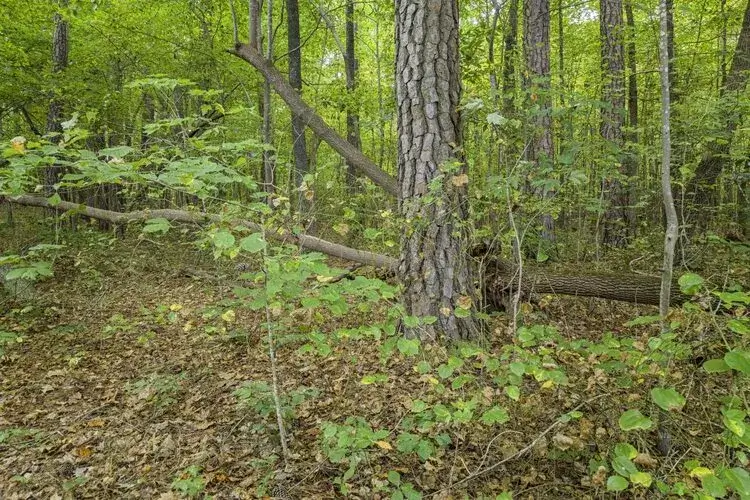
A study found that forest loss along North Carolina’s coast began to accelerate after 2010 and may still be speeding up. Using satellite imagery, researchers tracked how coastal forests in North Carolina’s Albemarle-Pamlico Peninsula dwindled from 1985 to 2021.
They found the state lost 21 per cent of its coastal forests, or around 64,220 hectares. In total, North Carolina lost more than 20 per cent of its coastal forest between 1985 and 2021.
Enjoying this article? Check out our related reads…
Around 40,000 hectares of that land were lost to marsh, ghost forest (a coastal area filled with standing, dead or dying trees), and shrub.
Sea level rise was the main culprit behind forest loss. As sea levels rise, saltwater spreads across forests, killing trees and turning them into ghost forests.
Dwindling forests worldwide
Over the last 10,000 years, the world has lost one-third of its forests, an area twice the size of the United States. Half of this loss occurred in the last century alone.
They are vital for regulating the climate, cleaning the air we breathe and filtering water. Forests also provide a habitat for more than two-thirds of terrestrial wildlife and plants, and are home to 300 million people worldwide.
Agriculture is the leading cause of deforestation, with beef production the largest driver. More than half of this occurred in Brazil, meaning Brazilian beef has contributed to around one-quarter of global deforestation.
Oilseeds are also a major contributor to deforestation, followed by forest plantations – used for wood and paper products – along with cereal production.
Most deforestation today takes place in the tropics, including South America and Africa, while most of Europe and many parts of Asia are seeing total forest cover gains. Conservation efforts to protect forests are expanding, with around 813 million hectares (20 per cent) of forests now legally protected, and 2.13 billion hectares (more than 55 per cent) under long-term management plans.
Still, despite afforestation and protection rising, the world is still losing forests at a rapid rate: each year, an area of forest is lost equivalent to the size of Costa Rica.