
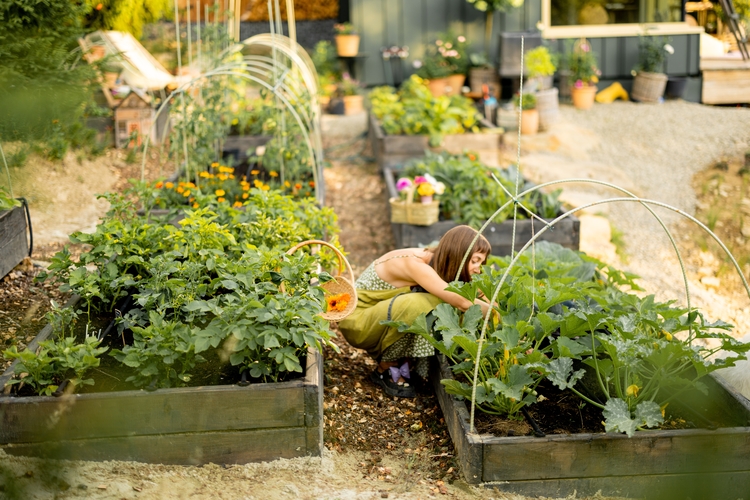
From growing lettuce in veg plots to having chickens in city gardens, urban farming is a growing and thriving trend
By
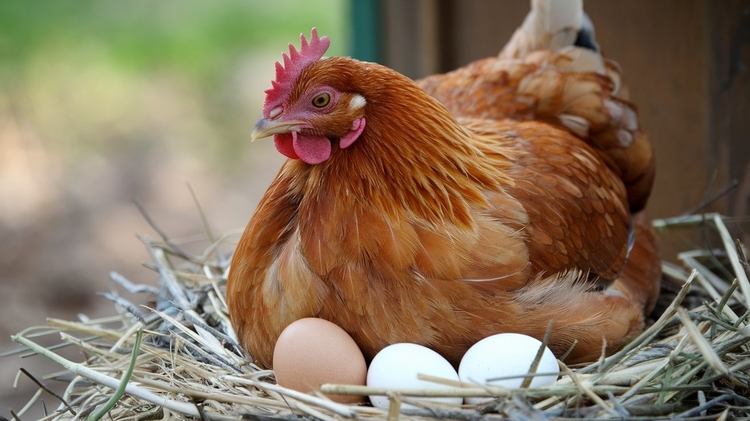
Each year, a healthy hen can lay around 250 eggs. While you might think this fact is only relevant to farmers, hens are becoming a seriously hot topic in urban cities. Against the backdrop of soaring food prices, just one hen can offset roughly £100 to £150 in egg costs.
Consequently, many city dwellers are turning toward urban farming to seek practical ways to take control of their food supply.
Enjoying this article? Check out our related reads…
According to DEFRA data, urban poultry ownership has risen by more than 30 per cent in the last two years. And research from the Soil Association shows families who produce part of their own food report 20 per cent lower food bills and higher wellbeing scores.
‘Backyard chickens are no longer just rural,’ said poultry expert from chicken product company Roosty’s, Tom Ferris. ‘We’ve shipped coop kits and starter accessories to hundreds of London and Manchester postcodes this year alone.’
But it’s not just hens that city residents are eager to snap up. Producing food in allotments is another growing ‘urban farming’ trend across the UK. A recent survey found almost 87 per cent of local UK councils surveyed experienced a noticeable increase in demand for allotment plots.
In London alone, 30,500 people are on allotment waiting lists. Sixteen boroughs are currently closed for applications, and even if you got onto a list, there could more than 3,000 people ahead if you applied in Newham, Lewisham, Harrow or Richmond.
In Islington, budding gardeners could be waiting up to 15 years for a plot, where just 106 allotments are available for 17,000 households that have no access to a garden.

As well as London, Bristol has an extensive waiting list of more than 7,600 people, along with Portsmouth – where around 6,200 people are in line for an allotment – and Edinburgh’s extensive list of 5,658.
The benefits of allotments are numerous. As valuable community assets, studies have shown that owning an allotment provides a wide spectrum of mental health benefits, as well as a connection and joy to seasons and weather. Clearly, getting involved in growing your own food – especially in urban places – is a force for good, both for the environment and yourself.
If allotments are too hard to get your hands on, though, there are other options available to grow your own food. Many urban dwellers are taking to their own gardens to grow fruits and vegetables – and its proven that households who grow their own consume 40 per cent more fruits and vegetables compared to those who don’t.
Shared community gardens also offer another opportunity to grow crops in urban spaces. Often ran by local volunteers, these spaces are known for positively impacting biodiversity and ecosystems. In one University of Texas study, community gardens were noted to improve the wellbeing of those who work in them, and helped to tackle loneliness.
While urban farming is thriving on a local level, it is also occurring at larger scales. North-east of London lies an area dubbed ‘London’s salad bowl’ for the produce it grows there. The area, known as Lea Valley, is made up of 450 acres of glasshouses. Here, 80 million cucumbers – three-quarters of the UK crop – are grown here, as well as 100 million sweet peppers, 25 million aubergines and thousands of tonnes of vine tomatoes.
Other farms in the capital include Harvest London, which uses vertical farming to grow produce for London restaurants and food services. In its farms, crops are grown indoors and stacked in vertical layers where they are then subjected to artificial light, water, temperature and humidity control.
Ultimately, urban farming is growing in the UK for both the everyday consumer and farmers alike. It’s an act that helps save money, stay healthy – and above all, makes a contribution toward a more sustainable and eco-friendly food supply.