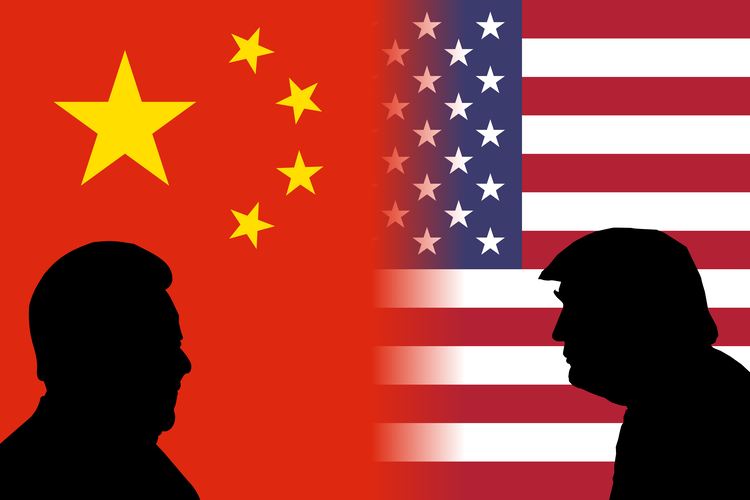

Beyond tariffs and trade deals, the visit highlighted a far deeper struggle over technology, influence and global power
By Tom Harper
As Trump’s plane left Beijing on Friday following his summit with Xi Jinping, his delegation was likely returning to Washington with a far clearer understanding of how much China has changed over the past decade – and of how difficult the next phase of the Sino-American relationship may become.
Unlike the country caught off guard by the trade war of 2017, today’s China appears far more confident, with Beijing increasingly assured of its strength vis-à-vis Washington. More importantly, the visit may ultimately be remembered less for any immediate agreements than as an early indication of how the balance of global power continues to shift.
Enjoying this article? Check out our related reads…
In contrast to the muted official Chinese coverage of the visit, Trump appeared to be aiming for a significant outcome. That much was evident in the make-up of his entourage, which included SpaceX’s Elon Musk, Apple’s Tim Cook and, in a late addition, NVIDIA chief executive Jensen Huang. Their presence underlined the extent to which the future of US–China relations is now tied not only to diplomacy, but also to technology, supply chains and artificial intelligence. While Trump may have arrived seeking immediate concessions, his team is likely to have left Beijing recognising that managing competition – rather than attempting to halt it – may become the more realistic objective for both powers in the years ahead.
At the same time, both Beijing and Washington increasingly appear to view their interests as fundamentally irreconcilable. Recent tensions over China’s export restrictions on rare earth minerals and US limits on semiconductor technology exports have only reinforced that divide. China’s model of state capitalism also remains a sticking point, criticised in Washington for encouraging overproduction and undermining World Trade Organisation rules. Even if limited concessions emerge from the visit, the deeper structural disputes between the two powers are unlikely to fade.
Instead, the trip may come to be seen as an early marker of a more entrenched era of economic and geopolitical competition between Washington and Beijing. Geopolitically, Trump also appeared to seek Chinese support over Iran and the growing instability surrounding the Strait of Hormuz. Beijing has signalled that it wants shipping lanes in the Gulf to remain open – a position closely tied to China’s dependence on Middle Eastern energy imports – though Chinese officials stopped short of offering any concrete intervention. Any broader Chinese cooperation would almost certainly come at a diplomatic price, particularly over Taiwan, which Xi reportedly again described during the summit as the central issue in Sino-American relations.
Beijing is likely to continue pressing Washington towards actively opposing Taiwanese independence rather than simply declining to support it, particularly after the recent approval of a US arms package for Taiwan. If the visit demonstrated anything, it may be that future negotiations between the two powers will become increasingly transactional, with concessions in one arena tied to disputes in another.
While the symbolism of Trump’s visit was considerable – he is the first US president to visit China in nearly a decade – the material outcomes are likely to be more limited. The most plausible result would be a deal in which Beijing agrees to buy more US agricultural produce and aircraft in exchange for some easing of tariffs on Chinese imports and restrictions on semiconductor sales. Combined with Chinese cooperation on fentanyl exports, such measures will almost certainly be framed by the Trump administration as evidence of diplomatic progress ahead of the midterm elections.
Yet the visit’s most significant legacy may be a growing recognition, on both sides, that a more stable Sino-American relationship is no longer optional for the global economy. The fragile but deeply interconnected international economy increasingly depends on some degree of cooperation between Washington and Beijing, even as strategic rivalry intensifies.
The underlying tensions between the two powers remain unresolved, but as Trump’s delegation departed Beijing, the broader lesson may have been that neither side can afford unmanaged confrontation.