Insurance against extreme weather events is being transformed by climate change
By
The increasing frequency and intensity of extreme weather events, made more likely by climate change, are already causing significant economic damage. Their potential to fundamentally alter the economic resilience of entire economies is prompting well-founded concerns at the highest levels of government, business and policymaking.
Questions undoubtedly arise from these weather events: how will insurance markets react, and what are the wider economic impacts? Who will foot the bill for larger claims, and how can financial security be balanced with the need for progress in climate adaptation?
Enjoying this article? Check out our related reads:
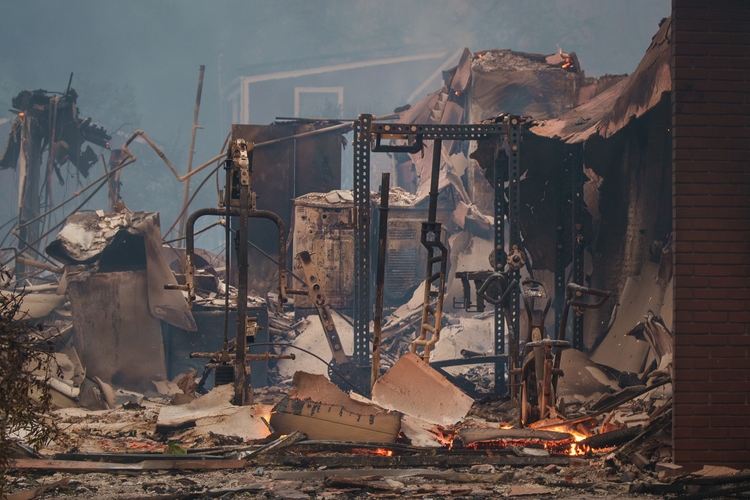
Climate change is increasing both the prevalence and severity of extreme weather events such as floods, storms and wildfires. This means the often high financial cost associated with these weather events is increasing over time. For instance, the period from 2000 to 2020 accounted for 75 per cent of all real hurricane damage over the previous century.
Insurance spreads financial risk across a large pool of policyholders, allowing those affected by events to recover losses, such as damaged property, after a flood. However, the insurance market is being forced to adapt because the events it protects against are changing dramatically.
Global insurance losses from wildfires and storms have been growing at an average annual rate of five to seven per cent in real terms, according to Swiss Re. Peak losses are estimated to rise to $400 billion in 2030, up from $320 billion in 2026. With such high losses bound to affect insurance companies’ profit margins, premiums are rising, or arguably even worse, insurers are withdrawing from high-risk areas. Either way, it is society’s most vulnerable who are the most at risk and face being left behind.
These processes are evident across the USA. In New York, home insurance rates have increased by 19 per cent since 2018. In Hawaii, it is more acute after wildfires in Maui in 2023 brought over $2.3 billion in claims. Some insurance premiums drastically rose by 54 per cent in a single year with larger increases for those living in condominiums. Many insurers are known to have fled Hawaii over cost concerns.
While insurance providers can change their premiums and geography of coverage with relative ease, in many cases, households remain rooted in the face of extreme weather events.
In advanced economies, governments are largely ‘insurers of last resort’. As traditional insurance markets struggle to keep up with changing risk patterns where more people are under threat from events in harsher ways, governments are likely to need to intervene to build new or develop existing frameworks.
In the UK, Flood Re is a joint scheme between the government and insurers, designed to keep home insurance affordable for households in areas at high risk from flooding. Insurers pay a levy into the scheme, which raises a cumulative total of £160 million every year. In addition, the EU’s European Insurance and Occupational Pensions Authority (EIOPA) and European Stability Mechanism (ESM) has proposed a Europe wide risk sharing system. The risk-based premium-financed insurance pool would be backed by a loan-funded mechanism for extreme events that exceed the pool’s capacity.
In the US, some states have Fair Access to Insurance Requirements (FAIR) plans, which provide insurance to those who can’t obtain it from traditional carriers. It is funded collectively by private insurers and is under increasing strain. In California, there was a 39 per cent increase in FAIR plan policies in the 2024-25 fiscal year as major insurance companies dropped policyholders due to concerns about the affordability of losses. The devastating wildfires in Los Angeles in January 2025, which damaged more than 18,000 buildings, are estimated to have cost the fund more than $4 billion, which is likely going to need to be offset by rate increases or government support.
Extreme weather events undoubtedly create significant economic costs. But it is also the likelihood of their harm that can simultaneously harm the wider financial system. As risk zones widen, a lack of insurance coverage – whether from unaffordability or unavailability – reduces property values and can make it challenging to get a mortgage.
If homes used to secure mortgages are not properly insured, they can rapidly lose value, increasing the chances of mortgage defaults. As such, this creates greater widespread risks for banks and lenders, weakening financial stability in risk-prone areas.
Can fossil fuel companies be made to pay?
Whether they are borne by households, businesses, insurance companies or governments, extreme weather events bring high costs at a time when budgets are already under increasing pressure on a host of fronts.
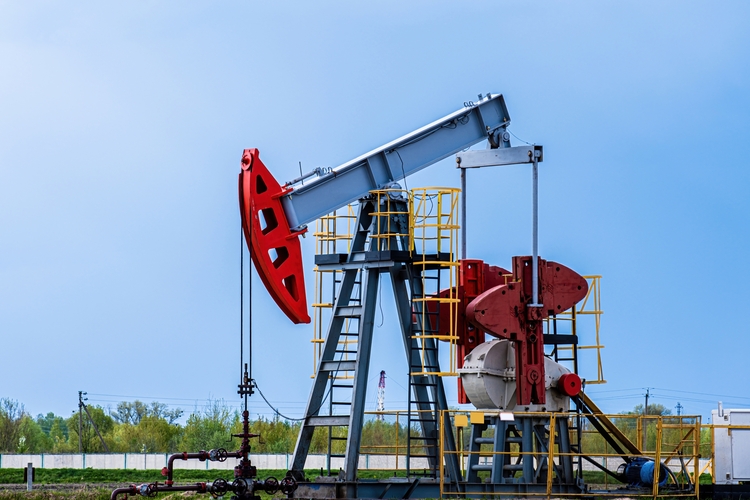
There is a push to make fossil fuel companies, many of whom are hugely profitable, pay for at least some of the damage. This is because of their disproportionate impact on the climate crisis, which makes these extreme weather events both more likely and more damaging.
Californian state senator Scott Weiner is the author of a bill that would empower California’s attorney general to sue oil, coal and gas companies to recover insurance costs linked to disasters made worse by climate change.
‘We have to ask, who’s not paying?’ said Weiner while speaking in support of his bill. ‘We know that the victims, the survivors, are paying in profound ways. Taxpayers are paying. And of course, policyholders are paying with much higher premiums. Who’s not paying? The answer is the fossil fuel industry, the corporations whose products fueled this crisis by fueling climate change.’
The states of New York and Hawaii are trying to pass similar legislation, but they all face significant opposition, including from oil industry trade groups such as the American Petroleum Institute (API), the USA’s largest fossil fuel group lobbying organisation.
Although it is not yet implemented and faces significant lawsuits, the passing of the Climate Change Superfund Act in New York, is a sign of encouragement in terms of making fossil fuel companies pay for their actions. It will require certain fossil fuel producers to pay into a state ‘climate superfund’ which will be used to pay for climate-related infrastructure projects and other climate-related expenses.
Balancing financial security with climate adaptation
Ensuring everyone is financially protected against the forces of climate change and ever more extreme weather events is crucial, but there is a real risk of an unintended consequence – restrained progress on climate adaptation.
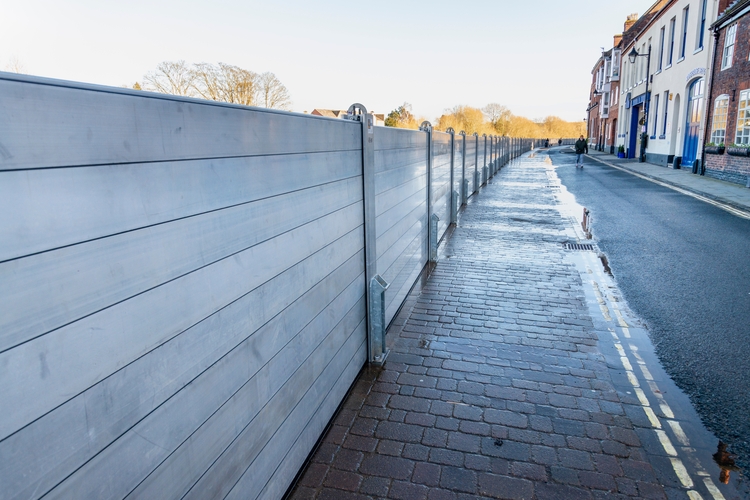
Improved insurance coverage in terms of affordability, availability, and quality can obscure incentives for climate change adaptation initiatives. It can create a distraction from the longer-term need to channel resources into, for example, building with more flood resistant materials. Something similar may be playing out in real time in the UK with the Flood Re scheme. It was proposed as a temporary scheme and is scheduled to end in 2039, at which point flood defences are hoped to be much stronger, along with better land-use planning.
But progress on adapting to flood risk has been slow in the UK. The House of Commons Public Accounts Committee reported in January 2024 that the government’s £5.2 billion flood defence programme was 40 per cent behind schedule. It would be unfair to link the delay to the Flood Re scheme, which has helped households manage rising insurance costs in flood-risk areas. Nevertheless, it highlights the difficulty in balancing financial security today with the need to respond to underlying risks.