Leaders have failed to come to an agreement on critical fisheries management measures to protect krill, penguins, whales and seals
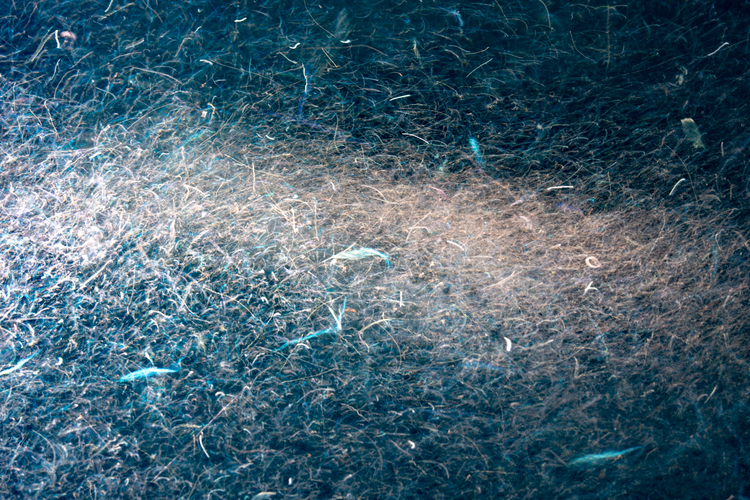
They’re small, but mighty. As a critical source of food for countless species, krill are vital in food webs across the world. As well as this, these creatures help to regulate Earth’s climate, playing a vital role in the ocean’s biological carbon pump.
Despite their value, a recent meeting with leaders in Australia failed to come to an agreement to protect the creatures. Now, WWF are calling for a moratorium on Antarctic krill fishing to protect krill and the wildlife that rely on them.
Enjoying this article? Check out our related reads:
Last week, the annual meeting of the Commission for the Conservation of Antarctic Marine Living Resources (CCAMLR) wrapped up lengthy negotiations.
Such conversations yielded no agreement on long-term improvements to the krill fishery or new designations of marine protected areas in the Antarctic Peninsula region. One of the most rapidly warming regions on the planet, it is also home to a large-scale industrial krill fishery.
For the first time ever, this fishery was forced to close early in 2025 after its entire 620,000-tonne annual quota was rapidly caught. The early closure was a consequence of a critical protection measure – which spatially distributed krill catch – being allowed to lapse in 2024.
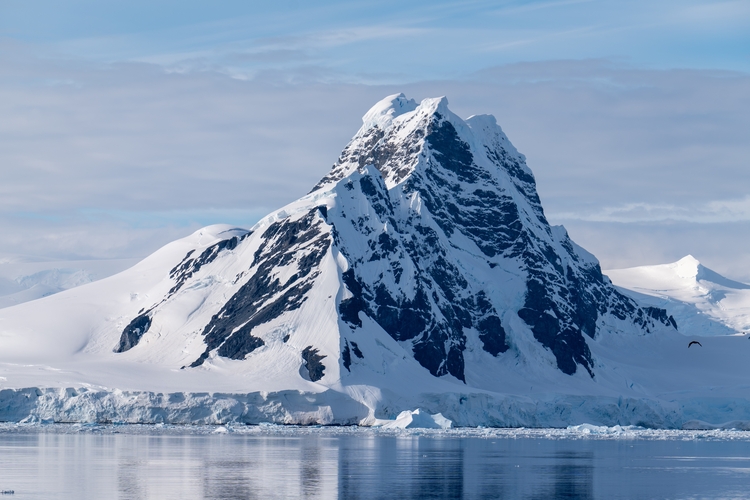
Due to CCAMLR’s failure to resolve this issue, the krill fishery will continue to be managed without precautionary regulations in place. This means the whole quota will be able to be taken from any small area around the Antarctic Peninsula – a hotspot for Antarctic wildlife, especially whales and penguins that rely on krill to survive.
As such, WWF is calling for a moratorium on krill fishing to protect these vital species until a new, highly precautionary and ecosystem-based management framework is agreed.
‘Antarctic krill are the superheroes of the Southern Ocean, sustaining incredible marine life, but climate change and unsustainable fishing are putting them at risk,’ said polar oceans programme manager at WWF UK, Rhona Kent.
‘With sea ice declining and industrial fishing growing, we urgently need CCAMLR to better manage the fishery and protect krill and krill predator habitats within a network of marine protected areas.’
Why are krill so important?
In the world’s oceans, there are more than 85 species of krill with a collectively biomass of more than 500 million tonnes. Since the 1970s, though, krill populations have been declining sharply, by around 80 per cent.
Krill help the climate by consuming both phytoplankton and algae at the water’s surface. Once full, they sink deep into the cold water and release carbon as faeces on the seafloor. Throughout their lifetime, they repeat this process, sequestering carbon like a conveyor belt. Each year, they remove an estimated 23 million tonnes of carbon in the Southern Ocean – the equivalent of the carbon produced by about 35 million gas-powered cars.
As well as mitigating climate change, krill are also the primary food source for the wealth of wildlife in Antarctica. They provide 96 per cent of calories for seabirds and mammals in the Antarctic Peninsula alone.