Discover the possible impacts to our planet if it continues to warm at such unprecedented levels – from ice sheets melting to Amazon dieback
By
Earlier today, scientists announced that Britain must prepare for at least 2°C of warming by 2050, a marked increase from the 1.5°C goal stipulated under the Paris Agreement.
While a 0.5°C increase may seem small, such a temperature rise – if on a planetary scale – would have a catastrophic and widespread impact upon many aspects of the world. For example, under 2°C of warming conditions, coral reef decline rates would be 29 per cent worse than in a 1.5°C scenario, and species loss among vertebrates and insects would be twice as high.
Enjoying this article? Check out our related reads:
- World’s first climate ‘tipping point’ reached as coral reefs experience dieback
- Rainfall linked to train crash more likely due to climate change
- Geo explainer: How is climate change making flooding worse?
- The innovative solutions tackling climate change
- Forests lagging behind in adapting to climate change, new study finds
Here are some of the impacts that the planet could face if a 2°C warming scenario occurs.
1) Greenland and Antarctic ice sheet collapse
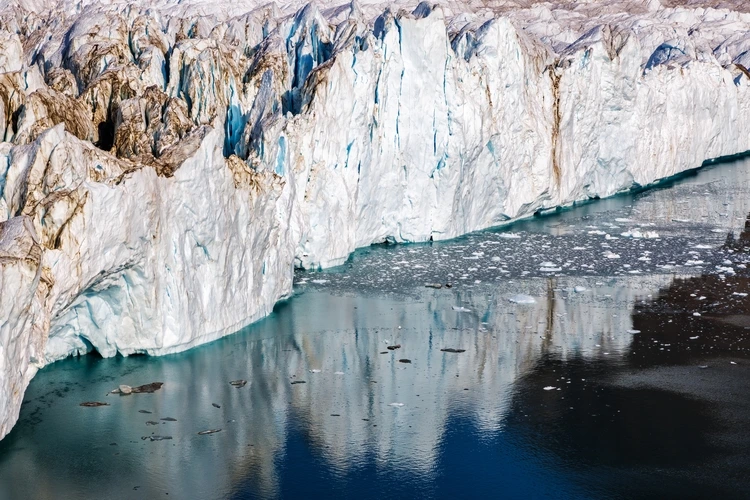
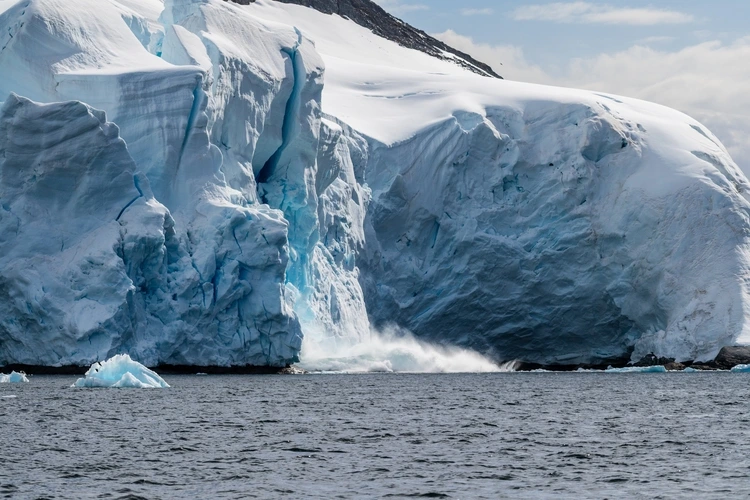
Together, the ice sheets on Greenland and Antarctica hold enough ice to raise global sea levels by 65 metres.
According to a report by the International Cryosphere Climate Initiative, global warming of 2°C would lead to ‘extensive, long-term [and] essentially irreversible’ losses from these ice sheets. If such temperatures became the new normal, the planet would experience sea level rises between 12 and 20 metres.
Today, the loss of ice from Greenland is three times greater than what it was 20 years ago, while Antarctica’s loss of ice is six times greater than it was 30 years.
2) Ocean deoxygenation
Already, human activities have caused ocean deoxygenation in both coastal environments and the open ocean. Around two per cent of the oxygen content in the ocean has been lost since the 1960s.
Essentially, deoxygenation describes the overall decline in the oxygen content in oceanic waters, a situation that spells disaster for animals and plants living in waters that depend on oxygen to survive.
If temperatures continued to rise, warm surface layers in the ocean would continue to prevent oxygen from mixing deeper into the ocean. Such mixing is vital for species lower down to carry out important life processes.
3) Slowdown of Atlantic Meridional Overturning Current (AMOC)
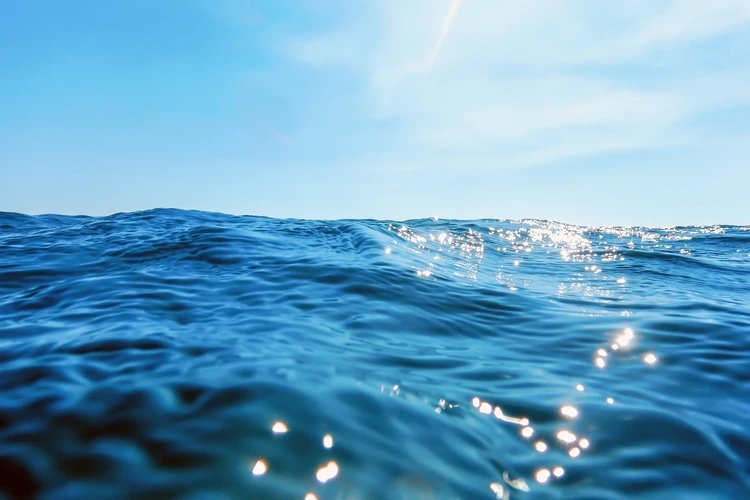
Ocean waters are constantly circulated by currents, and one of the major ones in the world is the Atlantic Meridional Overturning Circulation – otherwise known as the AMOC.
The AMOC circulates water from north to south and back in a cycle within the Atlantic Ocean, helping to bring warmth to areas around the world and carrying nutrients necessary for oceanic life.
If warm planetary temperatures persist, some climate models have shown that the AMOC could reduce in strength by at least 34 to 45 per cent, reaching a critical breaking point by 2100 – at which point the entire system could be rendered ‘permanently unstable’.
4) Arctic summer sea ice loss
Summer sea ice in the Arctic is shrinking by 13 per cent each decade, and sea ice cover continues to be younger and thinner. Such changes put marine wildlife like narwhals, polar bears and walrus at risk, and threaten the viability of ecosystems.
If global temperature increases can be limited to 1.5°C, summer sea ice may still be retained in the Arctic. But if 2°C of warming is reached, Arctic summer ice will be lost within decades.
5) Amazon rainforest dieback

If, combined with warming temperatures, forest cover were to be reduced in the Amazon thanks to human-induced deforestation, there is the potential for the Amazon climate to move to a state where it can no longer support the rainforest there.
Drier, hotter climates are also likely to lead to an increase in wildfire and soil erosion, expanding savanna vegetation at the expense of rainforests.
Passing a tipping point in the Amazon would certainly lead to impacts in the immediate region, but could also have far-reaching effects to other places by influencing moisture transport and altering large-scale atmospheric circulation patterns.
6) Coral reef collapse
Under a 1.5°C warming scenario, between 70 and 90 per cent of coral reefs would decline in global waters. However, under 2°C, almost 99 per cent of coral reefs worldwide would disappear, eradicating vital ecosystems and essential coastal protection.
Already, some scientists have posited that coral reefs have reached a tipping point and now face long-term decline thanks to warming temperatures. Since 2023, coral reefs have been subject to a global bleaching event, with more than 80 per cent of reefs in more than 80 countries impacted.
7) Permafrost thaw
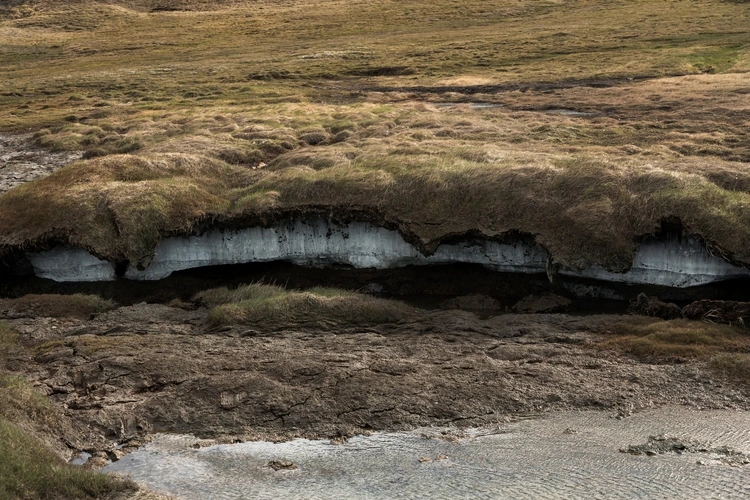
Containing a mixture of organic material, plants and dead animals, permafrost has been frozen since the last ice age 11,000 years ago. It covers 24 per cent of the surface of land masses in the northern hemisphere, and accounts for nearly half of all organic carbon stored within the planet’s soil. However, as the Arctic begins to melt – and it will increasingly do so as planetary temperatures rise – permafrost is beginning to thaw with effects not yet fully realised.
Some scientists project it will release huge quantities of carbon, or become a source of heat itself – making soil temperatures rise and contributing methane into the atmosphere. Already, scientists know that permafrost can contain viruses – since 2004, four ancient viruses have been uncovered in previously frozen soil.
8) Decline in marine fisheries
One study has projected that a 2°C warming scenario would cause a three million tonne decline in global annual catch, double the decline expected at 1.5°C of warming.
This is because a warming ocean reduces nutrient flow from deeper waters to surface layers, where many fish live. It also decreases the quantity of phytoplankton living near the sea surface, undercutting the foundation of the marine food web.
Even higher temperatures spell worse news for fisheries. In the event of a 3ºC or 4ºC rise, nearly 50 countries and territories would face a reduction of 30 per cent or more in their exploitable fish.
9) Reduction in crop yields
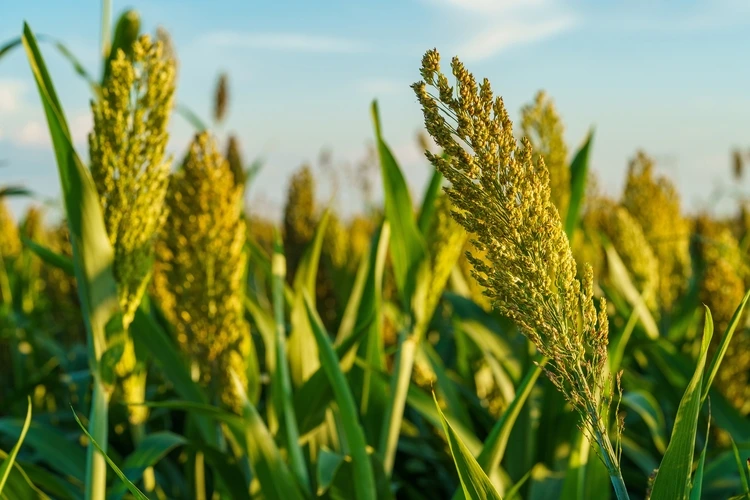
Researchers have estimated that for every additional 1ºC of warming, the world’s ability to produce food will be dragged down by 120 calories per person per day, or 4.4 per cent of daily consumption.
In particular, projected losses for US agriculture are steep. For example, places in the Midwest well-suited for present-day corn and soybean production are likely to face decreased yields in a high-warming future.
By 2100, field yield losses may average 41 per cent in the wealthiest regions, and 28 per cent in the lowest income regions.
10) Sea level rise
Rising global temperatures are the primary course of sea level rise. As of 2023, global sea levels have risen 21cm since 1900. This rising water level is mostly due to a combination of melt water from glaciers and ice sheets, as well as expansion of seawater as it warms.
If temperatures continue to rise, it can be expected that sea levels will increase. Such rises pose great risk to coastal communities – in the US, almost 30 per cent of the population lives in coastal areas. And globally, eight out of the ten largest cities are near a coast.