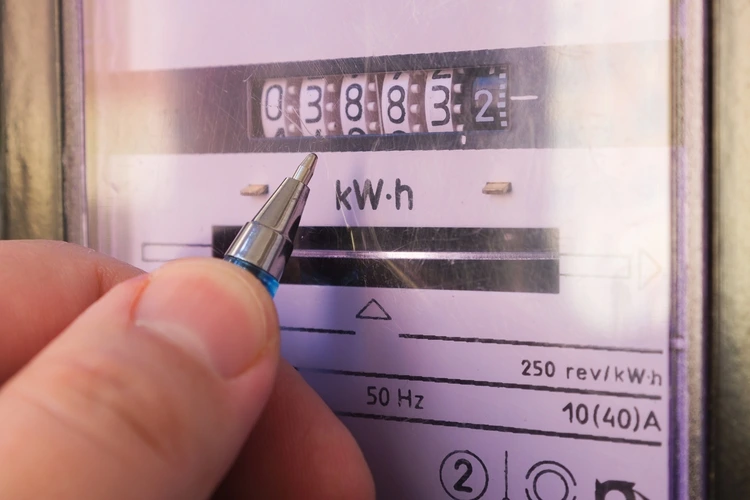
Discover which countries around the world use the most electricity per capita
By
Electricity has been around since about 600 BC. Greek philosopher, Thales of Miletus discovered that rubbing amber on animal fur would make it become electrically charged and attracted objects. It’s come a long way since then. Now, electricity is as simple as flipping a switch on and off.
Electricity can come from renewable and non-renewable sources. Renewable energy sources include hydropower, wind energy, solar energy, geothermal energy and tidal power. Non-renewable generation sources include natural gas, coal, crude oil, and nuclear energy. Clean energy sources are natural and replenishable, producing little to no greenhouse gases, making them crucial for combating climate change.
Below are the top five countries that used the most electricity per capita in 2024, in reverse order, ranked by demand per capita (kWh).
Russia – 8,237 kWh

Russia ranks fifth with electricity use per capita – 8,237 kWh in 2024, increasing from 7,200 kWh in 2023 with a 39.9 per cent increase from 2000. Electricity production matches demand, driven by a growing population and economy. Russia has a population of 143 million, and in 2023, Russia’s total electricity production was 1,161,811 GWh.
44.8 per cent of Russia’s electricity is consumed by industries, 22 per cent is residential, 19.9 per cent is used by commercial and public services, and finally, 10.4 per cent goes to transport. In 2024, 64 per cent of Russia’s electricity was generated from fossil fuels, and Russia’s largest source of clean electricity is nuclear Wind and solar-powered electricity make up less than one per cent, far below the global average of 15 per cent.
Australia – 10,543 kWh
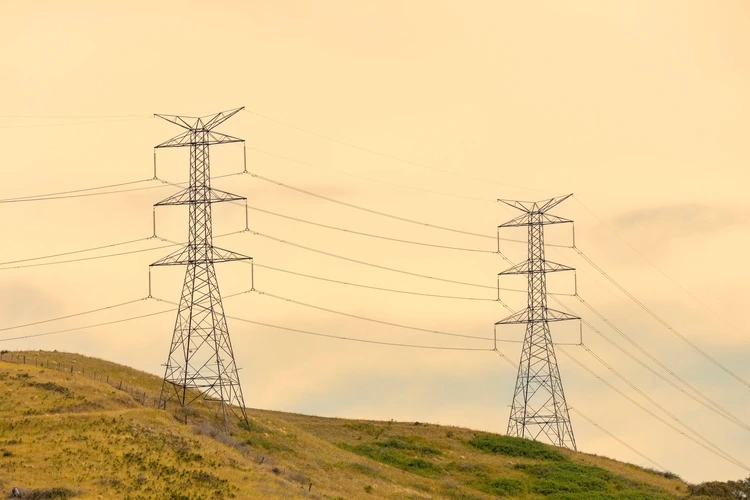
Australia’s electricity use per capita is 10,543 kWh, decreasing by seven per cent since 2000. The total electricity production in 2024 was 279,708 GWh.
36 per cent of electricity goes to industries, (mainly manufacturing industries). 31 per cent goes to residential households, while 30 per cent goes to commercial and public service and 3.1 per cent goes to transportation. The average quarterly electricity bill in Australia ranges between $290 to $370 Australian Dollars (£140 to £180). Unsurprisingly with their hot climate, 40 per cent of Australia’s household electricity usage goes towards cooling.
South Korea – 12,092 kWh

South Korea is known for its bright, glowing cities reliant on electricity, so it’s no wonder the country is third on the list. Since 2000, South Korea’s electricity use per capita has increased by 94.7 per cent. 50 per cent of electricity is used by industries, while 31 per cent is consumed by commercial and public services. Seoul is a city that runs well into the night and early morning hours, contributing to electricity usage.
In 2024, South Korea’s total electricity production was 607,349 GWh, and its largest clean energy source is nuclear (30 per cent).
US – 12,741 kWh
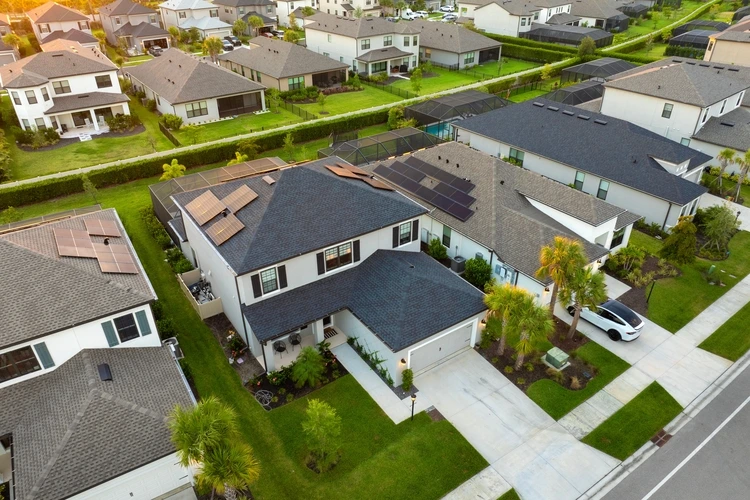
The US is second with 12,741 kWh of electricity usage per capita, decreasing 6.5 per cent since 2000. The high usage reflects the countries sprawling infrastructure, high air conditioning use and expansive industries. The US’s total electricity production in 2024 was 4,573,185 GWh. 42 per cent was generated from natural gas, while 18 per cent was nuclear.
38 per cent of electricity consumed in the US in 2023 was residential, 34 per cent was commercial and public services and 21.7 per cent was industries. Texas is the US state that uses the most electricity, consuming 492.8 terawatt-hours in 2023. It is also the second most populated state in the US.
Canada – 15,708 kWh

Canada is first, as electricity use per capita is 15,708 kWh. 35 per cent of electricity is used by industries, the highest consumers being paper manufacturers and metal manufacturers. 33 per cent went to residential, as people heat their homes during Canada’s long and cold winters. 55 per cent of Canada’s electricity is generated using hydropower.
100 per cent of Canada’s population (more than 40 million) have access to electricity. Quebec is the Canadian province that uses the most electricity, accounting for 37.5 per cent of the national usage in 2021.