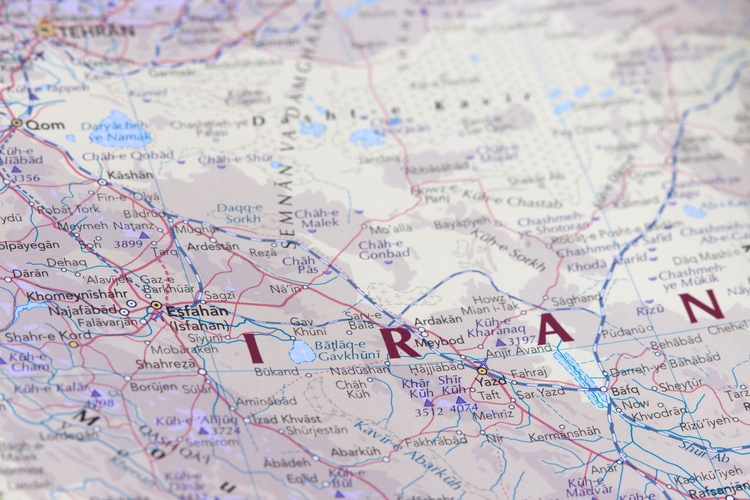
The impact of the Iran war has left many regions and industries reeling, while others have found themselves unexpectedly insulated from the worst effects
By
Around the world, the effects of the Iran war are being felt far beyond the conflict zone. From fertiliser shipments failing to reach African farmers to rising household bills in Europe fuelled by higher oil costs, a conflict in one region is sending ripple effects through economies, industries and regions worldwide.
For most, the consequences are unwelcome and severe. Yet amid the disruption, some are finding themselves in a position to benefit.
Below, we look at some of the regions, businesses and industries impacted by the Iran war in very different ways:
Related reads…
African food systems under threat
According to World Food Programme estimates, 45 million people are at risk of the most acute levels of food insecurity as a result of the Iran war, joining 318 million people already impacted by food insecurity around the world.
Food insecurity is arising because a significant portion of the world’s fertiliser production has ceased due to the conflict – as the Strait of Hormuz is a vital corridor for fertiliser transportation. In turn, this is affecting the annual planting season in much of the Sahel and the Horn of Africa. Already, these regions are threatened by food insecurity due to armed conflict, extreme weather events and a potential El Niño weather event.
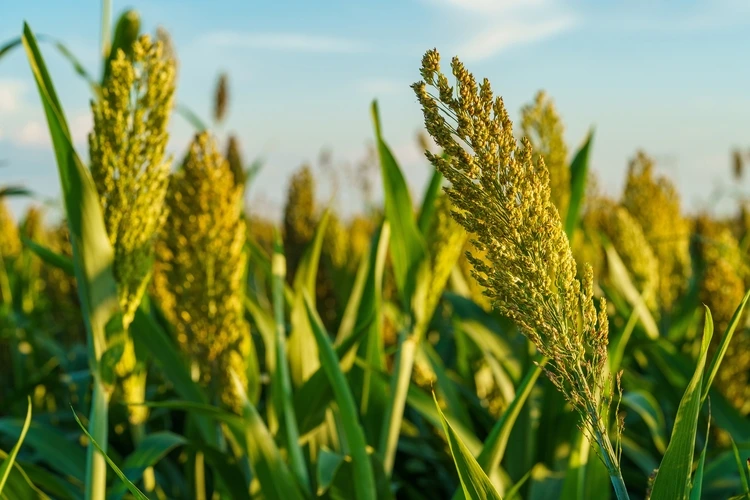
Apart from immediate market disruptions, the current shocks are likely to have cascading, longer-term impacts. Rising fertiliser prices and limited supplies may reduce agricultural output in future planting seasons, particularly in countries that are heavily dependent on imported fertilisers.
Prices of urea – a popular fertiliser – have reportedly increased by more than 50 per cent in markets such as Brazil and the US. While some farmers may be able to cope with this price surge, many are left unable to use fertilisers due to financial constraints.
Assessments by the Food and Agriculture Organisation of the United Nations (FAO) have shown that such prices could reduce yields of staple crops such as wheat, maize and rice, threatening low-income, food-importing countries.
The shipping squeeze
Around the world, the shipping industry is being impacted due to the Iran war, with cascading impacts on critical supplies making their way across the globe.
The Strait of Hormuz – the 167-kilometre-long waterway between the Persian Gulf and the Gulf of Oman – is a major corridor for many goods, especially oil. Around 20 million barrels of oil normally pass through Hormuz each day, and roughly one-fifth of global petroleum consumption depends on the route. However, Iran’s blockade triggered the largest oil supply disruption in history.

Experts say the oil market may face a new reality after the Iran war, with exports not returning to levels once considered normal.
But it isn’t just oil that is facing blockades; other goods are also affected. For example, the transport of sulphur – a critical energy material – is currently at a standstill. Nearly half of all global seaborne sulphur trade passes through Hormuz, but delays in its shipment are causing industrial slowdowns in Indonesia and the copper belt of Africa.
Methanol – a key chemical used in resins, coatings and plastics – is also transported largely via the Strait of Hormuz. Slowing down this transport is impacting China in particular, the world’s largest methanol buyer.
In addition, monoethylene glycol (MEG) – used for polyester fibres, packaging and textiles – is a significant export for the Gulf, with around 6.5 million tonnes shipped in 2025 alone. Delays are causing shortages in China, with Asian buyers now turning to suppliers in the US. Such a shift could drive the prices of MEG higher.
Airline impacts

The Middle East and Gulf link Europe, Asia and Africa together and serve as major long-haul corridors for airlines. However, in the wake of the Iran war, airspace restrictions have complicated planes flying in and out of these so-called ‘aerotropolises’.
Airspace restrictions caused by the conflict have forced airlines to reroute flights, increasing the quantity of fuel used. As well as this, disruption to oil supplies has increased the cost of fuel itself – both factors contributing to rising air fares.
The lowest-priced economy tickets now cost 24 per cent more on average than they did a year ago, according to research from the consultancy Teneo. The biggest impact on ticket prices is on routes between Europe and East Asia. A flight from London to Melbourne in June costs 76 per cent more than in 2025, and a flight from Hong Kong to London has increased in price 72 per cent.
Airlines operating out of the UK have warned that if conflict persists, flights will likely be cut and prices will rise even more.
In general, the industry is likely to remain ‘operationally resilient but financially polarised’, according to the Royal Aeronautical Society, as weaker airline carriers will face disproportionate stress. Already, US aviation operator Spirit Airlines has shut down after rising oil prices driven primarily by the Iran war.
Gulf states under pressure
For decades, Gulf states have been regarded as the most politically and economically stable states in the broader Middle East. However, due to the Iran war, this reputation has come under threat.
‘The Gulf’s image as a safe haven has certainly been shattered in the short to medium term,’ said Gulf observer at the Berlin-based Middle East Minds think tank Pauline Raabe.
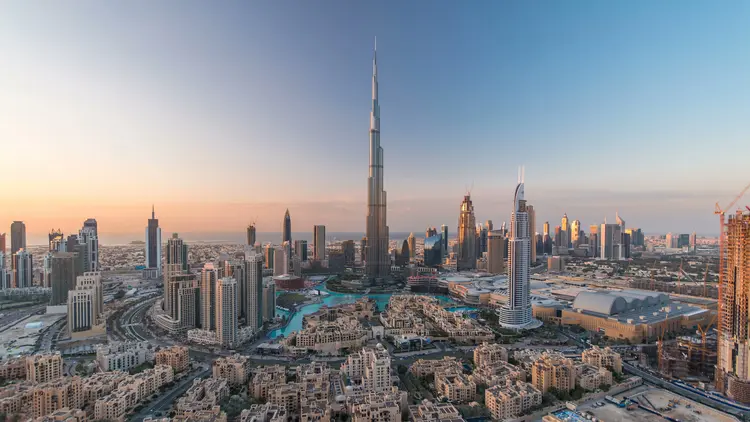
Because of such tensions, shifts have been felt in the tourism sector in Gulf states. Several airlines are still operating reduced schedules, and analysis has shown that hotel occupancy in Dubai – the largest city in the United Arab Emirates – will likely plummet from 80 per cent to 10 per cent in the second quarter of 2026.
As well as tourists reconsidering visiting the Gulf states, many foreign workers – who comprise a significant foundation of the Gulf economies – also fled the region in the wake of the war. Reportedly, tens of thousands were thought to have left, with many of these workers in construction, domestic work and the service sector – jobs that many citizens would otherwise avoid due to the nature of the work as well as wage levels.
Residents leaving the UAE could also face another complication: the risk of losing tax-free status. However, the nation has relaxed its tax rules to entice fleeing expats back into the country.
Rising consumer bills
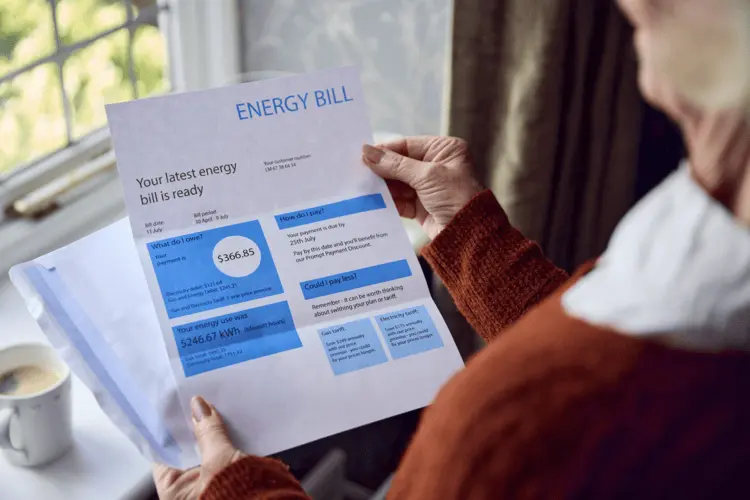
Around the world, energy prices are soaring because of the conflict in the Middle East, and governments are responding in various ways to help mitigate these costs for consumers.
In the UK, household energy prices will rise by 13 per cent a year in July, meaning a household using a typical amount of gas and electricity will pay £221 more per year. To combat this, Britain plans to push older wind and solar generators onto fixed contracts to reduce energy bills.
In Greece, Athens has announced €500 million in extra aid to households and farmers struggling with the impact of the war; while in Brazil the government announced measures including subsidies for diesel and liquefied petroleum gas. Elsewhere in Pakistan, the nation plans to boost domestic storage for crude oil and refined products to increase energy security.
Europe’s oil and gas companies
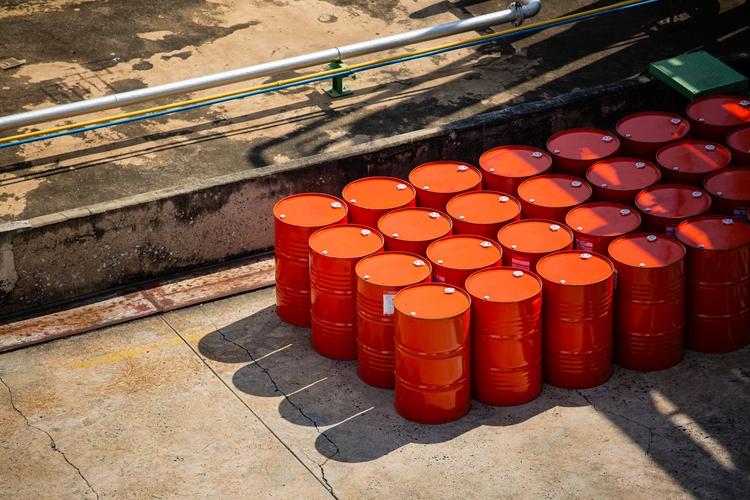
European oil giants have seen sharp increases in oil prices, with Brent crude pushing $100 per barrel. This uptick has invariably boosted their profits.
BP’s profits more than doubled to $3.2billion for the first three months of the year. As well as this, Shell – Europe’s largest oil company – reported a rise in its first-quarter profits to $6.92billion.
Such steep profits for Shell have been successful in offsetting the impact of a production shutdown at Qatar’s main liquefied natural gas facility. The shutdown previously forced Shell to declare force majeure on deliveries from the facility to customers.
Norway’s state-owned oil company, Equinor, has also been a major financial beneficiary of the Iran war. It is Europe’s largest gas supplier and has no production assets in the Middle East. In the fortnight following the advent of the Iran war, its Oslo-listed shares climbed by more than 20 per cent.
US’s partial protection from oil shortages

Compared to other economies, the US has been better shielded from rising oil prices due to its vast domestic oil production. It imports oil primarily from Canada and Latin America, meaning it is less exposed to disruptions in Middle Eastern supplies.
Also, the nation is the world’s largest producer of crude oil, producing far more energy domestically than most European or Asian economies. Every day, on average, the US exports more than six million barrels of refined products and more than four million barrels of crude oil.
US production comes from 32 states, but the biggest producers are Texas, Alaska, North Dakota, New Mexico, Oklahoma and Colorado. Because revenue comes to companies in the US, the nation’s GDP is less vulnerable to oil price increases than in the past.
However, this doesn’t stop American consumers feeling the effects of rising fuel costs. When the Strait of Hormuz is disrupted, crude prices are likely to rise everywhere – including in the US. This can have knock-on effects; research shows people tend to put off major durable goods purchases – such as cars – when oil prices rise. But on the flip side, this could encourage more Americans to consider buying electric cars.
Defence’s dividends

In any conflict, one of the most immediate beneficiaries is the defence sector. Lockheed Martin, Boeing and Northrop Grumman – some of the biggest defence contractors in the world – reported having record order backlogs by the end of the first quarter of 2026.
Already, billions of dollars have been spent by the US on weapons in the Iran war. In particular, the nation is using Tomahawk missiles – long-range, subsonic cruise missiles designed for precise land strikes – as well as $35,000 drones, warfare jets and naval assets. It is estimated that the war in Iran costs the US two billion dollars each day, according to war budgeting expert Linda Blimes.
However, despite the surge in defence companies’ profits, shares in defence firms have fallen since around mid-March, after growing fears the sector is overvalued.
Overall, Iran appears to have suffered the greatest impact from the conflict. More than 3,000 people were killed throughout Iran during the war, and early estimates project the nation has been hit by $270billion in direct and indirect damages.
Extensive damage has occurred to Iran’s infrastructure, such as petrochemical companies, steel plants, aluminium factories and oil and gas facilities. As well as this, bridges, ports and railway networks, universities and research centres, water desalination plants and power plants were also directly hit. A large number of schools and civilian homes have also been damaged or destroyed.