Some stork populations in Europe are swapping long-distance migrations for easy-to-eat discarded food in rubbish dumps, raising health concerns
By
Storks in Europe are facing weight gain from a diet of ‘junk food’ from landfills, new research has found.
While a landfill can provide an appealing and convenient meal for these birds in Europe, the latest research – which focused on white stork populations in Poland – suggests a short-term energy boost may be masking hidden long-term health effects.
Storks usually migrate from Europe, crossing the Mediterranean to spend winter months in eastern and southern Africa. There, the birds play a critical role in countries such as Tanzania and South Africa by controlling agricultural pest populations, particularly locust swarms. Without storks making this journey, African farmers face significant financial burdens to control insect outbreaks themselves.
Enjoying this article? Check out our related reads…
The once-endangered species may benefit from these quick-fix meals, as they can grow and save energy – thus increasing their populations – but such foods are thought to be altering their bodies in new and not fully realised ways.
Storks can feast on a variety of items, from human food waste, meat scraps like leftover steaks, rodents and earthworms. These types of food are considered ‘junk food’ for birds because they are low in quality but high in energy.
Early findings indicated that storks feeding on landfills tend to have higher body mass and energy stores than those that forage naturally. But this may come at a cost: researchers found evidence of DNA damage linked to landfill diets in young birds aged just one week old. Such landfill sites also expose birds to wires, glass, heavy metals and plastics.
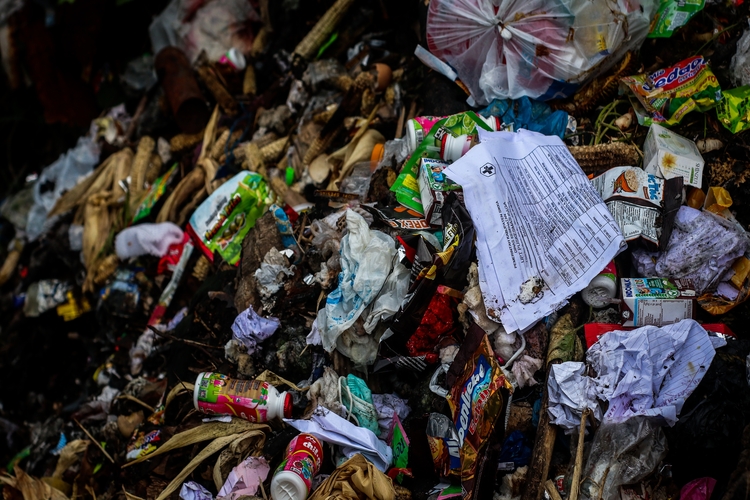
‘It is true that it can be damaging for individual storks to eat these types of food that can have contaminants and diseases. But from a population perspective, if you had 500 storks going to a landfill site, maybe a few will die from eating these contaminated items, but the majority will actually benefit from having extra food,’ said ecologist at the University of East Anglia, Professor Aldina Franco, who was not involved in the study.
However, landfills as a source of food are not certain in the future: open landfill access in Europe is decreasing as changes to waste management policies get underway. For storks that rely on them for food, this could be detrimental.
On the one hand, we are very happy to provide food in our gardens through bird feeders. The landfill sites are waste that we don’t use, and the question is: shouldn’t we allow some species to benefit from these resources that we no longer need? The white stork populations were declining until the 1980s. They disappeared from several European countries, and now they have been reintroduced in Sweden, and in the UK just recently,’ Franco continued.
‘Will the stork populations decline if we completely prevent them from accessing our organic waste? I think that’s a risk and it needs to be thought through.’