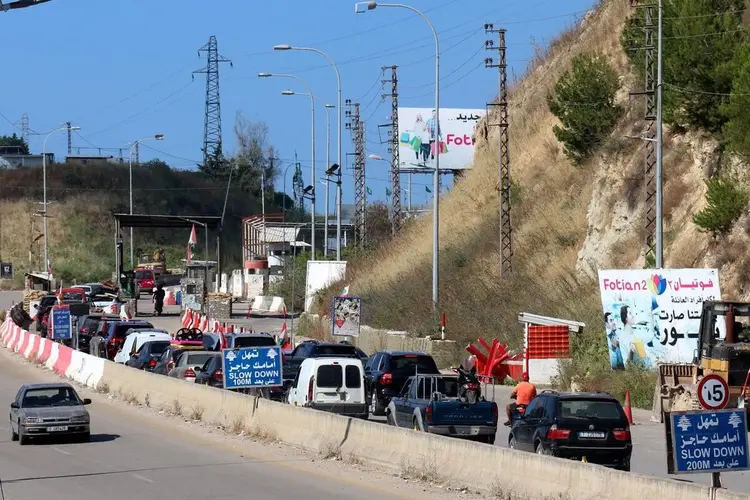
Continued Israeli military activity and presence in south of the country are making it difficult for civilians to return home
By
More than 300,000 people have been internally displaced in Lebanon since March this year, a humanitarian crisis that is ‘far from over’, according to the UN’s aid coordination office (OCHA).
At its peak, the UN Office for the Coordination of Humanitarian Affairs, citing Lebanese government data, registered around 1.2 million people in Lebanon as internally displaced (approximately 18 per cent of the nation’s population).
Israeli military activity has continued in the south of the nation, further fuelling displacement.
Almost 970,000 people have returned to their communities in southern Lebanon, but normality has been far from the reality on the ground. Homes have been damaged, and essential services have been disrupted.
For example, in the governorate of Nabatieh, insecurity and restrictions on access to agricultural land have disrupted the olive harvest. Some farmers have only been able to harvest for two days before being forced to stop by the Israeli army.
In a World Health Organisation survey, only four per cent of households in southern Lebanon and Beirut’s southern suburbs reported full access to healthcare after dozens of primary healthcare centres and hospitals closed as the conflict escalated.
Related reads…
OCHA Lebanon Humanitarian Fund has allocated $91million to support displaced people, returnees, refugees and other communities affected by conflict in Lebanon.
Lebanon’s population has continued to experience the devastation from hostilities between Hezbollah and Israel, as well as the compounded effects from the nation’s 2019 economic collapse.
In the last ten years, poverty rates in Lebanon have tripled. According to the World Bank, 44 per cent of the nation’s population lived in monetary poverty and 80 per cent in multidimensional poverty in 2024.
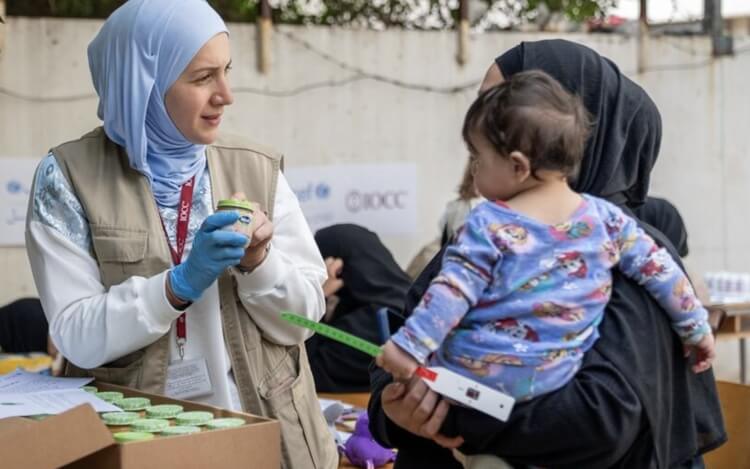
Between 2 March 2026 and 17 August 2026, at least 4,346 people in Lebanon had been killed.
Lebanon has also faced uncertainty in recent weeks after the mandate of the UN Interim Force (UNIFIL) nears its end. Lebanese Prime Minister Nawaf Salam has urged action to ‘avert the vacuum that UNIFIL’s withdrawal could create, were it to take place without agreement on a new international force to replace it.’
According to DW, the 7,565 peacekeepers will most likely begin withdrawing from the UN-patrolled Blue Line zone at the end of this year. Even if a new peacekeeping force is created, it will likely have fewer troops. Back in June, UN Secretary-General António Guterres suggested three options to the Security Council for peacekeeping forces with troop numbers ranging between 900 and 3,000.
“The situation in southern Lebanon remains tense,’ said UNIFIL’s spokesperson Kandice Ardiel. ‘We are seeing continued Israeli military operations, including overflights of Lebanese airspace by jets, helicopters and drones, airstrikes, artillery strikes and mortar fire.’
‘Until our mandate ends on December 31, we continue to monitor and report what is happening, and we are liaising between the parties on a daily basis to ensure safe movements of civilians, humanitarian aid, and peacekeeping patrols,’ Ardiel continued.
The UNIFIL mandate first began back in 1978 during the Lebanese Civil War.