
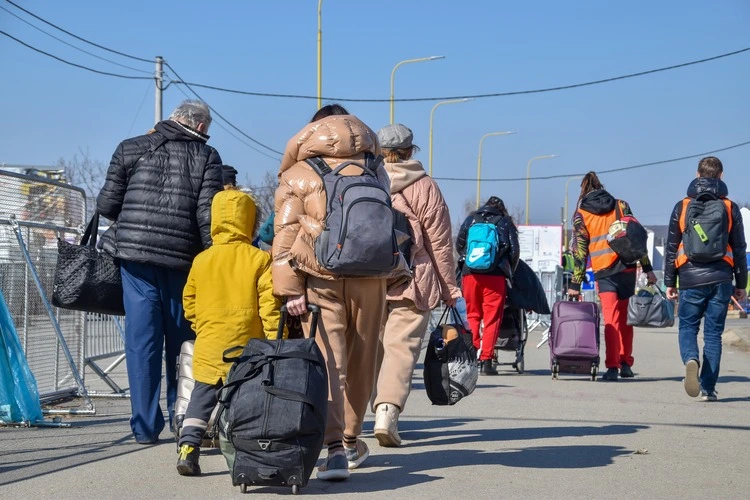
Conflict displacements have increased by 60 per cent compared to 2024, with the total number of internally displaced persons doubling in the last decade
By
Conflict and violence drove a record 32.3 million internal displacements in 2025, surpassing the number of disaster-driven internal displacements for the first time, according to the Global Report on Internal Displacement.
Meanwhile, the number of people living in internal displacement remained near record levels – at 82.2 million – the second-highest figure ever recorded. Internal displacement was concentrated in five countries, with Sudan hosting the largest number of internally displaced people (9.1 million), followed by Colombia (7.2 million), Syria (six million), Yemen (4.8 million) and Afghanistan (4.4 million).
The number of internal displacements includes each time a person is forced to flee within the borders of their own country, often multiple times across the course of a year. These individuals are among the most vulnerable demographic in the world, with many trapped in displacement for years or even decades.
Jan Egeland, secretary general of the Norwegian Refugee Council, said such figures were a ‘sign of a global collapse’ in protecting the basic rights of civilians.
Check out our related reads…
Emerging, escalating and entrenched conflicts have forced people to move repeatedly within their nations, driving a 60 per cent increase in conflict displacements compared to 2024. As instability deepened throughout the year, Iran – with 10 million internal displacements – and the Democratic Republic of Congo – with 9.7 million – together represented two-thirds of conflict displacements.
Disasters have also continued to drive large-scale forced movement of individuals. For example, storms, floods and other hazards triggered 29.9 million internal displacements in 2025, a 35 per cent decrease compared with the levels of 2024. Still, this figure represents a 13 per cent increase above the annual average of the past decade.
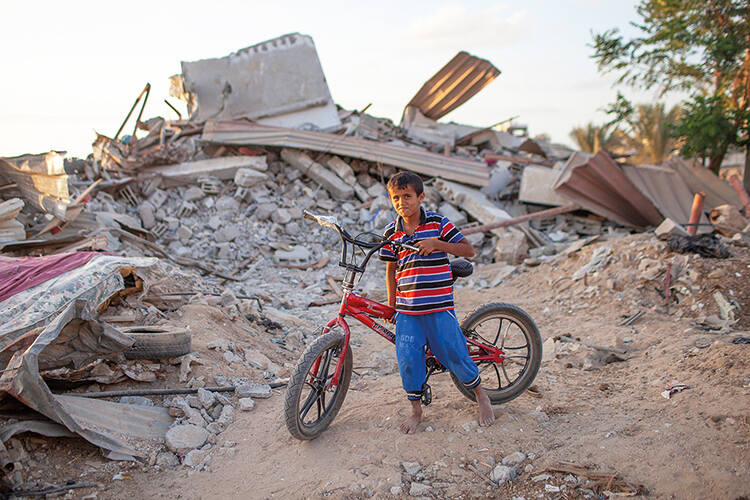
Countries which were previously less impacted by disasters have now recorded large-scale displacements, while previous hotspots continued to be exposed. This indicates the ever-evolving patterns linked to a changing climate, as well as a need to invest in climate adaptation.
Disasters that illustrates such a point are wildfires, which became an increasingly significant driver of displacement globally. In total, they accounted for more than 694,000 displacements in 2025, the hazard’s second-highest figure recorded in the past decade.
‘Countless families are returning to destroyed homes and disappearing services – or cannot return at all. From DR Congo and Sudan to Iran and Lebanon, we see millions more displaced on top of the previous record numbers driven out if their homes. We cannot continue like this,’ said Egeland.


