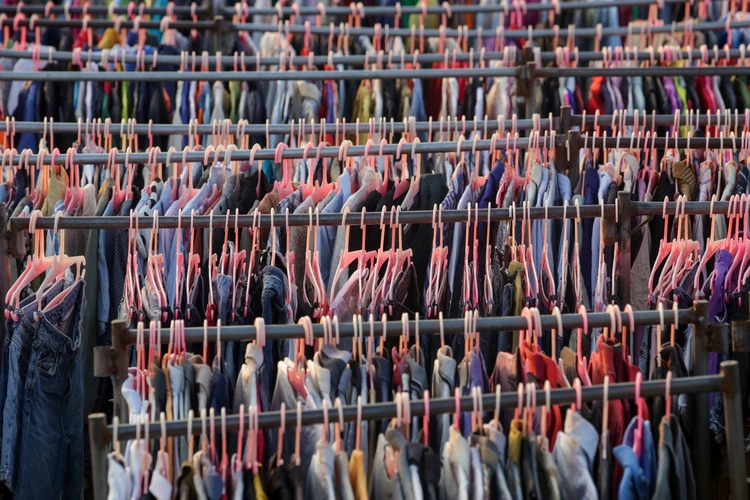
Resale platforms such as Vinted and eBay are marketed as sustainable alternatives, but they may actually encourage overconsumption in a different form
By
The sustainability of reselling clothes – on platforms such as Vinted, eBay and Depop – has been an ongoing debate since the surge in popularity of thrifted fashion. While buying second-hand is often promoted as a more environmentally friendly alternative to purchasing new clothing, a 2025 study at Yale found that second-hand fashion consumers exhibit fast-fashion behaviours, and that people engaged in the second-hand market generate more textile waste than other consumers.
Growing at around 10 per cent annually, the resale market has emerged as a serious competitor to traditional retailers. Statistics show that sites like Vinted now have more than 17 million users in the UK alone, which puts it just behind Primark and Next in terms of customer reach. Today’s resale market is valued at $210-$220 billion and expected to reach $320-$360 billion by 2030, highlighting just how booming the industry is.
Younger consumers have driven much of the second-hand boom. Millennials and Gen Z account for 65 per cent of Vinted’s user base, with Gen Z proving particularly enthusiastic about buying and selling pre-owned clothing. While Millennials, aged 30–45, make up the larger share of users, Gen Z – aged 14–29 – are the most likely to buy and sell second-hand clothing.
Enjoying this article? Check out our related reads…
This trend also arises from Gen Z’s exposure to financial instability. Gen Z — more than most generations — are highly price-aware and intentional with their spending. Most have grown up amid rising living costs, housing instability, and financial insecurity, making affordability a major factor in shopping habits. A survey conducted by Censuswide on trends among second-hand consumers and resellers found that the two key reasons for turning to resale are the cost of living and sustainability.
Ultimately, however, it appears that popular reselling platforms have encouraged people to overbuy and make impulse purchases, rather than replace their old clothes. There are significantly more second-hand buyers than professional or full-time resellers. Only a small fraction (often estimated at around 8-10 per cent) of thrift and second-hand shoppers are actually buying to resell for a profit. The vast majority are end consumers seeking sustainability, bargains, or unique items. In fact, global second-hand shopping has become so mainstream that it is growing at twice the rate of firsthand retail.

Reselling has long been viewed as a key component of the circular economy, helping to keep clothing in use for longer and reducing demand for newly manufactured garments. Circularity is the practice of keeping products and materials in circulation through processes such as maintenance, reuse, refurbishment, remanufacturing, recycling, and composting.
The circular economy tackles climate change and other global challenges, like biodiversity loss, waste, and pollution, by decoupling economic activity from the consumption of finite resources. Reselling is, in theory, a circular system – if every consumer this year bought just one second-hand garment instead of a new one, it would lower CO2 emissions by more than two billion pounds – equal to taking 76 million cars off the road for a day – and save some 23 billion gallons of water, according to a report conducted by American online consignment and thrift store, ThredUp.
The challenge is that many consumers do not replace new purchases with second-hand ones; instead, they buy both. As a result, resale can become an addition to consumption rather than a substitute for it, potentially fuelling the same cycle of overconsumption that it is intended to reduce. Though resellers reduce textile waste, consumers exhibit ‘fast fashion behaviours’ – meaning that the associated costs of buying second-hand may be just as environmentally impactful as buying new. Senior Sustainability & Features Editor at British Vogue, Emily Chan, said, ‘buying pre-loved items is better for the planet than buying new, but not if we’re still following the same habits of overconsumption – purchasing new old things, only for them to be discarded again later down the line.’
How does reselling compare to the fast fashion industry?
Reselling is inherently more sustainable than fast fashion because it extends a garment’s life and reduces the need for new manufacturing. It is consumer habits – and their tendency to purchase more goods – that can hinder this sustainability.
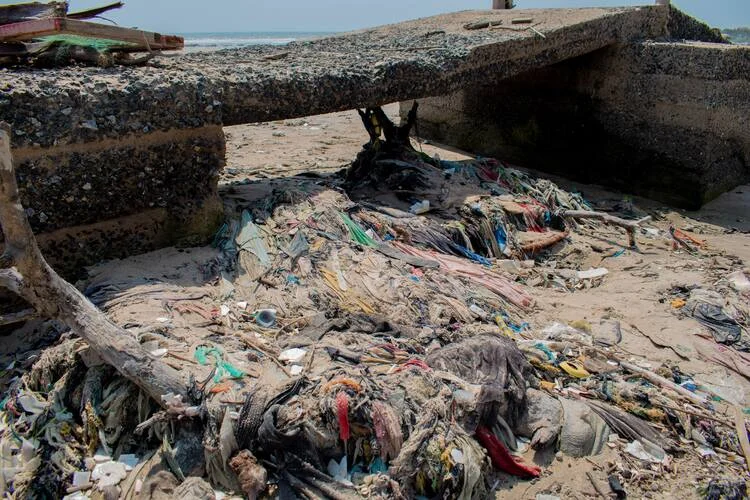
In contrast, fast fashion is a highly profitable global model that mass-produces cheap, trend-driven clothing. It relies on rapid, high-volume manufacturing that fuels a throwaway culture, where consumers often wear garments fewer than 10 times before discarding them. Poor-quality clothes produced at speed and ultra-low pricing come at severe environmental and social costs. The fast fashion industry is responsible for 8-10 per cent of global carbon emissions – which accounts for an estimated 1.2-2.9bn metric tons of greenhouse gases annually. Alarmingly, social media also encourages this industry – videos tagged with #haul on TikTok have cumulatively been viewed more than 49 billion times, and that number increases every minute. These types of fashion hauls create microtrends that die out within weeks of their conception.
Fast-fashion brands have helped normalise constant consumption, shaping consumer expectations around low prices, rapid trend cycles and frequent purchasing. Consumers are often caught in the middle of algorithms and intense marketing, which conditions them to buy more and more. A UNiDAYS survey found that 49 per cent of young users’ fashion purchasing decisions are directly influenced by social media pressure. This further complicates efforts to slow down fashion consumption.
In principle, reselling is far more sustainable than fast fashion, but only if consumers treat it as a substitute for buying new clothes rather than an opportunity to buy more.