

From training hairdressers about climate change to cows wearing backpacks to collect their farts, here are five unconventional climate solutions…
By
Certain ways of tackling climate change feel as familiar as night and day. Reduce pollution by opting for public transport instead of cars; cut down your meat intake to decrease harmful methane emissions generated by cows; opt for sustainable products and services instead of planet-polluting ones. They work, but are only part of a much wider – and sometimes surprising – set of solutions in place to help our climate.
Enjoying this article? Check out our related reads…
Here, we cycle through five of the more unusual climate solutions you may not have heard of that seek to tackle the most pressing issues facing the climate…
1) Train hairdressers on climate change
A University of Bath study has shown that hairdressers can be impactful in everyday conversations with clients about climate and sustainability, and are successfully prompting people to rethink their sustainability habits – ranging from their use of water and energy to their choice of bank or diet.

Nearly all participating salons in the study reported chats with clients about environmental topics, often starting with haircare, but expanding to plastic use, food choices, energy use, transport, diet, and more.
Through these conversations, some participants reported switching to eco-friendly products, turning down their hot water, or changing habits at home.
2) VR games that teach people how to shop sustainably
Often, a perception gap exists in climate action. Individuals recognise climate risks in the abstract, but often fail to connect them to their own actions. As such, this weakens urgency to make steps to better the planet.

However, a Singapore study has found a way of combating such a lack of urgency: virtual-reality games. Using an immersive VR escape room that teaches about sustainable food consumption, researchers discovered that participants showed significant gains in familiarity, confidence and behaviour, as well as an increase in knowledge about sustainable resources.
3) Use fake whale poop
Artificial whale poop is being touted as a solution to restoring marine biodiversity, which in turn will help bolster the climate. A lack of diverse marine life means an unregulated global carbon cycle and ecosystems in jeopardy, so maintaining a harmonious balance is key – although using artificial whale poop to do so may not be the first solution that comes to mind.

Rich in nutrients such as phosphorus and nitrogen, whale faeces help to fertilise the upper waters of the ocean and provide the starting point for marine food chains across the world.
However, whale populations have plummeted to as little as five per cent of their historic levels, meaning there isn’t enough whale poop to go around.
To mitigate this, an international team of researchers have set on releasing artificial faeces out into the Tasman Sea off Australia’s eastern coast. They’ve already released 80 gallons – equivalent to one whale plume – of their specially formulated poop, and had plans to disperse five more whale plumes in 2025.
4) Backpacks for cows to collect their farts
It might sound far-flung, but scientists in Argentina have attached backpacks to cows to collect planet-polluting methane gases released when they fart.
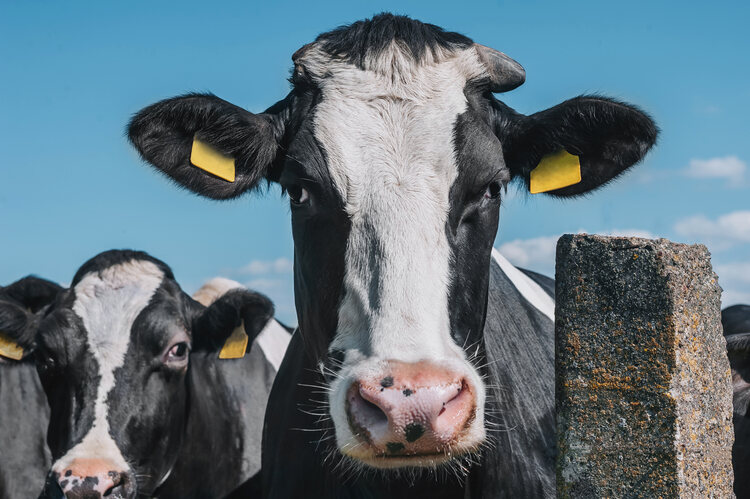
Argentina’s National Institute of Agricultural Technology created a prototype device that can extract as much as 300 litres of the gas daily – enough methane to run a fridge or car for an entire day – by connecting a tube to the cow’s digestive tract.
With more than 51 million cows in the country, the nation’s decision to reduce greenhouse gas emissions from dairy and non-dairy cattle is certainly worthwhile. According to a spokesperson for the Institute, gas collected from cows could be used to provide all the energy needed to operate farms off the grid. Farms could even contribute power to nearby communities from the gas collected.
5) Blasting glaciers with massive snow cannons
Western Antarctica is particularly vulnerable to climate change. Decades of soaring temperatures have thinned ice to the point where an estimated 24 per cent of ice sheets in the western region are in danger of total collapse.
However, a solution has been suggested by scientists to help counter this effect: blasting these glaciers with massive snow cannons.
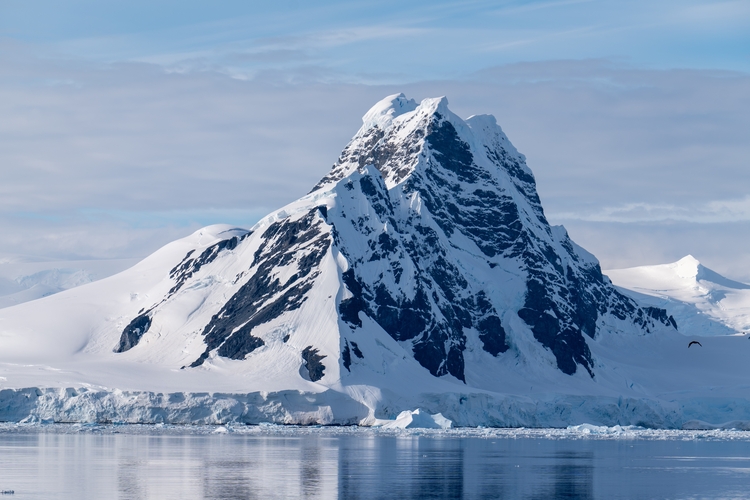
Spraying an artificial blizzard into the coastal area around Thwaites and Pine Island glaciers of Antarctica could, according to scientists, stabilise the West Antarctic Ice Sheet, reducing ice loss that could drive potentially catastrophic sea level rise.
The technique would mimic natural precipitation in Antarctica while delivering substantially more snow than what is normally deposited there by seasonal storms.
Although the solution may seem promising, researchers have highlighted that the snow-making option would have drawbacks. The effort would be substantially expensive and would also potentially have the unintended effect of harming sensitive ecosystems.


