Analysis of two million species suggests biodiversity loss has stabilised in recent decades
By
Around the world, many prominent studies have suggested our planet is currently in the throes of a mass extinction. Such conclusions are supported by evidence from extinctions in the past 500 years, as well as by the idea that extinction rates are rapidly accelerating.
However, a new study led by scientists at the University of Arizona has shed light on a more positive perspective: extinction rates in plants, arthropods and land vertebrates appear to have peaked around 100 years ago and have declined since then..
Enjoying this article? Check out our related reads:
‘We show that extinction rates are not getting faster towards the present, as many people claim, but instead peaked many decades ago,’ said Wiens.
Researchers also found that past extinctions were mostly caused by invasive species on islands, rather than by today’s most significant threat to wildlife — the destruction of natural habitats.
The new paper argues that claims of a current mass extinction rely on shaky assumptions that project data from past extinctions into the future, ignoring differences in the factors driving extinctions in the past, present and future.
For their study, researchers analysed rates and patterns of recent extinctions, specifically across 912 species of plants and animals that went extinct over the past 500 years. In total, data from almost two million species were included in the analysis.
‘To our surprise, past extinctions are weak and unreliable predictors of the current risk that any given group of animals or plants is facing,’ said lead author Kristen Saban.
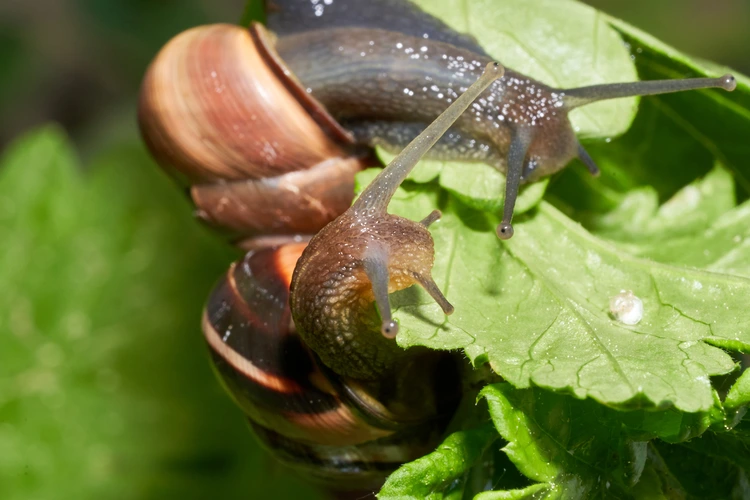
Extinction rates varied strongly among groups, being most frequent among molluscs, such as snails and mussels, and vertebrates, but relatively rare among plants and arthropods.
Most extinctions occurred among species confined to isolated islands, such as the Hawaiian Islands. On continents, however, most extinctions were in freshwater habitats. Island extinctions were most frequently related to invasive species, but habitat loss was the most important cause — and current threat — in continental regions. Many species appeared to go extinct on islands because of predators and competitors brought by humans, such as rats, pigs and goats.
To the researchers’ surprise, they also found that in the last 200 years, there was no evidence of increasing extinction from climate change.
‘That does not mean that climate change is not a threat,’ said study co-author John Wiens. ‘It just means that past extinctions do not reflect current and future threats.’
For some groups — such as arthropods, plants and land vertebrates — extinction rates have actually declined over the past 100 years, notably since the early 1900s. One of the reasons for these declining rates, said Wiens, is that ‘many people are working hard to keep species from going extinct. And we have evidence from other studies that investing money in conservation actually works.’
According to Saban, the study was born out of a desire to move beyond doomsday narratives that portray an impossible situation.
‘If we’re saying that what is happening right now is like an asteroid hitting Earth, then the problem becomes insurmountable,’ said Saban. ‘By looking at the data in this way, we hope our study helps inform our overall understanding of biodiversity loss — and how we can come up with better ways to address it.’