
As one city street gains a dentist for dogs, thousands of residents can’t find or afford one for themselves. A reflection on class and care in Britain today

By
A much-loved local flower show closed earlier this year. Before the owner retired, he tried to market it as a going concern but couldn’t find any takers. Selling fresh stems and pot plants makes for a difficult business case in an age of supermarket bouquets, out-of-town garden centres and online orders for letterbox flowers.
After the property was purchased and shopfitters arrived on site, we began to speculate about what the new business might be as we passed by on the daily school run. My sons fancied a toy shop or burger joint; I favoured a craft beer store. When the outside was painted pastel pink, I feared it would be yet another nail bar or hairdresser. The area is already well served by beauty parlours of various types and I wanted more variety to come to our high street.
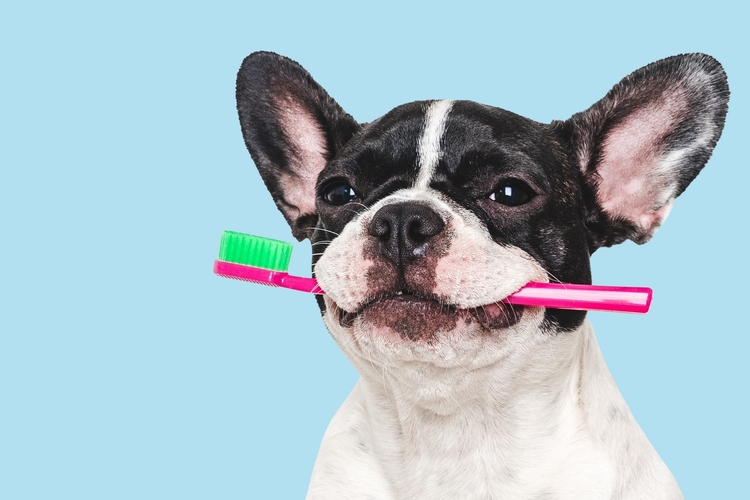
When the work was complete, the new venture was something that I never would have guessed: a type of business I’d not even heard of before – a dentist for pets. I was doubtful that this surgery would survive – if you can’t make money selling flowers, then checking canines’ canines didn’t seem like a sound enterprise. Another cynical parent walking past said they’d give it six weeks.
Six months later, the veterinary dental surgery appears to be doing just fine. Presumably, there’s a sufficient local population of cats and dogs that need the specialist attention a normal vet can’t provide. As I walk by each morning, there’s a steady stream of animals and their keepers making their way inside.
Enjoying this article? Check out our related reads…
Shortly after the dental vet opened, across the other side of my home city of Bristol, the topic of human oral healthcare was making the national headlines. Film crews were outside the Lodge Causeway Dental Centre, which had recruited three new dentists, meaning it could take on an additional 3,000 patients.
A line of hundreds of people queued from the early hours of the morning in the hope of joining an NHS dentist. Prospective patients spoke of the ‘impossible’ hunt to find a dentist and a ‘crazy’ situation.
Since the Covid pandemic, DIY dental procedures have sadly become common. In Bristol, according to the British Dental Association, as many as one in four people have unmet NHS dental needs. The government has since announced reforms to improve access to dental care and end the ‘postcode lottery’ that dictates provision.
In my part of Bristol, pets – with affluent owners – can access neighbourhood dental care, while throughout the city tens of thousands of human residents can’t afford
dental care or lack the NHS provision to which they’re entitled. This isn’t to begrudge the animals the right to avoid the misery of bad teeth, but, to my mind, this inequality is deeply problematic and suggests a serious social failing.
Pets, and especially dogs, are a marker of social distinction. Along with a pair of Hunter Wellington boots and a Land Rover, a Labrador is a badge of good outdoors living, and these venerable animals are associated with reliability and status. In contrast, other breeds signal quite different qualities. The assertive, squat and powerful Staffordshire bull terrier, or Staffie, is commonly associated with white urban working-class youths. Could it be that, as with the social divide in access to dental healthcare, there are also inequalities in access for different types of animals?
Certain pets are incorporated into patterns of human consumption to display urbane good taste. In cosmopolitan cities, dog ownership is frequently associated with the growth in childless households – especially LGBTQ+ ones. Cared-for animals with bright white teeth may be perceived, rightl or wrongly, as child substitutes. In New York, things are much further along fo lucky hounds.
In affluent Williamsburg and Brooklyn, pet hotels have replaced boarding kennels, yoga classes supplement exercis walks, there are dog-food trucks for meals on the go and specialist beauticians sit alongside human nail bars and hairdressers.
Domesticated animals are part of the urban fabric. Their presence shapes spaces of retail, hospitality and healthcare, and creates a non-human service sector. Cities would look very different without pets.
The examples from New York suggest that in the world’s largest and richest cities, the purchasing power of dog owners is enough to create a whole commercial sector that mirrors the human economy. Maybe one day there will be a hyper-exclusive neighbourhood somewhere that can support a dog-centric florist selling blooms with scents particularly appealing to their acute sense of smell.
It’s already possible to get dog collars, corsages made of fresh flowers and memorial wreaths for deceased animals. Perhaps my retiring local florist could have attracted a successor by pivoting towards the pet market?


