
National Trust review says that plants and wildlife in the UK is being thrown into chaos by changing weather patterns
By
The end-of-year statistics are in and according to the UK Meteorological Office, December 2023 was warmer and (just in case you hadn’t already noticed) wetter than average. This changing weather pattern was repeated throughout much of the year, with the Met Office declaring 2023 to be provisionally the UK’s second warmest year on record. And while a mild winter might sound appealing to some of us humans, a newly released report illustrates why our ever more unpredictable weather patterns are bad news for the UK’s wildlife.
The Weather and Wildlife Review 2023 by the National Trust claims that the changing weather patterns seen throughout 2023 in the UK have thrown nature into chaos. The report, which focuses on the climate impacts on plants and animals in the trust’s 500 nature reserves, gardens and historic properties, describes how an unusually dry start to 2023 did nothing to raise already low water levels and that the very mild conditions saw species such as rare great crested newts appear earlier than normal in the ponds of the Dyffryn Gardens in South Wales and common lizards emerging out of winter hibernation earlier than normal on the Norfolk Broads.
The review goes on to say that spring started off cool, which delayed the start of most trees and plants blossoming and led to certain species of butterfly taking to the air up to a month later than normal. However, after that cool start, things quickly heated up through the remainder of spring and this helped lead to an exceptional hawthorn harvest, which was good news for many creatures.
With June 2023 being the hottest ever recorded in the UK and July the hottest ever month globally, summer was particularly trying for many creatures living on National Trust lands. Perhaps most ominously, the River Derwent in the Lake District’s Borrowdale Valley, which is normally the wettest part of England, dried out for the third consecutive year. The heat led to an early blooming of flower meadows with some species, such as yellow rattle, blooming up to a full eight weeks ahead of normal. And, on the Suffolk coast, National Trust rangers had to manually dampen sites supporting nesting wading birds.
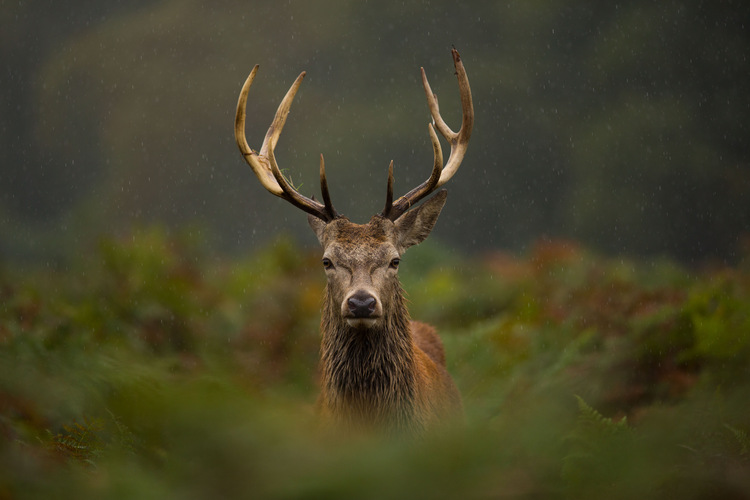
And then came autumn. But, again, it was warmer than average and also wetter, with severe flooding in some places after major storms hit the UK. And once again, this odd weather led to confusion for many plants and animals. This was perhaps most starkly illustrated by plants at Glendugan Garden in Cornwall flowering totally out of season, and the red deer at Holnicote delaying their rutting period. The review explains that the red deer mating ritual normally begins in September, but with warmer autumns delaying it further into winter, calves are now being born later into the summer which is potentially giving them less time to grow and build up the weight and fat needed to see them through the winter.
The report authors sound a word of warning for 2024, which is already forecast to be hotter than 2023 in many parts of the world. Ben McCarthy, Head of Nature Conservation and Restoration Ecology for the National Trust said of these changing weather patterns, ‘The incremental shifts we’re experiencing in terms of our seasons extending may not feel like much in a 12-month period, but over a decade the changes are extremely significant’.
Related articles: