
• Skip to main content
  • Skip to secondary menu
  • Skip to primary sidebar
  • Skip to footer
Geographical

Geographical

Official magazine of the Royal Geographical Society (with IBG)

  • Home
  • Briefing
  • Science & Environment
  • Climate
    • Climatewatch
  • Wildlife
  • Culture
  • Geopolitics
    • Geopolitical hotspots
  • Study Geography
    • University directory
    • Masters courses
    • Course guides
      • Climate change
      • Environmental science
      • Human geography
      • Physical geography
    • University pages
      • Aberystwyth University
      • Brunel University
      • Cardiff University
      • University of Chester
      • Edge Hill University
      • The University of Edinburgh
      • Newcastle University
      • Nottingham Trent University
      • Oxford Brookes University
      • The University of Plymouth
      • Queen Mary University of London
    • Geography careers
      • Charity/non-profit
      • Education & research
      • Environment
      • Finance & consulting
      • Government and Local Government
    • Applications and advice
  • Quizzes
  • Magazine
    • Issue previews
    • Subscribe
    • Manage My Subscription
    • Special Editions
    • Podcasts
    • Geographical Archive
    • Book reviews
    • Crosswords
    • Advertise with us
  • Subscribe
    • Direct Debit Changes

Conservationists race to save one of the world’s most endangered birds

1 July 2026
2 minutes

Javan green magpie
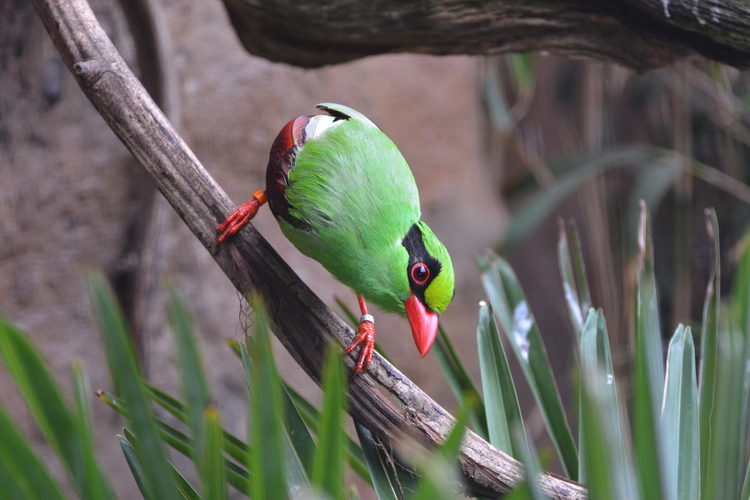
Surveys of the Javan green magpies between 2018 and 2021 failed to find any birds at many former strongholds. Image: Chester Zoo

Emergency rescue plan is being rolled out for a bird so rare that survey teams searching across 12 mountains in Java failed to find a single one


By Victoria Heath

An international action plan to save a bird species with fewer than 250 individuals left on the planet is being rolled out by conservationists.

Javan green magpies are so rare that scientists searching across 12 mountains in Java, Indonesia failed to find a single one. As such, a new plan – bringing together governments, conservation organisations and zoos from across the world – is hoped to help pull the species back from the brink. A 2023 study attributed declines in the species due to excessive trade as ‘master birds’ in the songbird trade. Master birds rarely compete and are instead used to train competing birds.


Enjoying this article? Check out our related reads…

  • The top ten most endangered animal species on the planet
  • How a fault line in Indonesia could cause a devastating quake
  • A bird’s banquet: top tips for feeding birds in your garden
  • It’s a long way home for the Balearic shearwater
  • The flightless bird captivating scientists for hundreds of years

The action plan sets out more than 80 actions to be implemented in the next decade, ranging from expanding coordinated breeding programmes to developing plans for the eventual reintroduction of birds bred in human care into protected wild habitats.

Bird specialists from Chester Zoo in the UK were among 48 international experts who travelled to Indonesia to help shape the plan, setting out actions to confront habitat loss and illegal online trade. Online trade of Javan green magpies continues in Indonesia through channels like WhatsApp and Facebook, despite being unlawful.

Javan green magpie
Fewer than 250 individuals exist worldwide, with just 50 reportedly in the wild. Image: Chester Zoo

Currently, Chester Zoo cares for 12 of the 130 Javan green magpies within the global conservation breeding population. It first became involved with the species back in 2012, when it established the first conservation breeding programme for Javan green magpies.

‘This is a bird that most people have never heard of, and that’s part of the problem,’ said Chester Zoo’s head of birds Andrew Owen.

‘The Javan green magpie is running out of time – and running out of places to hide. When survey teams searched across mountain after mountain in Java and found nothing, it brought home just how desperate the situation has become,’ Owen continued.

If the plan to save the species proves successful, it won’t be just Javan green magpies that benefit. Researchers note a cascading effect on other species could ensue, benefiting the critically endangered rufous-fronted laughingthrush (Garrulax rufifrons) and threatened montane ecosystems.

Themes Wildlife Birds

Protected by Copyscape

Primary Sidebar

SUMMER SALE

GEOGRAPHICAL WEEKLY LOGO FREE - Sign up to get context, clarity and perspective in a noisy world, every Friday

Popular Now

QUIZ: Human Geography Trivia

QUIZ: Human Geography Trivia

flags

QUIZ: Flags of the World – Hard

eople search amid the rubble of collapsed buildings in the aftermath of powerful earthquakes in La Guaira as rescue and recovery efforts continue

How is the world helping Venezuela?

Podcasting concept

On The Ground: Laura Cole on the world of podcasting

Ocean close-up

Ocean surface temperatures reach record highs for June

Footer

  • Facebook
  • Instagram
  • LinkedIn
  • Reddit
  • TikTok
  • Twitter
  • YouTube

Geographical print magazine cover

Published in the UK since 1935, Geographical is the official magazine of the Royal Geographical Society (with IBG).

Informative, authoritative and educational, this site’s content covers a wide range of subject areas, including geography, culture, wildlife and exploration, illustrated with superb photography.

Click Here for SUBSCRIPTION details

Want to access Geographical on your tablet or smartphone? Press the Apple, Android or PC/Mac image below to download the app for your device

Footer Apple Footer Android Footer Mac-PC

More from Geographical

  • Subscriptions
  • Get our Newsletter
  • About Us
  • Contact Us
  • Advertise with us
  • Privacy policy
  • Terms & Conditions

Copyright © 2026 · Site by Syon Media