

From Ukraine to Bulgaria, discover the populations dwindling around the world – and exactly why their numbers are falling
By
Currently, the world’s population stands at around 8.3 billion. Projections suggest it could peak at 10.3 billion in 2084, then start to decline.
Demographers have different concerns about the impact population decline will have on society. Some remain worried that a lack of a youthful workforce will make it difficult to provide for the care of elderly individuals, while others are sceptical that science and innovation could slow down with fewer people entering those fields. However, others don’t think that population growth is necessary for innovation and prosperity.
Enjoying this article? Check out our related reads…
Either way, the world is likely to experience a decrease in its population within the next century. But which places around the world are already experiencing this? And why exactly are their populations facing a downward trend?
The ranking below is compiled from data from the International Monetary Fund (IMF), which looks at the fastest population decline since 2000.
5) Moldova – 19 per cent decrease

Moldova’s population has been shrinking rapidly since the collapse of the Soviet Union, along with factors including ow birth rates, economic instability and an ageing population.
At independence in 1991, Moldova’s population was around 4.3 million. Today, it has fallen to roughly 2.5–2.6 million people living in the country, with its right-bank region shrinking by approximately 35 per cent. The collapse of the USSR severely impacted Moldova’s economy, which was heavily reliant on the Soviet market. As such, many people have left across the last 30 years, with the majority now residing in the European Union.
In addition to individuals leaving the nation, Moldovan society is ageing rapidly; in 1991, the average age was 29, compared to 38 today. This makes it more difficult to keep birth rates above the replacement rate of 2.1. In 2013, its fertility rate stood at just 1.24.
4) Latvia – 22 per cent decrease
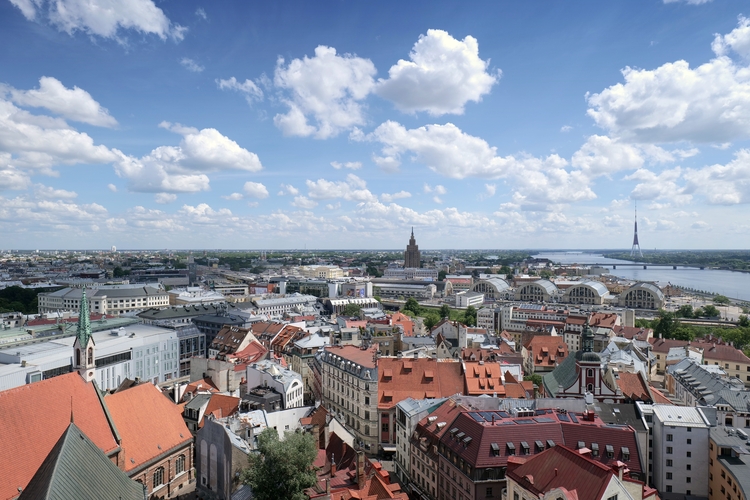
At number four is Latvia, which has experienced a sharp population drop since the early 1990s. Its population currently stands at 1.8 million, falling from a record-high of around 2.7 million in the late Soviet era.
The predominant factor explaining Latvia’s population decline is large-scale emigration following its independence from the Soviet Union in 1991, similar to the trend seen in Moldova. Emigration only increased further as Latvia joined the European Union back in 2004, giving citizens further access to a wide range of labour markets in western Europe.
Coupled with emigration, Latvia is also impacted by persistently low fertility rates that affect its population. 881 newborns were registered in January 2025, a 16.1 per cent drop from the corresponding period of 2024.
3) Bulgaria – 23 per cent decrease
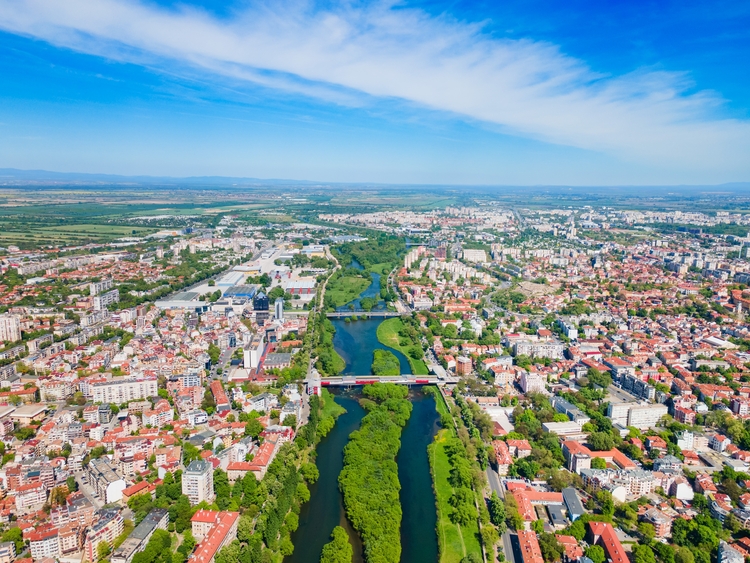
Bulgaria’s population has been shrinking for decades, thanks to a combination of low birth rates, high death rates and large-scale emigration. There are now so few people of child-bearing age in the nation that statistics predict a 30 per cent decrease in Bulgaria’s population by 2060, from 7.2 million to around five million. To put that into perspective, it’s the equivalent of the nation’s population dropping by 164 people a day, or 60,000 people per year.
The country’s population peaked at around nine million people in the late 1980s, but now stands at around 6.4 million.
One of the biggest causes of population decline in the nation is emigration since the end of communist rule in 1989, like Latvia and Moldova. Many people began to leave in search of better wages and living standards in both western Europe and North America, with millions of Bulgarians – especially younger and highly educated workers – moving abroad. Researchers have described this as a major ‘brain drain’ on the country.
2) Marshall Islands – 29 per cent decrease
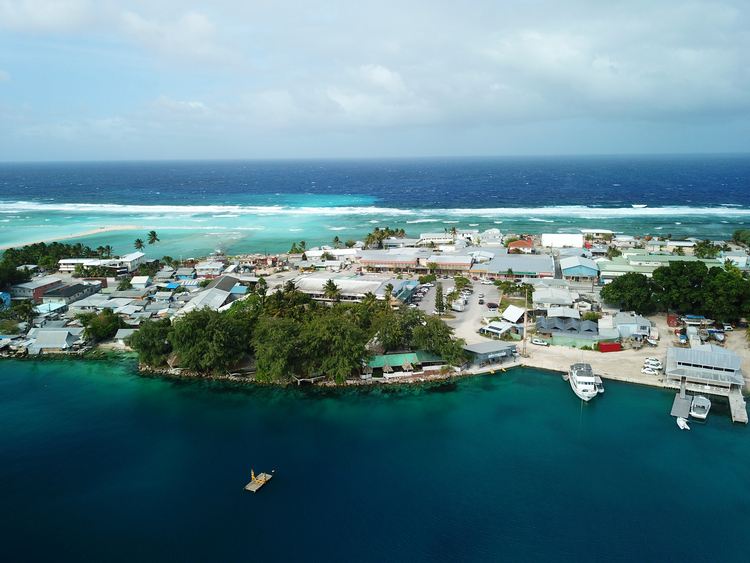
The population of the Marshall Islands peaked at around 59,000 in the early 2000s, but recent estimates suggest it has fallen to around 39,000–42,000 residents.
A major reason for the country’s population decline is emigration to the US. Under the Compact of Free Association (COFA), Marshallese citizens can legally live and work in the US without a visa. This had led to large-scale migration, particularly to states such as Arkansas, Washington and Hawaii. The job market is far more substantial in the US compared to the Marshall Islands, where unemployment hovers at around 40 per cent – providing an alluring reason to move among other reasons, such as the impacts of climate change on the islands.
So vast is this type of emigration that researchers estimate more Marshallese now live in the US than in the Marshall Islands themselves. One report from CNN says a third of the population has now moved to the US.
Like many Pacific island nations, the Marshall Islands has also faced a decline in fertility rates as migration increases. This means that fewer young people remain in the country, contributing to its population drop.
1) Ukraine – 33 per cent decrease
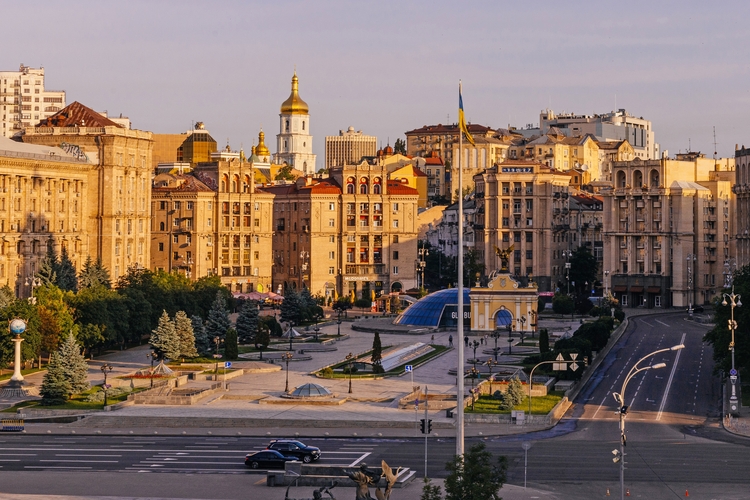
At number one is Ukraine – its population has plummeted from 48.7 million in 2000 to an estimated 32.9 million in 2025. By 2051, this figure is projected to be 25 million – almost a 50 per cent reduction in as many years.
Ukraine has both the highest death rates and the lowest birth rates in the world, according to 2024 estimates. For every birth, there are around three deaths.
Russia’s full-scale invasion back in February 2022 accelerated Ukraine’s population decline, with UN figures suggesting more than six million Ukrainian refugees were recorded across Europe after the invasion began. Poland and Germany received particularly large numbers.
According to researchers, many refugees may never return – a 2025 study by Ukraine’s Centre for Economic Strategy found that only 43 per cent of refugees surveyed planned to come back to the nation. In addition, the refugee population is heavily weighted toward women and children, creating serious long-term demographic consequences as these groups represent a loss in births and families.


