
From freezers failing in supermarkets to railway tracks buckling under the heat, Britain’s infrastructure is struggling to cope with back-to-back heatwaves
By
This week, the UK has entered its third heatwave of the year, with temperatures expected to reach 35°C in some parts of the country. In recent weeks, such high temperatures have become more common, as Britons struggle to cool down as the mercury rises.
Enjoying this article? Check out our related reads…
- The longest heatwaves in history – and how they’re getting worse
- World’s top oil and gas companies linked to 200 heatwaves, new study finds
- Geo explainer: What causes heatwaves?
- UK seas in hot water: the rising threat of marine heatwaves
- London’s first heat plan launched to tackle rising temperatures
The nation’s infrastructure has been hit by high temperatures too, from railway lines buckling to NHS hospitals unable to provide hospital appointments to patients. As many sectors and businesses struggle to cope with the heat, here we look at how Britain’s infrastructure is dealing with recent back-to-back heatwaves…
NHS strain

Six NHS trusts in England declared a critical incident last week after hot weather impacted their scanners, lab and cancer equipment and IT systems.
In Norfolk, hundreds of patients had their appointments cancelled after MRI scanners stopped working.
Critical incidents are declared when services are under extreme pressure, threatening a hospital’s ability to deliver effective care. They are used as signals to the NHS workforce that staff may need to be redeployed and patients may need to be moved to nearby hospitals.
Tech glitches
Hot weather, such as the temperatures seen across the UK in recent weeks, can affect a range of electronic devices. One such example is security alarms and the motion sensors attached to them, which mistake sudden shifts in room temperature for movement. As such, alarms can be triggered when no threat is present.
High temperatures can also increase errors in computer and telecoms equipment. Although many of these errors can be corrected, they can still lead to failures.
Freezer failures

Around the country, heatwaves in June led supermarkets to struggle to keep their produce cool. Sainsbury’s said suppliers had been ‘working around the clock’ to ensure fridges could cope with high temperatures, and now the supermarket is investing ‘hundreds of millions of pounds’ in new refrigeration units. Around 100 stores are expected to get upgrades.
M&S has also announced it will invest in fridge equipment that can cope with temperatures as high as 45°C, as the company ‘assumes it’s going to get hotter’. This includes fridges with doors that help keep food cooler in hot temperatures.
Schools closing
High temperatures also caused hundreds of schools across the UK to close during the heatwaves, as many school buildings are poorly insulated. In the wake of these closures, the National Education Union (NEU) has written to the education secretary to demand funding to adapt schools to rising temperatures.
‘Much more needs to be done to help better prepare our education system for the climate emergency,’ said the NEU. ‘Greater investment is needed to make all schools resilient to this type of extreme weather, which is only going to become more common.’
Rails buckling
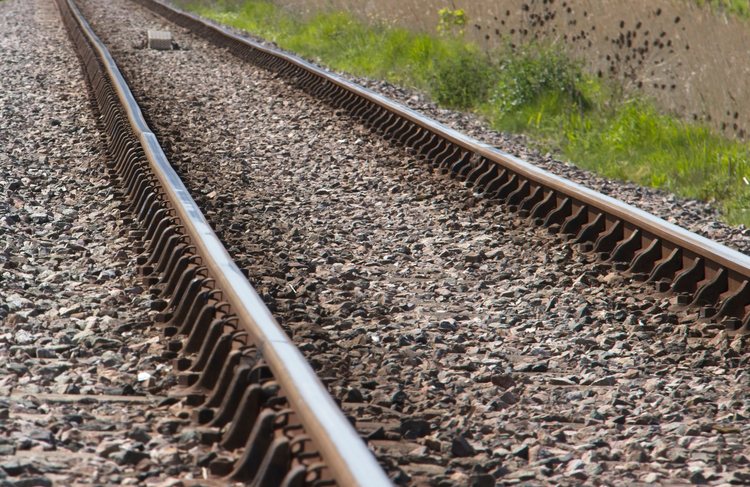
During heatwaves, rails in direct sunlight can be up to 20°C hotter than the air temperature. Because of this, steel rails expand and can start to curve, in a process known as ‘buckling’. High temperatures can also cause overhead lines to sag and infrastructure to fail.
Most of the network in the UK can operate when tracks reach up to 46°C, roughly equivalent to an air temperature of 30°C. However, rails have been recorded at temperatures as high as 51C.
In the June heatwaves, trains were suspended after a rail buckled in Leamington Spa in extreme temperatures.
Already amid this week’s heatwave, rail services in London have been affected.