
From bulk cooking to air drying your laundry, here are the top five ways you can save money on energy in UK households
By
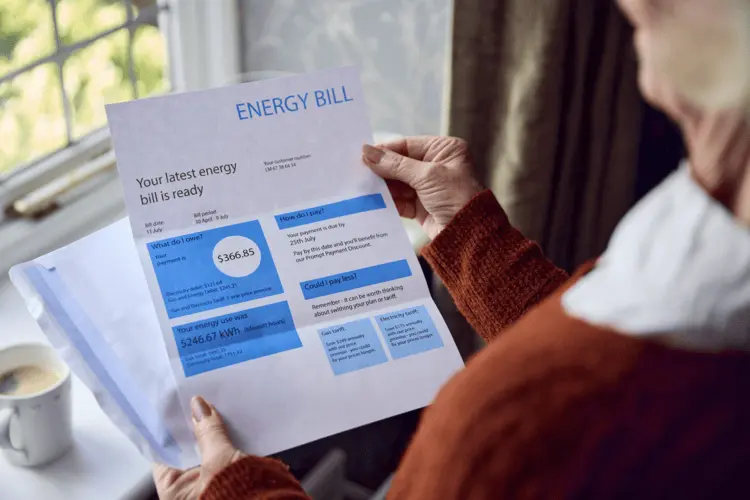
In the UK, energy bills are rising. According to one consultancy, household energy bills could go up by £332 in July, a forecast reflecting the surge in oil and gas prices due to the Iranian conflict.
Previously, the UK Government has intervened when energy prices have skyrocketed. Back in 2022 – following Russia’s invasion of Ukraine – the Government provided a £35billion package of support that applied to every bill payer. Chancellor Rachel Reeves has said that support would be provided again to protect poorer households in the recent price spike.
But what else can households do to help mitigate such increases? Read on to find five ways you can reduce your energy bills…
1) Install draught proofing
Britain’s households are notoriously energy inefficient, coming out as some of the least insulated in Europe. Consequently, draught proofing is a great way to minimise energy costs in your home. Draught proofing involves blocking unwanted gaps such as those around windows and doors, where cold can otherwise creep in.
By blocking these gaps in your home up, you’ll use less energy to heat rooms in cooler times of the year. Getting professional draught proofing in your home can save around £85 in Great Britain, and £80 in Northern Ireland per year. You can also choose to DIY draught-proof, using items such as excluders and keeping internal doors closed on cold days.
2) Consider ‘off-peak’ times
Some energy suppliers in the UK offer lower prices if you run appliances in off-peak times – a simple switch that can save you sizeable sums of money. For example, British Gas offers ‘PeakSave Sundays’: half price electricity between 11am and 4pm on Sundays.
Off-peak tariffs can be particularly useful for several reasons: if you charge an electric vehicle overnight, have a hot water cylinder that can be heated overnight, run storage heaters overnight to heat your home for the next day, or use your washing machine or dishwasher during off-peak hours.
Washing machines, dishwashers and tumble dryers often use the highest energy when turned on. Avoiding using them during the peak hours of 4pm to 9pm can save you money, but also help the planet. This is because it will reduce strain on the electricity grid, reducing the need to burn fossil fuels in power plants.
3) Air dry your laundry
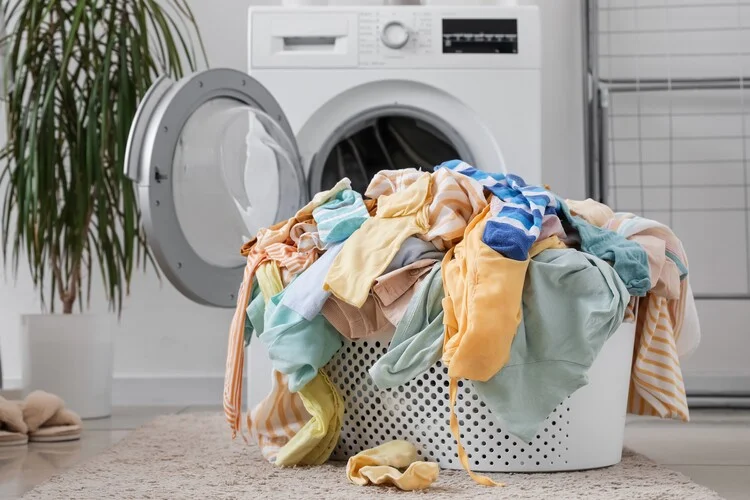
Twelve per cent of household electricity use in the UK is due to washing and drying clothes. You can easily save on your energy bills by limiting the use of tumble dryers, as a single cycle uses up to 4.5 kilowatt hours. By air drying laundry instead, a typical household could save more than £130 per year.
4) Try out bulk cooking
Cooking can represent up to 30 per cent of household energy use. To slash your energy bills, consider bulk cooking meals at the same time. For example, using the oven to bake several loaves of bread rather than leaving it on for just one can be an effective way of utilising energy and saving time during a busy week.
You can also double up on energy-saving by using certain kitchen appliances to bulk cook. For example, an air fryer costs just 14p per day to use – equivalent to £52.74 per year – and has the added benefit of making meals healthier and oil-free. Slow cookers also offer a more cost-effective option to run than ovens, costing 16p per day (£59 per year).
5) Make small home improvements

Sometimes, small changes to your house can make a big difference to cutting energy costs. For example, changing old bulbs to energy-efficient LED lights is a simple switch that can help. In addition, if replacing single-glazed windows is not an option in your home, you can use window film to help keep heat in and save money.
Wrapping up your hot water tank using a ‘hot water cylinder jacket’ is also another quick way you can prevent heat loss, which saves energy.
Finally, if you can turn down your heating by just 1C – from 22C to 21C – you can save around £90 per year.


