
New paper reveals how droughts are leading to surges in illnesses like cholera and West Nile virus around the world
By
Droughts are changing the spread of diseases, leading to surges in illnesses such as cholera and West Nile virus worldwide, a new review paper has revealed.
Published last week in Trends in Ecology & Evolution, the paper shows how drier conditions could make humans and wildlife more vulnerable to certain infectious diseases, even though many parasites and disease-carrying organisms depend on water to survive.
Enjoying this article? Check out our related reads…
‘Climate change isn’t simply making Earth warmer or drier,’ said author of the paper Pieter Johnson. ‘It is making droughts more variable and less predictable. That unpredictability is becoming one of the defining challenges for understanding and managing disease in natural ecosystems.’
Across the last several decades, more than 77 per cent of Earth’s land experienced drier conditions, according to a UN report. Around the world, rising temperatures driven by climate change are making droughts more frequent, intense and widespread – with sizeable impacts on disease spread.
To understand how drought affects disease transmission, the authors of the recent paper synthesised nearly 100 previous studies and identified the main mechanisms through which infectious diseases may respond to drought.
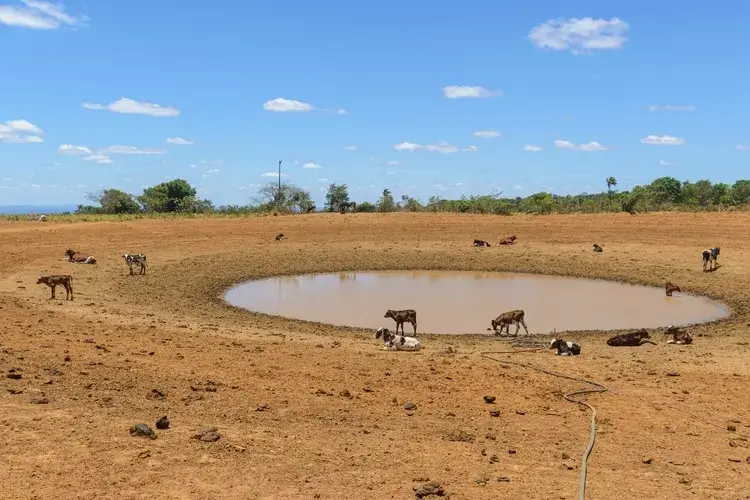
One key pathway for disease spread is as follows: as droughts dry up rivers and ponds, animals are forced to gather around the remaining watering holes and habitats, turning these areas into hotspots for parasite transmission.
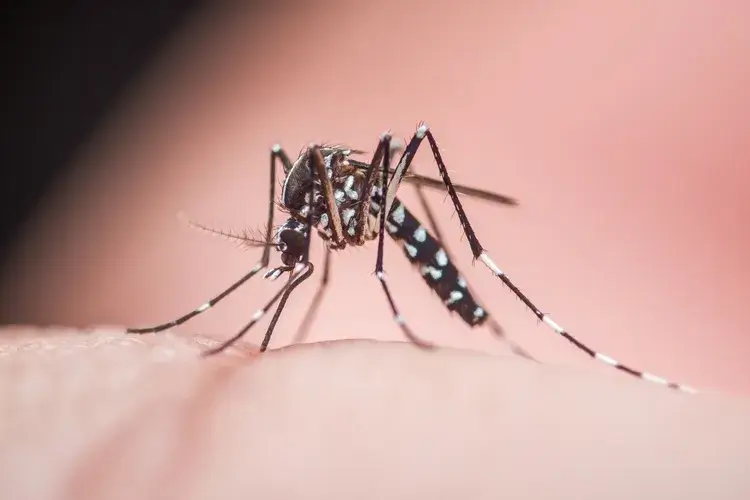
Droughts can also make certain parasites and disease carriers more successful. For example, in North America, mosquito-borne diseases, such as West Nile virus and St. Louis encephalitis virus, have become more prevalent. Partly, this can be explained as decreasing water levels have reduced the aquatic organisms that prey on mosquito larvae. In addition, valley fever, a fungal disease, is transmitted through contaminated dust, which is more abundant during drier periods.
However, researchers stress that not every pathogen benefits from drought. Chytrid fungus, a fatal pathogen that is partially responsible for global amphibian declines, often spreads poorly in dry conditions.
The authors also identified characteristics that may determine the success of particular pathogens. They found that pathogens able to infect many hosts, like avian influenza, are likely to fare better under droughts than those which infect a single species, like measles. Pathogens able to survive outside aquatic environments will also have an advantage.
‘As climate change brings more frequent and extreme droughts, we want to anticipate how disease transmission will change so we can better forecast outbreaks and prepare for them,’ said Johnson.


