More than half of children aged 11 to 14 have never climbed a tree, and nine in 10 have never learned to recognise birds by sight or sound
By
New research has found that children in England may be growing up with fewer everyday experiences of nature – yet their desire to understand and protect nature remains strong.
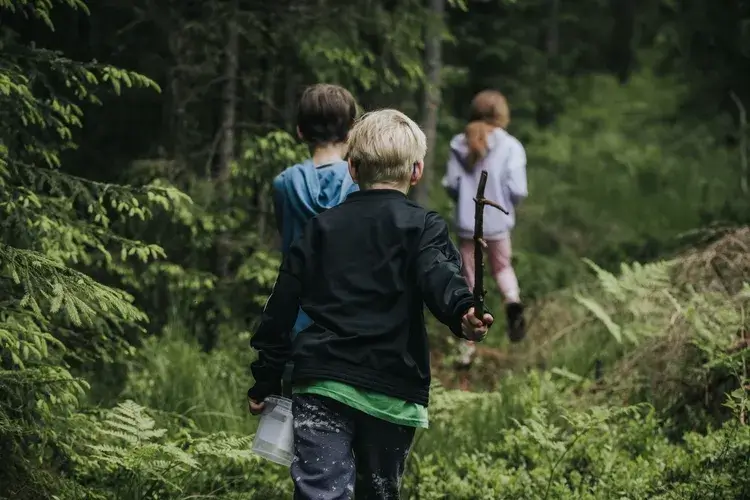
According to the study – which surveyed more than 1,000 children and their parents in England – more than half of children aged 11 to 14 have never climbed a tree. Seven in 10 have never made a daisy chain, and nine in 10 have never learned to recognise birds by sight or sound.
Enjoying this article? Check out our related reads…
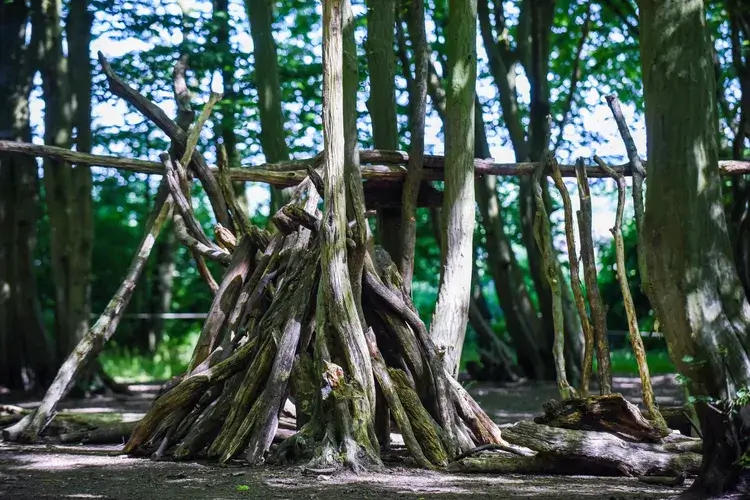
Eighty-five per cent have never caught tadpoles or watched frogspawn develop, while more than three quarters have never built a den from branches and leaves or identified a wildflower, tree, animal, bird or insect.
However, around 75 per cent of children surveyed said they would definitely or probably choose the government’s proposed Natural History GCSE if their school offered it.
‘A generation growing up with so little direct experience of nature is telling us it wants to learn about it. We should listen,’ said co-founder of The Lost Gardens of Heligan – which commissioned the research – Sir Tim Smit.
‘This GCSE could put science into young people’s hands, mud on their boots and confidence in their ability to repair what has been damaged. It must not turn nature into another subject studied at a distance.’
Nine in 10 children saw people as part of nature, and 89 per cent believed people had a major responsibility to protect it. Seven in 10 were worried about extreme weather, such as summer heatwaves, but 58 per cent remained hopeful about the future of nature.
The research also found a clear inclination among children toward hands-on learning and opportunities to experience nature directly.
Six in 10 said they would learn best through a mixture of indoor and outdoor lessons. Trips to beaches, woods, farms or nature reserves were the most popular practical activity (chosen by 53 per cent of respondents), followed by helping to restore a wildlife habitat at 41 per cent.
The new proposed Natural History GCSE would cover plants, animals, habitats and the impact of humans, all supported by sustained fieldwork.
However, The Lost Gardens of Heligan is calling for the GCSE to be renamed ‘Natural Futures’, conveying young people’s power to shape the living world, rather than making the subject seem rooted in the past. The research found 48 per cent of children associated ‘Natural History’ with fossils and dinosaurs. By contrast, 55 per cent associated ‘Natural Futures’ with the future of the planet.
‘Natural History is a worthy name, but it points towards the rear-view mirror. Natural Futures looks through the windscreen,’ said Smit.
‘It tells young people this is not simply the study of what has gone before. It is about understanding the living world they will inherit and recognising the part they can play in helping it thrive.’