Significant moment in international museum collaboration as Brighton & Hove Museums returns 45 cultural artefacts to Botswana
By
Brighton & Hove Museums has announced it will repatriate 45 cultural artefacts from its collection to Serowe, Botswana. Such a move is believed to be the first substantial return from a UK museum to Botswana in response to a repatriation claim.
Back in 2022, Khama III Memorial Museum in Botswana formally requested the return of the artefacts – a collection of clothing, accessories, hunting implements and domestic items — originally acquired in the late nineteenth century from the Gammangwato region of Botswana.
Enjoying this article? Check out our related reads…
Brighton & Hove Museums will return the items and contribute to the development of a new permanent exhibition – opening in May 2026 – in Serowe, where the items will be displayed for the first time.
The Khama III Memorial Museum has been identified as a fitting home for the collection, as it is the closest museum to Old Palapye, where the artefacts were originally acquired.
‘This repatriation represents an important step in reconnecting these artefacts with the communities, histories and knowledge systems that give them meaning,’ said curator at Brighton & Hove Museums, Portia Tremlett.
‘We are proud to be working in partnership with Khama III Memorial Museum to support their return and to contribute to a future where collections are shaped through collaboration, transparency and shared stewardship.’
The growing trend of repatriation
Repatriating cultural artefacts is an increasingly global trend, with many museums across the world returning items to their countries of origin.
For example, the Horniman Museum in London transferred ownership of 72 items to Nigeria in 2022, while Germany returned more than 20 items to Nigeria and promised thousands more. Oxford returned the remains of 18 Indigenous people to Australia back in 2023, while the Netherlands has repatriated nearly 500 looted objects to Sri Lanka and Indonesia.
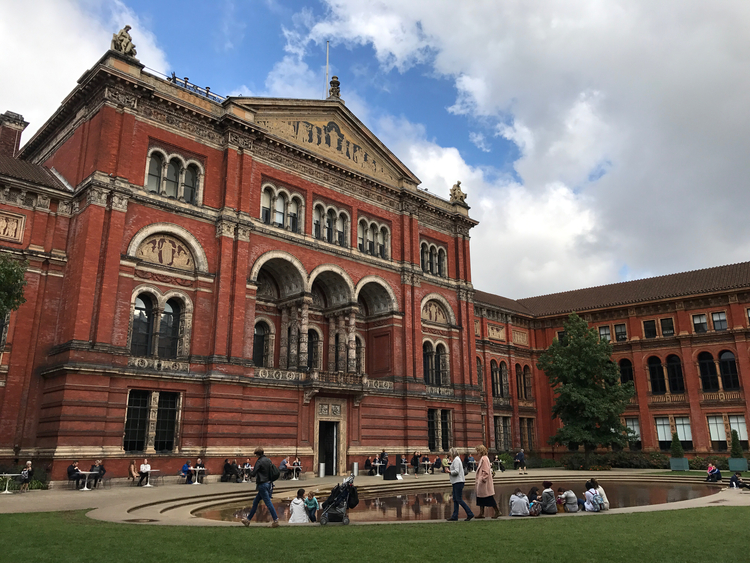
However, in the UK, some raise concerns that regional museums are far ahead of this trend than national institutions. Part of this issue stems from The British Museum Act of 1963 – legislation that states the British Museum cannot dispose of its holdings. The National Heritage Act of 1983 also prevents trustees of institutions, including the V&A, Science Museum and others, from deaccessioning objects unless they are duplicates or beyond repair.
Regional museums aren’t bound by these same laws, allowing them the opportunity to return items back to regions of origin.
But some national museums are finding ways around such laws. For example, the V&A announced it was returning the Head of Eros – a life-sized marble carving dating back to the 3rd-century AD – to Turkiyë. The return is essentially a long-term loan, rather than an unconditional return.