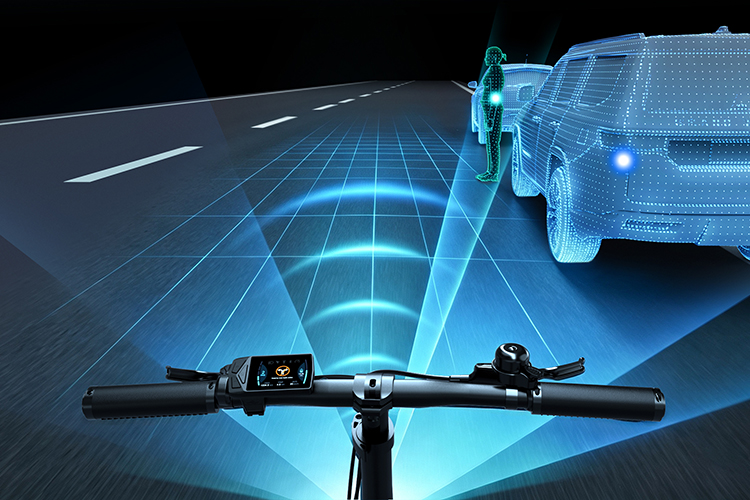
Cars have spent years using advanced sensors to navigate complex traffic. Now, a new generation of e-bikes is finally getting the same upgrade
Sponsored post
Over the past decade, the automotive industry has been quietly transformed by advanced sensory tech that gives vehicles the ability to read the road.
Today’s top cars pack dozens of sensors to map the road in real-time. Instead of leaving everything to the driver, they scan for hazards long before they turn into emergencies. Today, a vehicle’s performance isn’t just about horsepower or battery range – it is about how well it reads the road.
City streets have changed, but e-bikes have not
Across Europe, e-bikes have become one of the fastest-growing forms of urban mobility. Governments continue investing in infrastructure, while millions of commuters choose electric bicycles for cleaner transportation. At the same time, however, the urban environment has grown significantly more complex.
Cyclists now share road space with cars, buses, delivery riders, e-scooters, and pedestrians, all moving at different speeds and often behaving unpredictably. Blind intersections, temporary roadworks, and poor visibility during rain or night riding are everyday realities. Despite these changes, e-bike riders are still missing out on the kind of environmental awareness that many drivers now take for granted.
Manufacturers have spent years improving batteries, motors, and weight. While these updates make riding easier, they do not change how riders deal with unpredictable traffic. Every decision still comes down to what the rider can see and how fast they can react.
The next evolution of e-bikes
ADO, a pioneer in smart e-bike technology, is shifting the focus of urban mobility beyond basic motor assistance.
‘We believe the next generation of e-bikes should not only assist riders electrically, but also with genuine environmental awareness,’ says Mr Sen, Founder of ADO E-Bike.
This belief has led to the development of ADO Sense 3.0, a LiDAR-based perception technology designed specifically for electric bicycles.
At the core of the system are multiple sensing technologies working together:
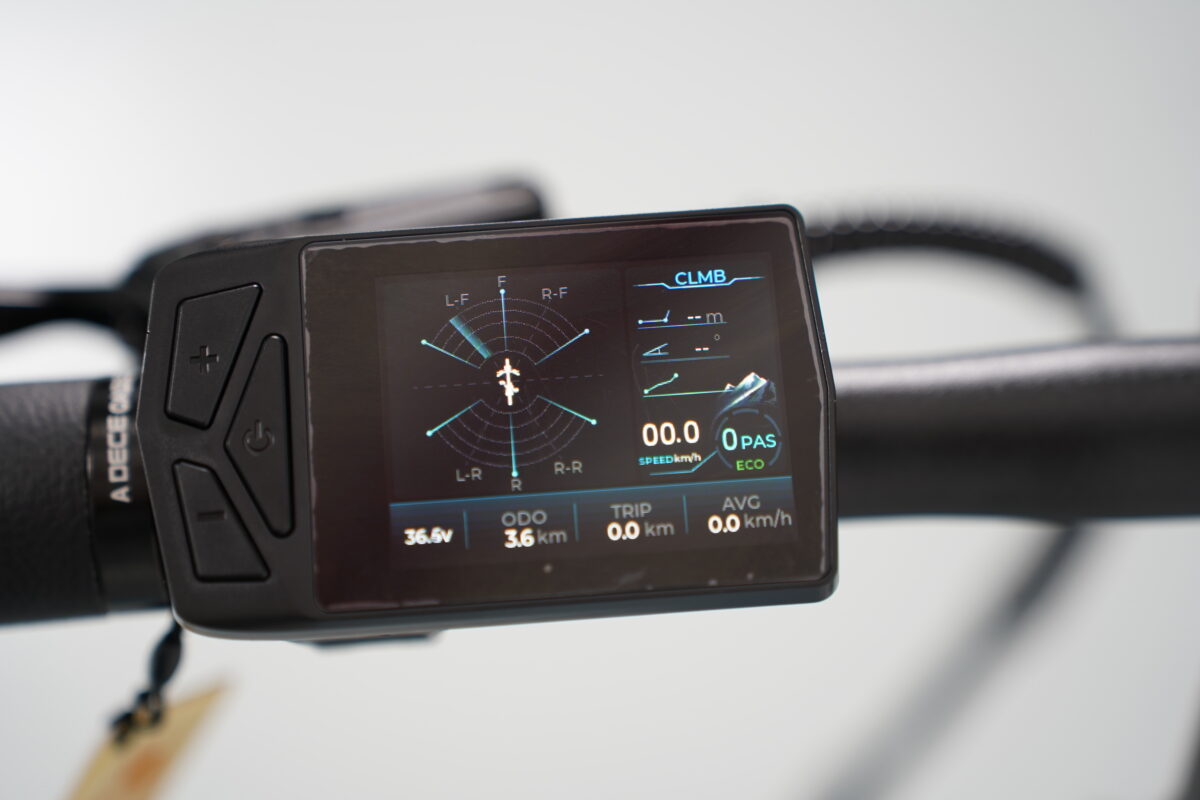
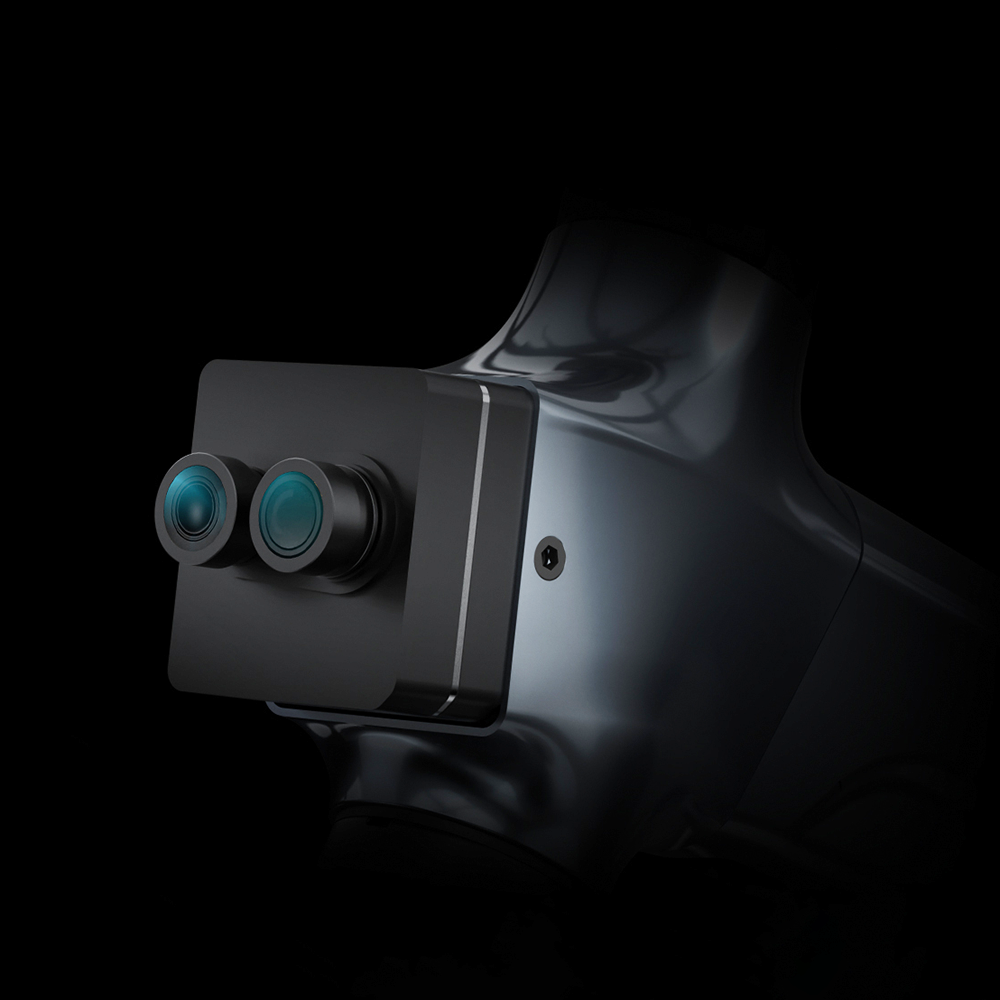
- Forward LiDAR: Continuously scans the road ahead using high-precision 3D point cloud mapping to gauge distance, direction, and changes ahead.
- Rear Millimetre-Wave Radar: Extends awareness beyond the natural field of vision, helping detect approaching objects from behind that traditional mirrors or visual checks may miss.
- High-Precision Gyroscope: Monitors vehicle movement and riding dynamics to create a complete understanding of the riding situation.

Just as electric assistance transformed cycling over the past decade, perception assistance may become the next major milestone for the industry. The future of e-bikes is not only about travelling further or faster, it’s about how you read the road.