A new study finds that bee species that nest in plant stems find it harder to adapt to climate change than ground-dwelling species
By
A study assessing heat tolerance in different bee species across Australia has found that bees’ habitats play a major role in how the insects respond to extreme heat.
In total, 95 different species were observed in the study – published in Nature Communications – including a species of stingless bee (Austroplebeia australis).
Enjoying this article? Check out our related reads…
Three main nesting behaviours are found in Australia’s bee population: some nest in burrows in the ground, some in wood cavities such as tree hollows or fallen dead branches, and others in plant stems or existing holes in small twigs.
Making up about 70 per cent of Australia’s native bee population, ground-dwelling bees generally have the lowest heat tolerance. Yet, they are the best equipped to survive extreme heat because they can retreat into the cooler microclimates underground, including different soil layers that naturally absorb and release heat slowly.
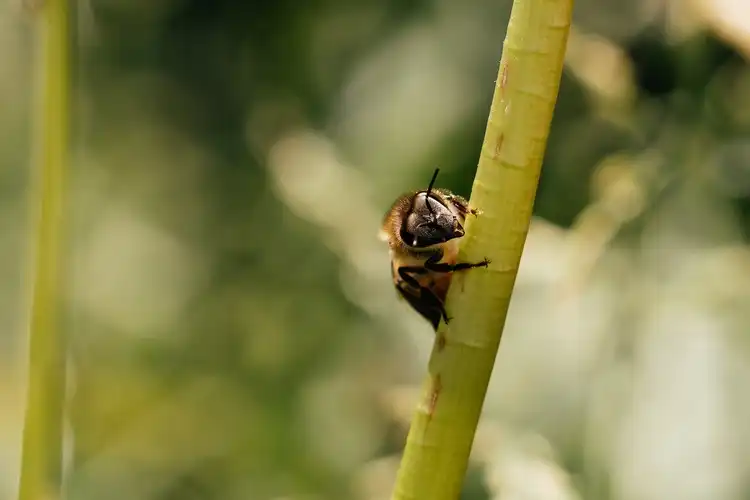
‘Bees that nest underground can hide from extreme heat – as a result, they don’t experience temperatures as high as those that live above ground, particularly species that live in thin plant stems that offer very little insulation from the heat outside,’ says lead author Dr Carmen da Silva.
By contrast, those that live in plant stems such as the stingless bee species Tetragonula may be considered the most heat-tolerant, yet they are actually the most likely to suffer the short-term effects of extreme climate shifts. Plant stems provide little insulation because they are primarily designed for structural support and fluid transport, not heat retention.
For instance, spider flowers and honey myrtle – plants that speckle Australia’s northern tropics and east coast – overheat during heatwaves because of their natural cooling mechanism. When extreme heat hits, the plant tries to conserve moisture, trapping heat and spiking leaf temperatures – posing danger to any bees living inside.
‘This study helps us recognise that having a better understanding of native bee behaviour is key to identifying the greatest threats to their wild populations,’ said co-senior author Dr Ros Gloag.
Globally, how are bee species responding to climate change?
Around the world, bees are facing consequences due to rising temperatures. For example, dead bumblebees on London’s streets are an increasingly visible consequence of rising summer temperatures. Bumblebees are cool-weather creatures, most at home in the world’s cool, damp temperate regions. Visible signs of the climate toll have been found in their physicality – such as asymmetrical wings and shorter lives- according to research conducted by the Natural History Museum. These conditions push many bumblebee species beyond their physiological limits, with the area of hospitable conditions for each species migrating towards the poles.
Yet climate change is shifting more than temperature alone. Earlier springs can disrupt the natural simultaneity between flowering plants and the emergence of queen bumblebees from winter hibernation. Queens then need to find both nectar and pollen as they establish a nest on their own. Reducing the food available to them at this crucial point can have a major effect on survival.
Protecting bees on a small scale requires small actions. For example, people can pollinate their gardens and lawns with wildflowers and embrace shaded spaces to encourage natural cool spots. Ultimately, a global initiative to mitigate climate change is needed to preserve different bee species.