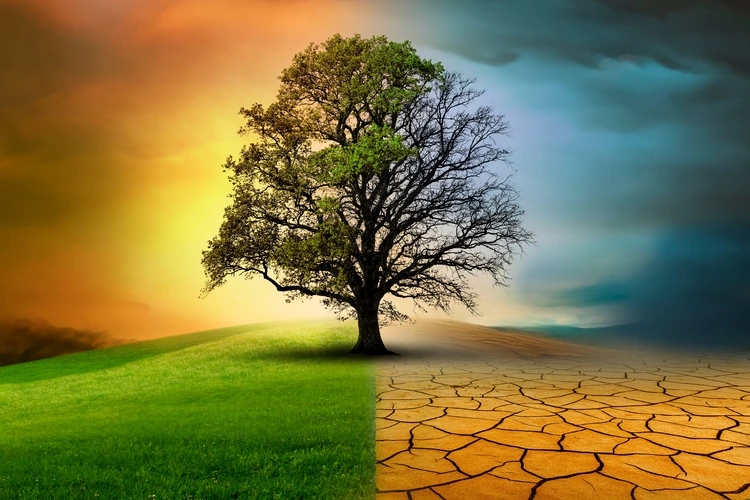
Climate change is more prevalent today than ever, and it’s having a notable impact on our mental health across the world
By
‘Climate change’ – it’s a phrase we constantly hear. Headlines about its disastrous, long-lasting effects have become the norm. However, reports show that climate change is not only damaging our planet, but also our minds. Worry and stress relating to the environment are becoming increasingly common, posing as a significant threat to the UK’s psyche, according to new research.
Extreme weather events in the UK are becoming increasingly common, notably heat and heavy rainfall which leads to flooding. In England alone, 6.3 million properties (homes and businesses) are in areas at risk of flooding. Living in an area where your livelihood is in the balance takes a toll, and experiencing an extreme weather event takes an even bigger toll.
Enjoying this article? Check out our related reads…
A study by the International Journal of Environmental Research and Public Health examined the prevalence of common mental health disorders in the period within 12 months following an extreme weather event. Their findings revealed 19.8 per cent of individuals experienced anxiety, 21.35 per cent experienced depression and 30.36 per cent experienced post traumatic stress disorder (PTSD). Some communities also reported an increase in substance abuse after extreme weather events.
In addition, heat waves and extreme temperatures negatively affect mental health, and living on an increasingly warmer planet doesn’t help. The summer of 2025 was the warmest summer on record in the UK, with a mean temperature of 16.10°C. While a warm summer’s day may seem innocuous, the bigger picture is startling: extreme heat causes psychiatric hospital admissions to rise by 9.7 per cent, and mental health related deaths to increase by 2.2 per cent per 1 °C rise in temperature. Hot weather can disrupt sleep, leaving people fatigued, agitated, and increase symptoms of depression.

However, it’s not just extreme heat that negatively affects people. Hotter days overall are to be expected in the future, and these are also being recognised as a background stressor. Globally, 2024 was the hottest year on record, surpassing the previous record set in 2023. It’s clear that things are not cooling down. Adaptation is vital, in order to take care of not just our bodies, but our minds.
Adults are not the only ones with these worries. The younger generation is facing a multitude of challenges relating to climate change, and we’re already seeing the effects it’s having on their mental health. Climate anxiety and eco-anxiety are on the rise and are particularly affecting young people. A global survey by The Lancet surveyed 10,000 young people, across 10 countries, between the ages of 16-25. 59 per cent said they were very, or extremely worried about climate change, while 84 per cent were at least moderately worried.
More than 50 per cent mentioned having feelings of sadness, anxiety, anger, powerlessness, helplessness, and guilt. 45 per cent said their feelings about climate change ‘negatively affected their daily life and functioning.’ Findings specifically from the UK showed that out of 1,000 children, 50 per cent reported feeling extremely worried about climate change.
Climate change further highlights the inequalities faced by some children in society. Children from communities that have been marginalised because of race or economic status are more likely to be exposed to extreme weather and have anxiety, sleep troubles or PTSD, according to a 2023 report from APA and ecoAmerica.
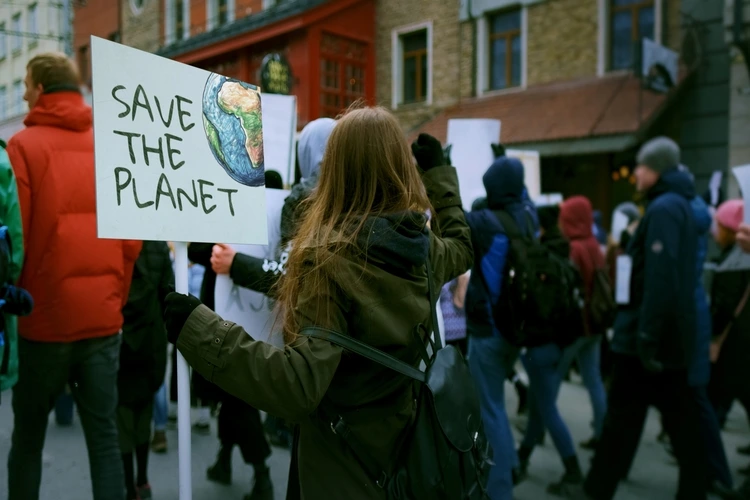
Young people are worried about the planet and the effects of climate change in their lifetime, while simultaneously experiencing feelings of helplessness to make a change. Famous climate change and social activist, Greta Thunberg has spoken about her struggles with depression, at the ages of 11 or 12, which she linked to the climate crisis.
Head of the UKHSA Centre for Climate and Health Security (CCHS), Professor Lea Berrang Ford said: ‘Climate warming will exacerbate mental health inequalities, with impacts greatest on rural and agricultural communities and young people.’ This is also seen through farming communities in the UK, which experience high rates of mental health. Only 55 per cent of farmers feel positive about their mental health, and this figure is likely to decline as climate change gets worse.
A positive spin
Is there any good to come of this? In some cases, this worry and anxiety for the planet can turn into positive action, filling people with the determination to actually make change. When our environment supports us, climate anxiety can give us drive and will instead of feelings of powerlessness. It’s why equipping people with the tools and providing access to make a difference is so important. We should be worried for our planet, but how we handle that worry is the real dilemma.
Studies have found that pro-environmental behaviour correlates with positive well-being. Strengthening support systems, reducing inequality and breaking down barriers for people to take climate friendly action, should be at the forefront of governments and policy makers.