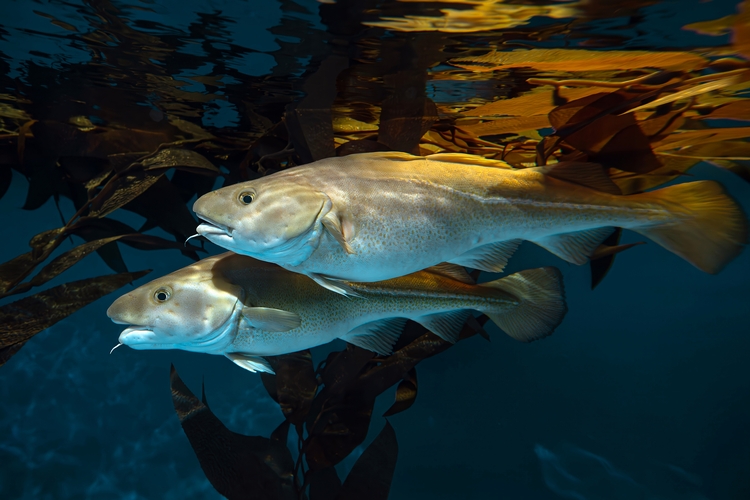
From an influx of octopus to the reduced presence of white fish, discover how UK undersea ecosystems are altering due to climate change
By
While some species decline, others are thriving. This is the case for many ecosystems around the world, but it is especially apparent in UK waters.
Near-coast sea surface temperatures in the UK are on the rise, increasing by nearly 1°C since 1961–1990, with 2024 ranking as the sixth warmest year for ocean heat.
Thanks to climate change, the composition of the UK’s marine environment is altering substantially. And according to a comprehensive study surveying the UK’s watery ecosystems back in June 2025, the key findings are stark.
Most species currently designated as ‘threatened’ or ‘declining’ show increasing habitat suitability toward northern and central North Sea waters across the next 50 years. While this may spell good news for these areas, such northward shifts threaten southern and western waters, which face losing key species as habitats become less suitable.
Enjoying this article? Check out our related reads…
As well as this, there are clear climate ‘winners’ and ‘losers’. Species such as basking sharks, spurdog, thornback ray and undulate ray are expected to gain suitable habitat, while others found on the seabed – such as sea pens – could lose up to 40 per cent of their habitat by the end of the century.
So, which exact species are facing threats? And which are showing signs of resilience under the conditions brought about by climate change?
Warmer seas lead to record octopus numbers

This summer, octopus levels were at their highest levels since 1950 –thanks to warmer winters, a weather pattern linked to climate change.
More than 2,329 tonnes of octopus were caught by fishermen in UK waters in 2025, a significant uptick from 2024, where 135 tonnes were caught.
Currently, it’s unclear whether such a rise in numbers is a permanent trend or instead cyclical, in which case octopus numbers would return to typical levels after 2025’s blooming event.
More bluefin tuna in UK waters

The quantity of bluefin tuna in UK waters has been building across the past decade in south-west England for a plethora of reasons, including warmer waters – thanks to climate change – and better management of their populations. One of the largest and fastest fish in the world, it is an apex predator that maintains balance in the marine environment.
For them to survive in our waters in the long term, they must be protected by sustainable marine management practices. For example, advancing research can help to bridge gaps in understanding about the species’ biology and migratory patterns.
Cod and mackerel moving north
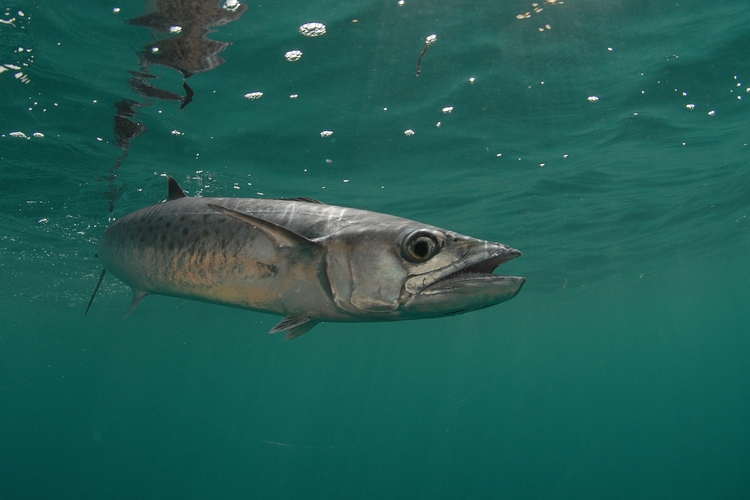
A study conducted by Plymouth Marine Labaratory – in collaboration with scientists from across Europe – revealed how climate change is set to alter both the distribution and abundance of fish in European seas.
Valuable cold-water species like herring, cod and haddock are projected to decline in the North Sea by 10 to 20 per cent under moderate warming scenarios, and by 10 to 80 per cent under high emissions scenarios by 2100. Such projections are set to occur even if they move to where the remaining cool, deep water is.
As fish follow their preferred temperature ranges, it is likely that shifts will occur. In the Northeast Atlantic, for example, most species will migrate northward. Shifts range from just a few kilometres for haddock (three to 25 kilometres) to more than 400 kilometres for herring by 2100.
This poses a significant problem for fishers, who must either travel further to catch them – increasing fuel costs and time at sea – or adapt by targeting different species.
Warming waters also induce metabolic stress in species such as cod, salmon and trout – all of which depend on cold, oxygen-rich waters to survive. These stressors are now possibly limiting their growth rates, maturation ages and maximum size.