
• Skip to main content
  • Skip to secondary menu
  • Skip to primary sidebar
  • Skip to footer
Geographical

Geographical

Official magazine of the Royal Geographical Society (with IBG)

  • Geographical Home
  • News
  • Features
  • Opinion
    • Climatewatch
    • Front Lines
  • Podcast
  • Travel
    • Discovering Britain
    • Passport
  • Culture
    • Book reviews
  • Quizzes
    • Crosswords
  • Choose Geography
    • University directory
    • Masters courses
    • Course guides
      • Climate change
      • Environmental science
      • Human geography
      • Physical geography
    • University pages
      • Aberystwyth University
      • Brunel University
      • Cardiff University
      • University of Chester
      • Edge Hill University
      • The University of Edinburgh
      • Newcastle University
      • Nottingham Trent University
      • Oxford Brookes University
      • The University of Plymouth
      • Queen Mary University of London
    • Geography careers
      • Charity/non-profit
      • Education & research
      • Environment
      • Finance & consulting
      • Government and Local Government
    • Applications and advice
  • Magazine
    • Issue previews
    • Subscribe
    • Manage My Subscription
    • Special Editions
    • Geographical Archive
    • Advertise with us
  • Subscribe
    • Direct Debit Changes

Can e-bikes have a ‘sixth sense’?

22 August 2026
3 minutes

Cars have spent years using advanced sensors to navigate complex traffic. Now, a new generation of e-bikes is finally getting the same upgrade


Sponsored post

Over the past decade, the automotive industry has been quietly transformed by advanced sensory tech that gives vehicles the ability to read the road.

Today’s top cars pack dozens of sensors to map the road in real-time. Instead of leaving everything to the driver, they scan for hazards long before they turn into emergencies. Today, a vehicle’s performance isn’t just about horsepower or battery range – it is about how well it reads the road.

City streets have changed, but e-bikes have not

Across Europe, e-bikes have become one of the fastest-growing forms of urban mobility. Governments continue investing in infrastructure, while millions of commuters choose electric bicycles for cleaner transportation. At the same time, however, the urban environment has grown significantly more complex.

Cyclists now share road space with cars, buses, delivery riders, e-scooters, and pedestrians, all moving at different speeds and often behaving unpredictably. Blind intersections, temporary roadworks, and poor visibility during rain or night riding are everyday realities. Despite these changes, e-bike riders are still missing out on the kind of environmental awareness that many drivers now take for granted.

Manufacturers have spent years improving batteries, motors, and weight. While these updates make riding easier, they do not change how riders deal with unpredictable traffic. Every decision still comes down to what the rider can see and how fast they can react.
The next evolution of e-bikes

ADO, a pioneer in smart e-bike technology, is shifting the focus of urban mobility beyond basic motor assistance.

‘We believe the next generation of e-bikes should not only assist riders electrically, but also with genuine environmental awareness,’ says Mr Sen, Founder of ADO E-Bike.

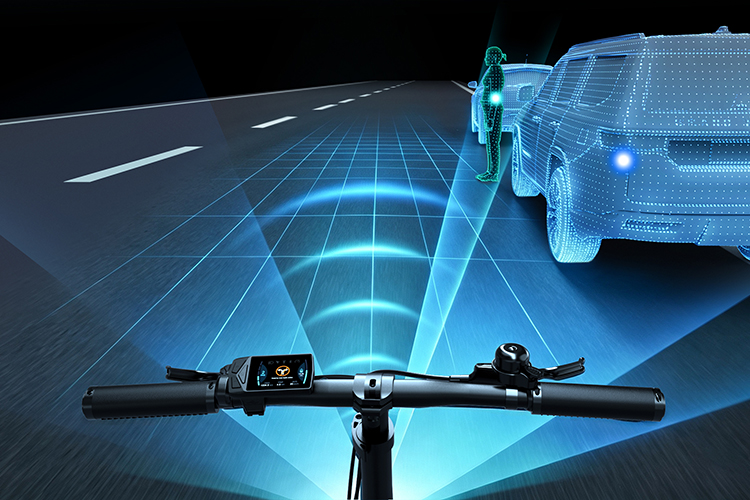
This belief has led to the development of ADO Sense 3.0, a LiDAR-based perception technology designed specifically for electric bicycles.

At the core of the system are multiple sensing technologies working together:

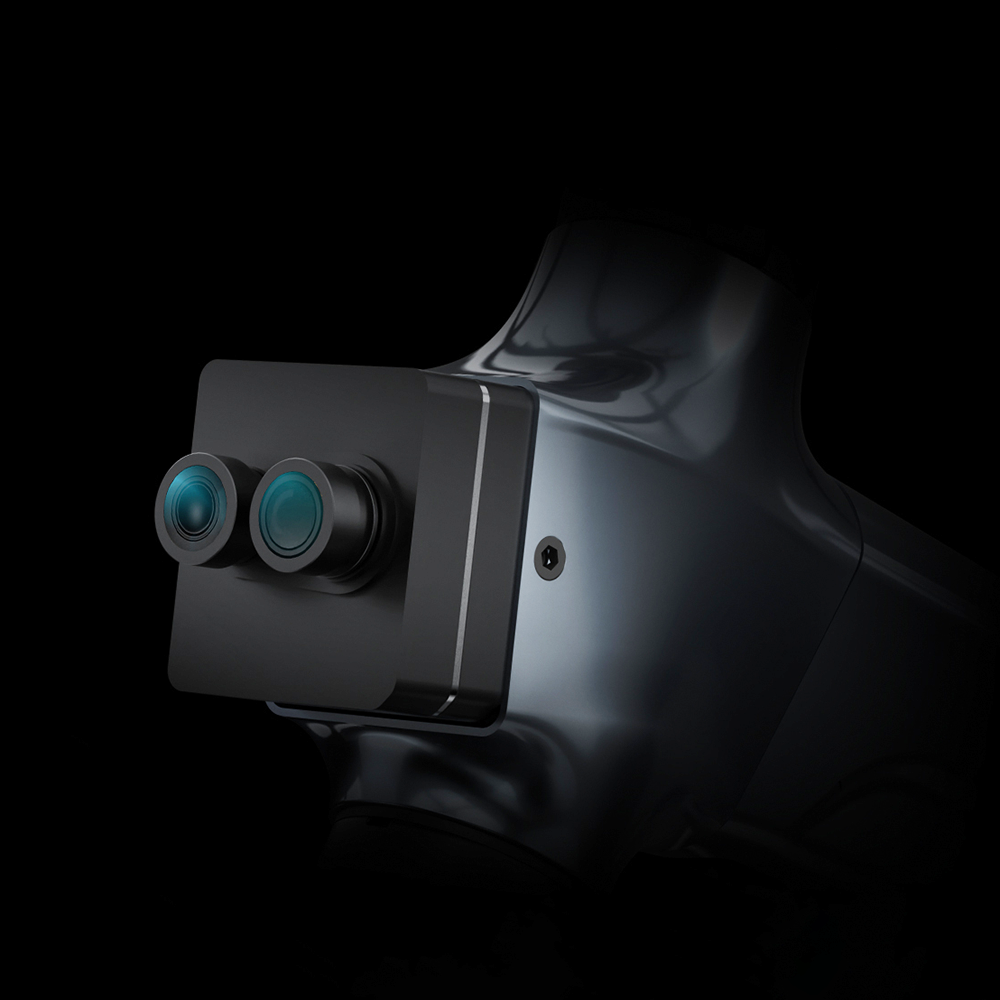
  • Forward LiDAR: Continuously scans the road ahead using high-precision 3D point cloud mapping to gauge distance, direction, and changes ahead.
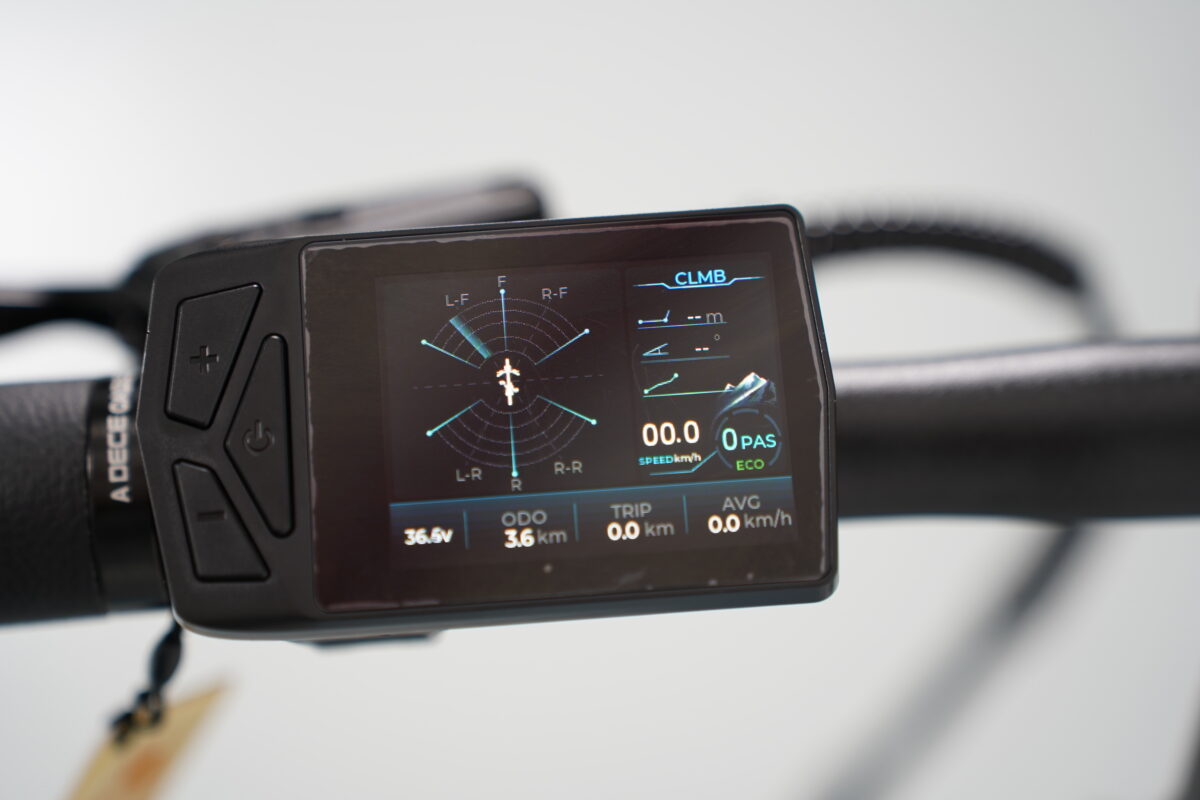
  • Rear Millimetre-Wave Radar: Extends awareness beyond the natural field of vision, helping detect approaching objects from behind that traditional mirrors or visual checks may miss.
  • High-Precision Gyroscope: Monitors vehicle movement and riding dynamics to create a complete understanding of the riding situation.
Just as electric assistance transformed cycling over the past decade, perception assistance may become the next major milestone for the industry. The future of e-bikes is not only about travelling further or faster, it’s about how you read the road.

Discover ADO Sense 3.0

Themes Features

Protected by Copyscape

Primary Sidebar

SUMMER SALE

GEOGRAPHICAL WEEKLY LOGO FREE - Sign up to get context, clarity and perspective in a noisy world, every Friday

Popular Now

September 2026 Geographical crossword

September 2026 Geographical crossword

QUIZ: Country Spotlight – Peru

QUIZ: Country Spotlight – Peru

Surfers riding the tidal bore on the Petitcodiac River in New Brunswick, Canada

Phenomena: tidal bores

Writer's Reads graphic

Writer’s reads: Ayana Elizabeth Johnson

The polar aurora over the Larsemann Hills, Prydz Bay, Antarctica

The world as a laboratory

Footer

  • Facebook
  • Instagram
  • LinkedIn
  • Reddit
  • TikTok
  • Twitter
  • YouTube

Geographical print magazine cover

Published in the UK since 1935, Geographical is the official magazine of the Royal Geographical Society (with IBG).

Informative, authoritative and educational, this site’s content covers a wide range of subject areas, including geography, culture, wildlife and exploration, illustrated with superb photography.

Click Here for SUBSCRIPTION details

Want to access Geographical on your tablet or smartphone? Press the Apple, Android or PC/Mac image below to download the app for your device

Footer Apple Footer Android Footer Mac-PC

More from Geographical

  • Subscriptions
  • Get our Newsletter
  • About Us
  • Contact Us
  • Advertise with us
  • Privacy policy
  • Terms & Conditions

Copyright © 2026 · Site by Syon Media